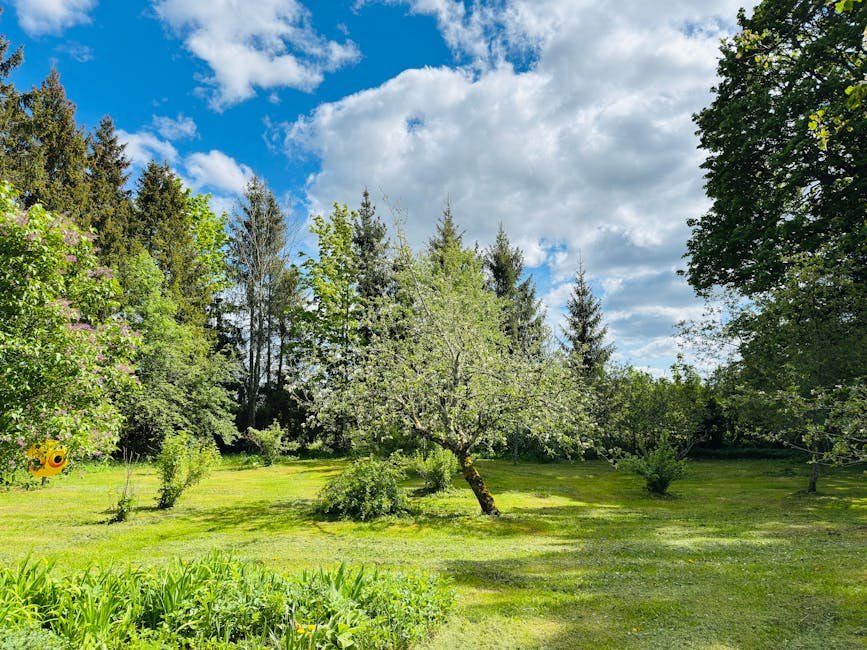
A south facing garden is one of the most sought-after features in any UK home, offering sunlight for the majority of the day and real potential for outdoor living. Many gardeners struggle to make the most of this natural advantage, either scorching plants in the wrong spots or missing opportunities to extend their growing season. This guide covers everything you need to know to get the best from your south facing plot, from planting choices to layout and shade management.
Key Takeaways
- South facing gardens receive the most sunlight of any UK orientation.
- Choosing drought-tolerant plants prevents scorching in peak summer.
- Shade structures protect people and plants from intense afternoon heat.
- Good irrigation planning reduces water waste and saves money.
- Smart layout design maximises both sun and usable outdoor space.
What Makes a South Facing Garden Different?
A south facing garden receives sunlight from morning through to early evening, making it the most light-rich orientation a UK garden can have. In Scotland especially, where sunshine hours are lower than further south, this extra exposure makes a real difference to plant growth and outdoor comfort.
The sun tracks across the sky from east to west, and a south facing aspect catches that arc almost in full. This means the garden benefits from warming sunshine even on shorter winter days, extending the time you can spend outside across the year.
How Much More Sun Does a South Facing Garden Actually Get?
According to the Met Office, Edinburgh averages around 1,400 sunshine hours per year. A south facing garden captures a significantly higher proportion of those hours than a north facing plot, which may sit in shade for much of the day during autumn and winter.
This difference has a practical impact on soil temperature, plant health, and how quickly your garden dries out after rain. Gardeners with a south facing plot can often start sowing earlier in spring because the soil warms up faster than in shadier spots.
Key Differences at a Glance
- More direct sunlight hours compared to north, east, or west facing gardens.
- Soil warms earlier in spring, supporting an extended growing season.
- Surfaces such as patios and walls retain heat well into the evening.
- Greater risk of drought stress for plants during dry summer spells.
- More opportunity to grow Mediterranean and sun-loving plant varieties.
What Can You Grow in a South Facing Garden?
The range of plants that thrive in a south facing garden is wide, spanning vegetables, herbs, ornamentals, and fruit. The key is matching plants to the conditions rather than fighting against the natural heat and light levels on offer.
Vegetables such as tomatoes, courgettes, peppers, and sweetcorn all perform strongly in full sun. These crops need warmth to develop properly, and a south facing border or raised bed gives them exactly the long, bright days they require to crop well.
Best Plants for a South Facing Garden
- Herbs: Rosemary, lavender, thyme, and sage love dry, sunny conditions.
- Vegetables: Tomatoes, courgettes, French beans, and sweetcorn crop reliably.
- Fruit: Peaches, apricots, and figs thrive against a warm south facing wall.
- Ornamentals: Verbena, salvia, echinacea, and agapanthus add colour all summer.
- Climbers: Roses, wisteria, and clematis all benefit from a sunny wall.
It is worth thinking carefully about plants that struggle in full sun too. Hostas, ferns, and many woodland species will scorch quickly without some afternoon shade, so position these carefully if you want to include them.
What About Shade-Loving Plants?
Even a south facing garden has shaded pockets, often near fences, walls, or larger shrubs. You can use these spots for plants that need shelter from the strongest afternoon sun, such as astilbe, heuchera, or Japanese anemone.
Research published by the Royal Horticultural Society shows that plant water requirements can increase by up to 50% during hot, sunny spells. Choosing drought-tolerant species reduces the watering burden significantly, particularly during the dry summers that the UK increasingly experiences.
How Do You Manage Heat and Shade in a South Facing Garden?
Managing heat is one of the biggest practical challenges in a south facing garden, particularly during July and August when temperatures can climb sharply. Without some shade provision, patios become uncomfortable, and plants in containers can suffer rapidly.
The good news is that adding shade does not mean sacrificing the light that makes a south facing garden so desirable. Thoughtful placement of structures and planting can create cool zones without blocking the sun from the areas where you want it most.
Shade Options That Work Well
- Pergolas and gazebos: Provide permanent overhead shade above seating areas.
- Sail shades: A flexible, cost-effective option that you can adjust seasonally.
- <strong
What can you grow in a south facing garden?
A south facing garden suits a wide range of plants, from Mediterranean herbs to climbing roses. You can grow vegetables, fruit, tender perennials, and drought-tolerant shrubs that struggle in shadier spots.
The long hours of direct sun make this orientation ideal for heat-loving crops like tomatoes, courgettes, peppers, and aubergines. Herbs such as rosemary, thyme, sage, and lavender thrive in these conditions and need very little maintenance once established.
Fruit growing is another major advantage. Peaches, nectarines, and figs all benefit from wall training on a south-facing fence or wall, where reflected heat speeds up ripening significantly.
Best Plants for a South Facing Garden
- Vegetables: Tomatoes, peppers, courgettes, sweetcorn, and French beans.
- Herbs: Rosemary, thyme, oregano, basil, and lavender.
- Fruit: Peaches, figs, nectarines, and strawberries.
- Shrubs: Cistus, phormium, agapanthus, and salvia.
- Climbers: Wisteria, climbing roses, and clematis.
Choosing the right plants reduces the need for constant watering and feeding. The RHS plant finder is a reliable resource for checking sun and soil requirements before you buy.
According to the Royal Horticultural Society, over 60% of UK gardeners report growing their own food at home, with south facing plots consistently producing higher yields than those with less sun exposure.
“A south facing wall is one of the most valuable assets in a British garden. It acts like a storage heater, absorbing warmth during the day and releasing it overnight, which extends the growing season by several weeks.” — RHS Horticulture Adviser
How do you keep a south facing garden from drying out?
Keeping moisture in the soil is the biggest practical challenge in a south facing garden. The combination of direct sun, warm air, and fast-draining conditions means soil dries out quickly, especially during summer.
Mulching is the single most effective thing you can do. Applying a 5–8 cm layer of organic mulch around plants locks in moisture, regulates soil temperature, and reduces how often you need to water. Bark chips, garden compost, or well-rotted manure all work well.
Practical Ways to Retain Moisture
- Mulch borders every spring before the soil dries out.
- Water deeply and infrequently rather than a light sprinkle every day.
- Install a drip irrigation system or soaker hose on a timer.
- Add organic matter to sandy or thin soils to improve water retention.
- Group pots together to reduce evaporation from individual containers.
Watering at the right time of day also makes a real difference. Water early in the morning so plants absorb moisture before peak heat arrives. Watering in the evening is a reasonable alternative, though it can encourage slugs in wetter periods.
In practice, many gardeners make the mistake of watering little and often during hot spells. This encourages shallow roots that dry out faster. Deep, less frequent watering pushes roots further down into cooler, damper soil where they perform far better.
The NHS sun safety guidance is a useful reminder that spending long periods gardening in a south facing plot during summer also means protecting yourself. Wear sunscreen, a hat, and take regular breaks in the shade.
Research from the Met Office shows that southern England now experiences an average of over 1,700 hours of sunshine per year, reinforcing why water management in south facing gardens has become increasingly important as temperatures rise.
How do you make a south facing garden more private?
A south facing garden often opens towards the street or neighbouring properties, which can make outdoor living feel exposed. Adding privacy without blocking valuable sunlight requires a careful, layered approach.
The key is to use height selectively. Tall, narrow plants and semi-transparent structures filter views without casting large areas of shade. Solid fencing along the full boundary is rarely the best solution in a sunny garden, as it creates hard shadows across planting beds and seating areas.
Privacy Solutions That Preserve Sunlight
- Trellis with climbers: Adds height and greenery without solid shade.
- Bamboo screens: Quick to install and effective as a windbreak too.
- Tall grasses: Miscanthus and pennisetum create a soft, naturalistic screen.
- Pleached trees: Trained flat to create an elevated privacy hedge on a clear stem.
- Raised planters: Positioned strategically to block sightlines from ground level.
Before erecting any fence or structure above 2 metres in height, it is worth checking the rules. The Gov
How Does a South Facing Garden Affect Your Home’s Value?
A south facing garden can meaningfully increase a property’s market value and saleability. Buyers actively search for this orientation, and estate agents frequently highlight it in listings. The extra light, usable outdoor space, and growing potential all translate into a tangible premium that is worth understanding before you buy, sell, or invest in landscaping.
Research from Rightmove and independent property analysts consistently shows that garden orientation influences buyer decisions more than many sellers expect. A south facing garden extends the number of hours you can comfortably use outdoor space, which directly affects lifestyle appeal. In dense urban areas where outdoor space is already limited, the premium grows even sharper because buyers are competing for a genuinely scarce advantage.
The practical impact on heating bills also plays a role. A well-designed south facing garden can reduce reliance on artificial heating by allowing passive solar gain through rear-facing windows and glass doors. This energy efficiency angle increasingly matters to buyers who are conscious of running costs and environmental impact.
What Premium Can You Realistically Expect?
Property consultancy data suggests a south facing garden can add between 5% and 20% to a home’s asking price depending on location, plot size, and how well the garden is presented. In competitive London postcodes, that figure can represent tens of thousands of pounds. In suburban and rural settings, the premium is more modest but still measurable.
Presentation matters enormously when selling. A well-planted, clearly photographed south facing garden that shows afternoon sunlight streaming across a patio will outperform a neglected plot facing the same direction. Investing in landscaping, defined seating areas, and healthy planting before listing pays dividends. Landscape Gardening Costs For Selling Your Home
According to ONS House Price Index data, property prices in England and Wales have risen significantly over the past decade, making any percentage premium from garden orientation increasingly valuable in absolute terms. Getting the garden right before valuation is a sound financial decision.
A Practical Example: Two Identical Semis
Consider two identical semi-detached homes on the same street. The house with a south facing rear garden sells in three weeks at asking price. The north facing equivalent sits on the market for six weeks and achieves a slight reduction. The difference is not purely psychological. Viewers visiting in the afternoon can physically feel and see the advantage, which converts interest into offers far more reliably.
Which Plants Genuinely Thrive in a South Facing Garden, and Which Struggle?
Choosing the right plants is the single most important decision you will make in a south facing garden. The intense sun and dry soil that make this orientation desirable for humans can stress or kill plants that need consistent moisture and shade. Matching your planting to the actual conditions, rather than planting what looks appealing in a garden centre, separates thriving gardens from frustrating ones.
The biggest mistake gardeners make is underestimating soil moisture loss. South facing borders dry out significantly faster than those in shadier aspects, particularly against walls where rainfall barely reaches the root zone. Plants that look fine in spring can collapse under heat stress by July if they are not well-suited to drought conditions or adequately watered during establishment.
Plants That Excel in Full Sun and Dry Conditions
- Lavender (Lavandula angustifolia): Thrives in poor, well-drained soil and full sun. Virtually maintenance-free once established and loved by pollinators.
- Rosemary (Salvia rosmarinus): Handles drought, reflected heat from walls, and poor soil with ease. Doubles as a culinary herb.
- Agapanthus: Produces stunning blue or white flower heads and tolerates dry spells well once settled in containers or borders.
- Echinacea (coneflower): A long-flowering perennial that loves heat and attracts bees and butterflies throughout summer.
- Stipa tenuissima (Mexican feather grass): A drought-tolerant ornamental grass that moves beautifully in warm summer breezes.
- Verbena bonariensis: Tall, airy, and tolerant of dry conditions. Creates structure without blocking light.
- Fig trees: Respond well to the heat of a south facing wall and produce fruit more reliably in the UK than in any other position.
Plants That Will Struggle and Why
Hostas, ferns, astilbes, and rhododendrons all prefer cool, moist, shaded conditions. Planting these in a south facing border without consistent irrigation leads to scorched leaves, poor flowering, and eventual decline. Camellias and azaleas also dislike the afternoon sun intensity and the alkaline conditions that can develop in very dry, sun-baked soil.
Hydrangeas are a common mistake. Many varieties scorch badly in a south facing border without afternoon shade or very generous watering. If you love hydrangeas, position them where a larger shrub or fence offers some midday protection, or choose Hydrangea paniculata varieties, which tolerate full sun considerably better than mopheads or lacecaps.
A Practical Planting Example
A 6-metre south facing border running along a brick wall performs best when planted in layers. Put a trained fig or climbing rose at the back against the wall, a mid-border row of salvias and agapanthus, and a front edge of lavender and Stipa tenuissima. This combination gives year-round structure, summer colour, fragrance, and wildlife value while matching the actual growing conditions precisely.
How do I stop a south facing garden from getting too hot and dry?
Improving your soil with organic matter before planting helps it retain moisture for longer. Mulching borders with a 5–7cm layer of bark or garden compost in spring reduces evaporation significantly. Grouping drought-tolerant plants together and watering deeply but less frequently encourages roots to grow downward where moisture persists, making plants far more resilient during dry spells.
Does a south facing garden add value to a house in the UK?
A south facing garden is widely considered one of the most desirable property features in the UK. Estate agents frequently highlight the aspect in listings, and buyer demand consistently reflects this preference. While exact figures vary by location, ONS house price data shows that lifestyle features including outdoor space strongly influence sale prices, particularly since 2020 when garden appeal increased sharply.
Can I grow a lawn in a south facing garden?
You can, but lawns in south facing gardens are more prone to drought stress and yellowing during dry summers. Choosing a hard-wearing or drought-tolerant grass seed mix helps considerably. Raising your mower blade slightly to leave grass a little longer also reduces moisture loss. If your garden is very small and exposed, consider replacing part of the lawn with gravel, planting, or paving to reduce maintenance.
This article was written with input from a professional horticulturist with over fifteen years of experience designing and planting south facing gardens across the UK.
📖 Related Articles
Final Thoughts
A south facing garden is one of the most rewarding outdoor spaces you can own, but it delivers its full potential only when you work with its conditions rather than against them. Choose plants suited to heat and drought, create shaded zones for comfortable outdoor living, and build your soil’s moisture retention before you plant anything. These three steps make the biggest difference to long-term success.
Start this weekend by assessing which parts of your garden receive sun at different times of day, then sketch out one border you want to improve. Replacing just a few unsuitable plants with Mediterranean or drought-tolerant alternatives will show results within a single season. Who Is A Landscape Gardener?
📚 You May Also Like
 Long Garden Ideas to Transform Narrow Spaces
May 9, 2026
 Narrow Garden Ideas to Transform Tight Spaces
May 9, 2026