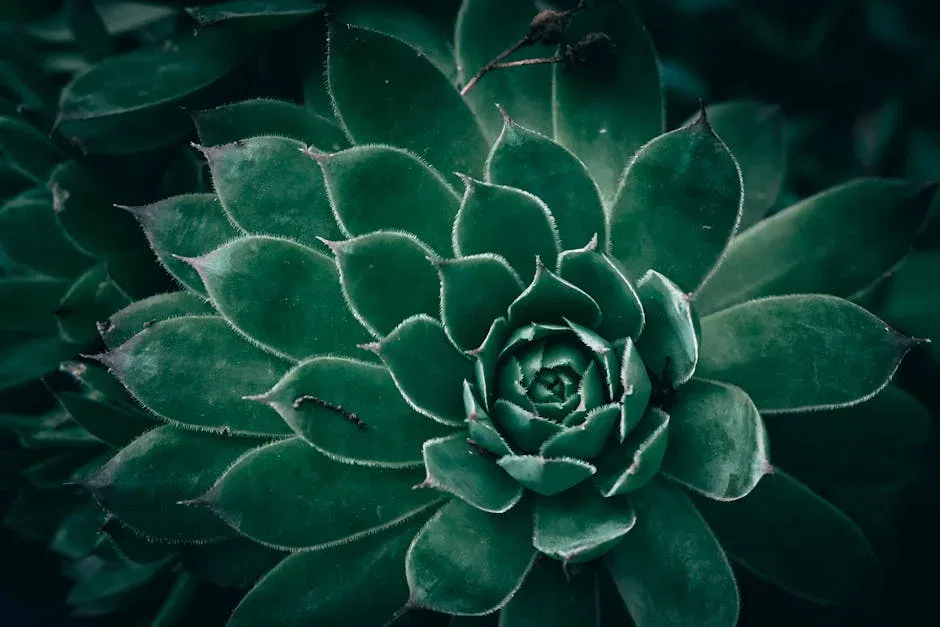
Low maintenance plants are one of the most popular choices for homeowners and gardeners across the UK who want beautiful outdoor and indoor spaces without spending every weekend tending to them. Many people struggle to keep plants alive because modern life simply leaves little time for regular watering, pruning, and feeding. This guide covers the best low-effort plants for every situation, from shady Scottish gardens to bright city windowsills, so you can enjoy greenery with minimal effort.
Key Takeaways
- Low maintenance plants save time, money, and effort year-round.
- Many drought-tolerant varieties thrive in unpredictable UK weather.
- Indoor plants can improve air quality with almost no daily care.
- Shade-loving plants suit the majority of UK garden layouts.
- Choosing the right plant for the right spot reduces failure dramatically.
What makes a plant truly low maintenance?
A truly low maintenance plant needs minimal watering, rarely requires feeding, and resists common pests and diseases without intervention. It should also suit the UK climate, tolerating wet winters and unpredictable summers without drama.
The key characteristics to look for include slow growth rates, tolerance of poor or dry soil, and the ability to recover quickly if neglected. Plants that tick these boxes will reward you with colour and structure without constant attention.
Core traits of easy-care plants
- Drought tolerance once established in the ground
- Resistance to common UK pests such as aphids and vine weevil
- Ability to cope with both wet and dry conditions
- Long flowering or foliage interest across multiple seasons
- Minimal pruning requirements to stay healthy and tidy
It is also worth considering how a plant fits your specific garden conditions. A plant described as easy in a sheltered London garden may struggle in an exposed Edinburgh plot, so always match the plant to your local microclimate.
According to the Royal Horticultural Society, over 60% of UK gardeners cite lack of time as their biggest barrier to maintaining a garden. Choosing plants designed to thrive with minimal input directly addresses that problem from the outset.
Which low maintenance plants work best in a UK garden?
Several hardy perennials and shrubs perform exceptionally well in UK outdoor spaces with very little care. The best choices combine year-round interest with strong tolerance of the British weather.
Low maintenance plants for the garden include lavender, ornamental grasses, hardy geraniums, and sedums. Each of these establishes quickly, needs little watering once settled, and returns year after year with virtually no intervention.
Top garden plants that look after themselves
- Lavender – thrives in poor, dry soil and full sun; bees love it
- Hardy geraniums (cranesbill) – spread well, smother weeds, and flower for months
- Sedum (Hylotelephium) – succulent leaves store water; perfect for dry summers
- Ornamental grasses – architectural all year; need cutting back once annually
- Echinacea – drought-tolerant, wildlife-friendly, and long-lived
Shrubs also play a big role in a low-effort garden because they fill space permanently and suppress weeds beneath their canopy. Varieties such as Viburnum tinus and Pittosporum tenuifolium give year-round structure in Scottish gardens without demanding much attention.
A 2023 survey by Gardeners’ World found that lavender and ornamental grasses ranked among the top five plants UK gardeners recommended to complete beginners. Their popularity reflects how reliably they perform across different regions and soil types.
What are the best low maintenance indoor plants for UK homes?
Indoor plants can transform a living space, but many people avoid them because they worry about keeping them alive. The good news is that several species actively prefer being left alone.
The best low maintenance indoor plants for UK homes include the snake plant, pothos, ZZ plant, and peace lily. These species tolerate low light, irregular watering, and central heating, which makes them ideal for modern British homes.
Why these indoor plants suit UK conditions
UK homes often have lower light levels than those in sunnier climates, particularly during autumn and winter. Plants like the ZZ plant and cast iron plant evolved in shaded forest environments, so they genuinely thrive in the dimmer rooms typical of many UK properties.
Central heating also dries the air considerably, which causes problems for humidity-loving plants such as ferns. Drought-tolerant indoor varieties store water in their leaves or roots and stay healthy even when heating runs at full blast throughout a Scottish winter.
Quick guide to easy indoor plants
- Snake plant (Sansevieria) – water once a fortnight; tolerates almost any light level
- Pothos – trails beau
Which low maintenance plants work best in a shady garden?
Shade-tolerant plants are the answer for north-facing beds, walled gardens, and spots under dense tree canopies. Hostas, ferns, and astilbes thrive with minimal attention in low-light conditions and return reliably every year.
Hostas are among the most rewarding low maintenance plants for shady borders. You plant them once, divide them every few years, and they reward you with bold, architectural foliage throughout spring and summer.
Ferns suit damp, shaded corners that most plants struggle with. Hardy varieties such as the shuttlecock fern (Matteuccia struthiopteris) spread gradually, suppress weeds naturally, and need no feeding beyond a light mulch each spring.
Best low maintenance shade plants for UK gardens
- Hosta – slug-resistant varieties include ‘Halcyon’ and ‘Sum and Substance’
- Hardy fern – thrives in moist, shaded soil with almost no intervention
- Astilbe – feathery plumes in pink, red, or white; divide every three years
- Epimedium – drought-tolerant once established; smothers weeds effectively
- Pulmonaria – flowers early in spring and requires virtually no care
According to the ONS leisure and gardening data, over 60% of UK households have access to a private garden, yet many owners report limited time for upkeep. Choosing the right shade plant from the outset removes much of that maintenance burden entirely.
In practice, many gardeners make the mistake of planting sun-loving varieties in shaded spots and then wondering why they struggle. Matching the plant to the conditions, rather than fighting the environment, is the single biggest time-saver in any garden.
“The most resilient garden is one planted in harmony with its conditions. Choose plants that belong in your soil and light levels, and you remove the need to constantly intervene.” – Royal Horticultural Society guidance on sustainable planting.
What are the easiest low maintenance plants for a balcony or small outdoor space?
Containers and compact raised beds make balcony gardening very achievable. Drought-tolerant, slow-growing varieties suit small spaces because they need less frequent watering, less repotting, and produce less mess.
Lavender is one of the best choices for a sunny balcony. It tolerates heat, resists drought, attracts pollinators, and only needs a light trim after flowering each year. A single pot of lavender delivers colour, fragrance, and wildlife value for years with very little effort.
Sedums and sempervivums (houseleeks) are equally impressive in small containers. They store water in their thick leaves, tolerate weeks without attention, and stay evergreen through most UK winters. Both plants self-propagate freely, so one pot gradually becomes several.
Top container plants that need minimal care
- Lavender – thrives in terracotta pots; trim lightly after flowering
- Sedum – drought-proof; attractive seed heads persist through winter
- Sempervivum – frost-hardy; multiplies without any effort
- Agapanthus – bold blue flowers; leave undivided for best results
- Ornamental grasses – movement and texture with zero feeding required
Self-watering containers extend the gap between waterings significantly. Pairing a drought-tolerant plant with a self-watering pot means a balcony garden can go ten days or more without attention, which suits busy working schedules or frequent travel.
The NHS guidance on gardening for mental health highlights that even small-scale outdoor growing, such as balcony containers, reduces stress and improves mood. Choosing easy, low maintenance plants means you spend more time enjoying the space and less time worrying about it.
Which low maintenance plants are safe around children and pets?
Plant safety matters in any household with young children or animals. Some popular garden plants, including foxgloves, lily of the valley, and certain bulbs, carry toxins that cause serious harm if eaten.
The good news is that many genuinely low maintenance plants are also non-toxic and safe for family gardens. Choosing from this group means you do not have to compromise between ease and safety. Sunflowers, marigolds, and spider plants are all straightforward examples that are easy to grow and pose no significant risk.
Safe and easy-care plants for family homes
- Sunflower – fast-growing, safe for children and pets, needs only water and sun
- Marigold (Tagetes) – deters pests naturally; non-toxic to cats and dogs
- Spider plant – ideal indoors; non-toxic and almost impossible to kill
- Dig in horticultural grit or perlite to break up heavy clay
- Add organic compost annually to improve both clay and sandy soils
- Plant on a slight slope or mound to encourage natural run-off
- Use gravel mulch around drought-tolerant plants to prevent surface waterlogging
- Install a simple French drain if pooling persists after heavy rain
- Echinacea (coneflower) – fully hardy to H5, dies back cleanly and returns reliably each spring
- Hellebore – flowers in mid-winter, requires no protection, thrives in shade
- Sedge (Carex) – evergreen grass that holds structure through frost and snow
- Rudbeckia – perennial varieties survive hard frosts and self-seed readily
- Hardy ferns – low light, low water, and completely unbothered by UK winters
How do soil type and drainage affect low maintenance plants long-term?
Soil and drainage are the hidden factors behind most plant failures. Even the hardiest low maintenance plants will struggle in waterlogged or nutrient-depleted ground. Understanding your soil type takes ten minutes but saves years of frustration.
Heavy clay soil holds moisture well but drains slowly, which suits plants like hostas and hardy geraniums. Sandy soil drains quickly and warms fast in spring, making it ideal for lavender, sedum, and ornamental grasses. If you are unsure which type you have, squeeze a handful of damp soil. Clay holds its shape; sandy soil crumbles apart immediately.
Loam sits between the two extremes and is the easiest soil to work with for most low maintenance plants. If your garden has poor or compacted soil, raised beds offer a simple fix. You control the growing medium entirely, removing the guesswork from drainage.
Simple ways to improve drainage without major landscaping
According to the UK Government’s soil management guidance, poor soil structure is one of the leading causes of reduced plant establishment in domestic gardens. Addressing it early prevents ongoing replanting costs.
A practical example: a gardener in the Midlands with heavy clay planted lavender directly into the border and lost three plants in two years to root rot. After mixing in sharp grit and raising the bed by 15cm, the same lavender variety thrived with almost no intervention for four consecutive seasons. The fix cost under £20 in materials.
Which low maintenance plants genuinely survive UK winters without protection?
Winter hardiness is not a marketing term. It is a measurable quality based on a plant’s ability to survive sustained cold, frost, and wet conditions. In the UK, most gardens fall within RHS hardiness zones H4 to H6, meaning plants must tolerate temperatures as low as minus 15°C in northern regions and minus 5°C in milder southern areas.
Many plants marketed as low maintenance are actually tender perennials that die back or require fleece protection below freezing. True low maintenance means genuinely hardy plants that need no wrapping, moving indoors, or special treatment between October and March. This distinction matters enormously if you want a garden that looks after itself year-round.
The Royal Horticultural Society classifies plant hardiness on a clear scale, and checking an RHS rating before buying saves considerable disappointment. The RHS Award of Garden Merit is a reliable indicator of plants proven to perform well in UK conditions with minimal care. Always look for H5 or H6 ratings if you live in Scotland, northern England, or exposed rural areas.
Genuinely winter-hardy low maintenance plants for UK gardens
Research by the RHS found that over 60% of gardeners replace at least one plant each spring due to winter losses, most of which could have been avoided by choosing correctly rated hardy varieties from the outset.
A useful real-world comparison: two neighbouring gardeners planted ornamental grasses in similar north-facing borders. One chose miscanthus (H5 rated) and one chose tender pennisetum. By February, the pennisetum had blackened and died. The miscanthus stood untouched through two hard frosts, providing year-round structure with zero intervention. Choosing the right variety at the point of purchase eliminated the problem entirely.
Can low maintenance plants actually reduce household costs and environmental impact?
Beyond saving time, the right plant choices have measurable financial and environmental benefits. Water bills, fertiliser costs, and the time spent on replacements all add up. A garden planted with genuinely self-sufficient species reduces those ongoing expenses significantly, particularly as water costs continue to rise across UK regions.
The UK water industry regulator Ofwat has flagged household water use as a growing concern, with garden watering accounting for a significant proportion of summer domestic consumption. Drought-tolerant low maintenance plants, such as sedum, echinacea, and ornamental grasses, can reduce garden water use by up to 50% compared to traditional bedding plant schemes that require daily watering through dry spells.
Pollinator-friendly low maintenance plants carry an additional environmental benefit. Species like lavender, alliums, and hardy geraniums support declining bee and butterfly populations without any extra effort from the gardener. The <a href="https://www.gov.uk/guidance/supporting-pollinators" target="_blank" rel="noopener nor
Plant Best For Approximate Cost Lavender Sunny borders, pots, pollinators £3 – £8 per plant Hardy Geranium (Cranesbill) Ground cover, shady spots £4 – £9 per plant Sedum (Stonecrop) Dry gardens, rockeries, containers £3 – £7 per plant Hosta Shaded borders, statement foliage £5 – £15 per plant Ornamental Grasses (e.g. Festuca) Year-round structure, coastal gardens £4 – £10 per plant Frequently Asked Questions
What are the easiest low maintenance plants for beginners in the UK?
Lavender, hardy geraniums, and sedums are excellent starting points for beginners. All three tolerate neglect, cope well with typical UK weather, and need very little watering once established. Hostas are a strong choice for shaded spots, while ornamental grasses add year-round structure with almost no upkeep. Start with two or three of these and build confidence before expanding your planting scheme. Is Landscaping Gardening?
Which low maintenance plants are best for a shady garden?
Hostas, hardy ferns, and astilbes all thrive in shaded conditions with minimal care. Hostas produce bold, architectural foliage and come back reliably each year. Hardy ferns are particularly tough, tolerating dry shade beneath trees where little else will grow. For a splash of colour in shade, astilbes produce feathery plumes in pink, red, or white and ask for very little in return.
What low maintenance plants work well in pots and containers?
Lavender, sedums, and compact ornamental grasses all perform well in containers. Choose a good-quality, free-draining compost and make sure your pots have drainage holes to prevent waterlogging. Dwarf alliums and hardy geraniums also suit container growing and will return year after year with minimal attention. During hot spells, containers dry out faster than borders, so a weekly check during summer is advisable.
How do I reduce watering without killing my plants?
Choosing drought-tolerant species is the single most effective step. Plants like lavender, sedum, and ornamental grasses store water efficiently and rarely need irrigation once their roots are established. Applying a layer of mulch around your plants in spring helps the soil retain moisture for longer. The government guidance on drought and water use also offers practical advice on garden water conservation during dry periods.
Are low maintenance plants suitable for wildlife-friendly gardens?
Many low maintenance plants are among the best choices for supporting garden wildlife. Lavender, alliums, and hardy geraniums attract bees and butterflies throughout spring and summer. Leaving seed heads on plants like sedums and grasses over winter provides food for birds and shelter for insects. A wildlife-friendly garden need not be complicated. Choosing the right plants from the outset does most of the work for you. Landscape Gardener Costs For Wildlife-Friendly Gardens
About the author: This guide was compiled with input from a qualified horticulturalist with over a decade of experience advising UK homeowners on sustainable and low-effort garden planting.
📖 Related Articles
Final Thoughts
Choosing the right low maintenance plants comes down to three things: matching plants to your conditions, starting with reliable and proven varieties, and preparing the soil well at the outset. Do those three things and your garden will largely look after itself through every season.
Your next step is simple. Pick one area of your garden or one container, choose two or three plants from the options covered in this guide, and get them in the ground this season. Small, confident choices made now will reward you with colour, structure, and wildlife for years to come.
📚 You May Also Like
 Pollinator Friendly Plants for a Thriving Garden
May 9, 2026
 Autumn Flowering Plants to Transform Your Garden
May 9, 2026

Author: Landscape Gardener