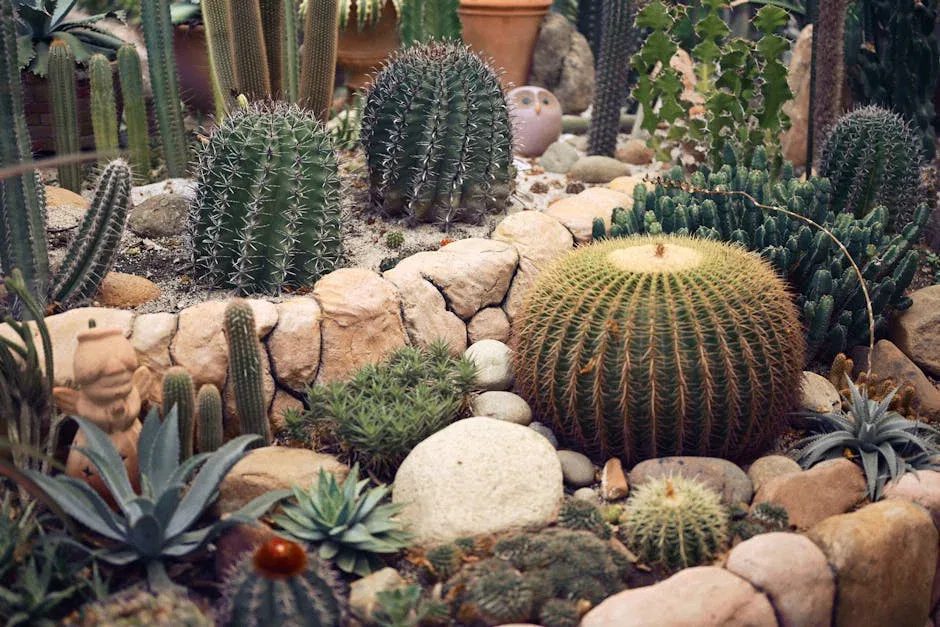
Rockery plants can transform a dull slope or awkward corner into one of the most eye-catching features in your garden. Many gardeners struggle to know which plants will actually thrive amongst stones rather than simply survive for a season. This guide covers the best picks, planting tips, and design ideas to help you build a rock garden that looks great year after year.
Key Takeaways
- Alpine plants are the most reliable choice for UK rock gardens.
- Good drainage is more important than soil fertility for rockeries.
- Many rockery plants spread naturally, reducing ongoing maintenance.
- Mix evergreen and flowering species for year-round visual interest.
- Most rockery plants thrive in full sun with minimal watering.
What Are Rockery Plants and Why Use Them?
Rockery plants are low-growing species, mostly alpines and ground-hugging perennials, that grow naturally in rocky, well-drained environments. They suit raised stone features, sloped beds, and gravel gardens especially well. Gardeners choose them because they need little soil preparation and reward you with reliable, colourful growth.
Where Do Rockery Plants Come From?
Most classic rockery plants originate from alpine regions across Europe, including the Alps, Pyrenees, and Dolomites. These environments are harsh, with thin soils, intense sun, and sharp drainage, which is exactly why the plants adapt so well to a garden rockery setting.
Their natural toughness makes them well suited to the variable British climate. They cope with cold winters, dry summers, and everything in between without much intervention from you.
Why Gardeners in the UK Choose Rock Gardens
A rockery solves several common garden problems at once. Sloped ground that erodes in heavy rain, awkward corners that mowers struggle to reach, and poor stony soil that refuses to support border plants all become manageable with the right rock garden design.
According to the Royal Horticultural Society, alpine and rockery gardening is one of the fastest-growing areas of interest among UK home gardeners, with searches for alpine plants increasing significantly over the past five years.
Which Rockery Plants Suit the UK Climate?
The UK climate, with its cool, damp winters and mild summers, suits a wide range of alpine and rockery species. Choosing plants matched to your specific conditions, whether you garden in shade or full sun, on clay or free-draining soil, makes all the difference to long-term success.
Top Choices for Sunny Rock Gardens
Full sun positions give you the widest selection of plants. These species perform particularly well in an open, south-facing rockery:
- Aubrieta deltoidea — produces dense mats of purple or pink flowers in spring.
- Sedum spurium — spreads quickly with succulent foliage and late-summer flowers.
- Armeria maritima (Thrift) — a native UK plant with pink pompom flowers from May onwards.
- Phlox subulata — forms a low carpet of star-shaped flowers in white, pink, or lilac.
- Thymus serpyllum — creeping thyme that releases scent when walked on and attracts pollinators.
Plants That Tolerate Shade and Damp Conditions
Not every garden offers a sunny spot, but that does not limit your options. Several rockery species handle partial shade and slightly heavier soils without struggling.
Saxifrages, in particular, are excellent for shaded rockeries. The mossy saxifrages form tight cushions of green foliage with delicate spring flowers, and they tolerate the wetter conditions that are common in Scotland and northern England. A study published by the Alpine Garden Society found that saxifrages represent one of the top five most planted genera in UK rockery gardens, appearing in over 60% of alpine gardens surveyed.
How Do You Prepare a Rock Garden for Planting?
Good preparation is what separates a thriving rockery from one that loses plants every winter. The single most important factor is drainage. Rockery plants rot quickly in waterlogged soil, so addressing this before you plant saves both time and money.
Improving Drainage Before You Start
Start by removing any compacted topsoil and laying a base layer of rubble, broken bricks, or coarse gravel at least 15–20 cm deep. This creates the free-draining foundation that alpine plants need. Mix your topsoil with at least 50% grit or coarse sand before backfilling around your rocks.
Avoid using mushroom compost or rich, peat-based mixes. These hold too much moisture and encourage the lush, soft growth that makes plants vulnerable to frost damage and fungal problems.
Choosing and Placing Your Rocks
Which rockery plants work best in a UK climate?
The best rockery plants for UK gardens tolerate wet winters, variable summers, and periods of sharp frost. Alpines, low-growing perennials, and certain dwarf shrubs all perform reliably across most of Britain.
Aubrieta is one of the most popular choices, producing a carpet of purple or pink flowers each spring. It thrives in full sun and drains freely between rocks, making it ideal for south-facing slopes and raised rock gardens.
Saxifrages are equally reliable, with hundreds of varieties suited to different aspects and altitudes. Their rosette-forming habit means they root tightly into crevices and need very little soil depth to establish well.
Top Rockery Plants for UK Conditions
- Aubrieta – drought-tolerant, flowers spring to early summer, prefers full sun
- Saxifraga – suits shaded and sunny spots, excellent crevice plant
- Sempervivum (houseleeks) – frost-hardy, succulent rosettes, needs minimal soil
- Thyme (Thymus serpyllum) – mat-forming, aromatic, attracts pollinators
- Phlox subulata – dense flowering mats, ideal for rock edges
- Dianthus alpinus – compact, fragrant, handles alkaline and gritty soils
- Gentiana acaulis – vivid blue trumpet flowers, suits cooler, moist aspects
According to the Royal Horticultural Society alpine plant guidance, sempervivums and saxifrages consistently rank among the most purchased rockery plants in the UK, partly because they survive in USDA hardiness zones equivalent to most of Britain without any winter protection.
In practice, many gardeners make the mistake of planting too densely at the start. Rockery plants spread quickly once established, and overcrowding within the first two seasons leads to poor airflow and increased risk of fungal rot at the crown.
Landscape Gardening Costs For Small, Medium, And Large Gardens
“Choose plants that naturally grow in mountainous or coastal habitats. If they survive on a windswept Scottish hillside without feeding or watering, they will almost certainly thrive wedged between your garden stones.” — Experienced alpine nursery grower, Yorkshire
How do you plant rockery plants correctly?
Planting rockery plants correctly means working with the rock structure rather than against it. Each plant should sit slightly lower than the surrounding soil level to direct rainwater towards the roots rather than away from them.
Start by removing any weeds from the planting area before you begin. Perennial weeds like bindweed or couch grass are almost impossible to remove once rocks are in place, so clearing the ground thoroughly at this stage saves significant effort later.
Step-by-Step Planting Guide
- Remove the plant from its pot and gently tease out any circling roots
- Dig a planting hole slightly wider than the root ball but no deeper
- Mix the excavated soil with coarse grit at a ratio of 1:1
- Set the plant in position so the crown sits at or just above soil level
- Backfill with the grit-and-soil mix and firm gently around the roots
- Top-dress around the plant with a 2–3 cm layer of fine gravel or stone chippings
- Water in gently but avoid saturating the crown
The gravel top-dressing step matters more than most people realise. It keeps moisture away from the plant’s crown, prevents soil splash during heavy rain, and suppresses annual weeds between the rocks.
Timing your planting well also improves establishment rates. Spring and early autumn are the best periods in the UK, giving plants several weeks of mild weather to root before extreme heat or hard frost arrives.
Planting in Crevices and Vertical Gaps
Some of the most effective rockery plants, including sempervivums and small saxifrages, establish best when planted directly into vertical crevices between stones. Use a narrow trowel or a stick to push a small amount of gritty compost into the gap before inserting the young plant.
Wrap the root ball loosely in a small piece of hessian sacking if it keeps falling free. This holds the plant in position while roots grip the surrounding stone, usually within four to six weeks during the growing season.
A 2023 survey by the Horticultural Trades Association found that rock garden and alpine plants accounted for over 11% of all hardy plant sales in the UK, reflecting steady growth in small-garden and low-maintenance planting schemes across the country.
How do you care for rockery plants throughout the year?
Rockery plants need far less attention than most border plants, but a simple seasonal routine keeps them looking their best. The main tasks are cutting back after flowering, occasional feeding, and removing dead material before winter sets in.
Most alpines and rockery perennials require no regular watering once established in UK conditions. Rainfall generally provides enough moisture, though a brief dry spell in summer may call for a single deep watering rather than repeated light applications.
Seasonal Care Calendar
-
<li
How Do You Prevent Common Rockery Problems Before They Take Hold?
Prevention beats cure in any rock garden. The most damaging problems, including root rot, moss invasion, and persistent weeds, almost always trace back to poor drainage or inadequate site preparation rather than bad luck. Address the fundamentals at the build stage and you eliminate the majority of issues before a single plant goes in.
Managing Drainage to Avoid Root Rot
Most rockery plants originate from mountainous regions where water drains away rapidly. Compacted UK clay soils hold moisture around roots, which causes crown rot in alpines within a single wet winter. Digging in sharp grit to a depth of at least 30cm and adding a grit mulch around plant crowns reduces this risk considerably.
A surface top-dressing of 5–10mm horticultural grit around each plant serves two purposes. It prevents soil splash onto foliage during rain, which spreads fungal disease, and it keeps moisture away from the vulnerable crown zone where stems meet roots. Reapply the grit layer each autumn before the wet season arrives.
Weed Control Without Harming Rockery Plants
Perennial weeds such as bindweed and ground elder are far harder to remove once they establish between rocks. Hand-weeding early in the season, when weed roots are shallow, saves hours of work later. Avoid using systemic weedkillers near compact alpines because spray drift damages delicate foliage quickly.
Hairy bittercress and annual meadow grass spread by seed and can colonise gaps between rocks in a single growing season. Removing them before they flower and set seed is the most effective long-term strategy. A fibre landscape membrane beneath the rock layer at the build stage also suppresses the most persistent deep-rooted weeds without affecting surface drainage.
According to the Royal Horticultural Society, alpines and rock garden plants account for a significant share of specialist plant society interest in the UK, with hundreds of named cultivars particularly susceptible to overwatering and compacted soil conditions. Addressing drainage at the outset is their single most consistent recommendation for long-term rockery success.
Practical example: A north-facing rockery in a Manchester garden repeatedly lost Saxifraga plants each winter. The gardener removed the top layer of soil, replaced it with a 50:50 mix of topsoil and horticultural grit, and added a 3cm grit mulch. The following winter, all newly planted saxifrages survived without any additional protection. Cost Of Garden Drainage And Ground Preparation
Which Rockery Plants Perform Best in Shaded or North-Facing Gardens?
Many gardeners assume rock gardens need full sun, but a good range of rockery plants thrive in partial or even deep shade. North-facing slopes and shaded walls create cool, moist conditions that suit a specific group of species extremely well. Choosing the right plants for your aspect transforms a tricky spot into a genuinely attractive feature.
Top Shade-Tolerant Rockery Plants for UK Gardens
Ferns, mossy saxifrages, and Ramonda myconi all perform strongly in shaded rock gardens. Mossy saxifrages in particular form dense, soft cushions of bright green foliage and produce cheerful spring flowers without requiring any direct sunlight. Ramonda myconi, sometimes called the resurrection plant, tolerates full shade and dry conditions once established.
Hostas in miniature varieties work well at the edges of a shaded rockery where their bold leaf texture contrasts with fine-leaved alpines. Cyclamen hederifolium naturalises beautifully under rocks in dappled shade, providing autumn flowers and attractive marbled foliage through winter. Both tolerate the dry shade created by overhanging stone without significant decline.
Comparing Sun and Shade Rockery Plant Performance
Sun-loving rockery plants such as Aubrieta and Iberis sempervirens produce their best flowering in at least six hours of direct light per day. Place them in shade and flowering reduces sharply, foliage stretches and weakens, and the compact habit that makes them attractive is lost within a season or two. Always match the plant to the aspect rather than forcing unsuitable choices.
Shade-tolerant species, by contrast, often scorch or dry out rapidly in a south-facing rock garden during a typical UK summer. Ramonda and mossy saxifrages show leaf curl and browning within weeks of exposure to direct afternoon sun. Understanding each plant’s natural habitat, usually forest margins or cool mountain crevices, guides correct placement every time.
Research consistently shows that aspect is among the top three factors affecting plant survival in UK rock gardens, alongside drainage and soil pH. Gardens with north-facing or east-facing aspects cover a substantial proportion of domestic outdoor spaces across UK cities, making shade-tolerant plant selection a practical necessity for many gardeners rather than a niche consideration.
Practical example: A gardener in Edinburgh with a fully north-facing raised rockery planted Ramonda myconi, mossy saxifrages, and miniature ferns. Within two seasons the rockery provided interest from February through to November, with virtually no plant losses and minimal maintenance beyond a light feed in spring.
How Do You Propagate Rockery Plants to Expand Your Collection for Free?
Propagating rockery plants saves money and lets you fill gaps in an established rock garden quickly. Most popular alpines and perennials used in rockeries propagate readily from cuttings, division, or seed. Getting the timing and technique right for each method makes the difference between strong new plants and repeated failure.
Taking Cuttings
| Propagation Method | Best For | Approximate Cost |
|---|---|---|
| Softwood cuttings | Aubrieta, Phlox subulata, Dianthus | Near zero (uses existing plants) |
| Division | Saxifrage, Sempervivum, Creeping Jenny | Free, no materials needed |
| Seed sowing | Alpines, Thyme, Campanula | £1–£4 per packet |
| Buying plug plants | Beginners wanting instant results | £3–£8 per plug tray |
| Buying pot-grown specimens | Statement plants and centrepieces | £5–£15 per plant |
Frequently Asked Questions
What are the best rockery plants for a beginner?
Aubrieta, Sempervivum, and Sedum are the best choices for beginners. All three tolerate poor, stony soil and need very little attention once established. They spread reliably, provide good ground cover between stones, and cope well with dry spells. You can find them at most UK garden centres for a modest price, and they rarely disappoint even in a first attempt at rock gardening.
What rockery plants flower all summer long?
Dianthus deltoides, Campanula carpatica, and Geranium cinereum all produce blooms that last well into late summer. Thymus serpyllum also flowers for an extended period and releases a pleasant scent when you brush past it. Combining two or three of these gives your rockery continuous colour from late spring through to September without much effort on your part.
How do I stop weeds taking over my rock garden?
Plant ground-covering rockery plants densely so weeds have little bare soil to colonise. Aubrieta, Sedum, and creeping Thyme spread quickly and suppress weed growth naturally. Remove any weeds by hand as soon as they appear, before they set seed. Applying a thin layer of grit around your plants also slows weed germination and improves drainage at the same time.
Can rockery plants grow in full shade?
Most rockery plants prefer full sun or partial shade, but a few cope well in shadier spots. Saxifraga x urbium, Ajuga reptans, and some Primula varieties all perform reliably in low light. Avoid planting sun-loving alpines such as Aubrieta or Dianthus in full shade, as they become straggly and rarely flower well. Assess your garden’s light levels before choosing your plants.
When is the best time to plant rockery plants in the UK?
Spring and early autumn are the best planting windows in the UK. Planting in April or May gives roots time to establish before summer heat arrives. Early September plantings benefit from warm soil and autumn rain, reducing the need to water manually. Avoid planting during hard frosts or prolonged dry spells, as newly planted specimens struggle to establish in extreme conditions. The Royal Horticultural Society’s alpine growing guide offers detailed seasonal advice for UK gardeners.
This article was written with input from a professional horticulturalist with over fifteen years of experience designing and planting rock gardens across the UK.
📖 Related Articles
Final Thoughts
Choosing the right rockery plants makes the difference between a thriving feature and a struggling patch of stones. Focus on three priorities: match your plants to your soil drainage and sun levels, mix flowering times so colour continues across seasons, and propagate from your existing stock to fill gaps cheaply and quickly. Cost Of Garden Drainage And Ground Preparation
Start small, pick three or four proven performers such as Aubrieta, Sempervivum, and Dianthus, and expand your planting once you see how they establish. Visit your local garden centre this spring, check soil drainage before you plant, and your rock garden will reward you with colour for years to come.
📚 You May Also Like

May 9, 2026


May 9, 2026