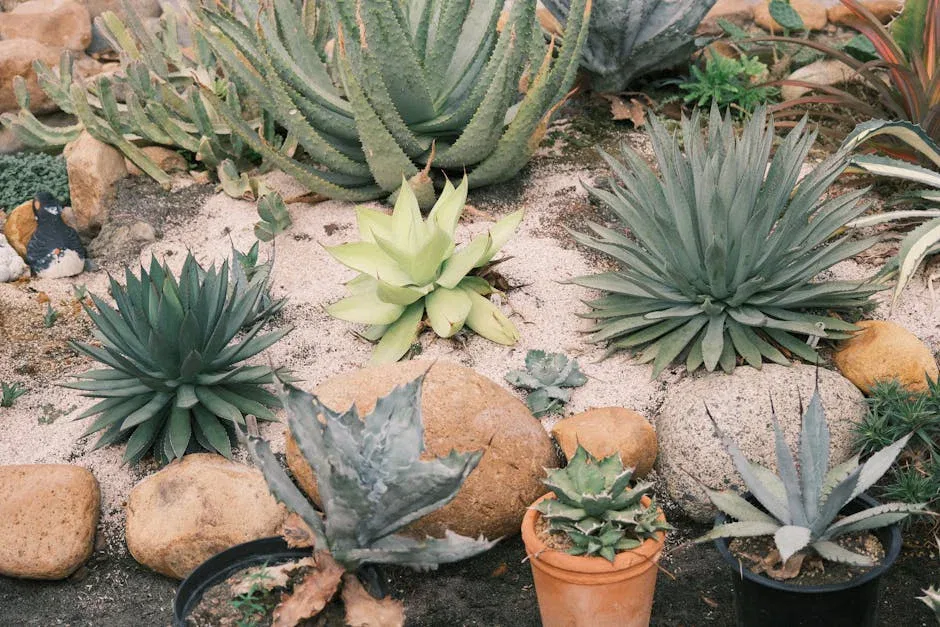
Border plants can transform an ordinary garden edge into a structured, colourful display that draws the eye and defines your outdoor space. Many gardeners struggle to choose plants that suit their soil, climate, and garden style without ending up with a patchy, uneven result. This guide covers the best picks for every garden type, from formal designs to relaxed cottage styles, so you can plan your borders with confidence.
Key Takeaways
- Border plants define garden edges and add structure to outdoor spaces.
- Climate and soil type should guide your plant selection from the start.
- Scottish and northern gardens benefit from hardy, wind-tolerant varieties.
- Mixing perennials and shrubs gives borders colour across multiple seasons.
- Low-maintenance choices reduce workload without sacrificing visual impact.
What are border plants and why do they matter?
Border plants are the plants you position along the edges of beds, paths, lawns, or fences to create definition, structure, and visual interest in a garden. They range from low-growing ground cover to tall flowering perennials, and they work together to give a border depth and character. Choosing the right mix makes the difference between a garden that looks considered and one that feels incomplete.
A well-planted border does more than look attractive. It suppresses weeds, supports pollinators, and can even improve soil health over time when you include the right species. According to the Royal Horticultural Society, over 60% of UK gardeners cite “lack of planning” as the main reason their borders fail to perform as expected.
What a Good Border Actually Does
- Frames lawns, paths, and patios with clear visual edges.
- Provides habitat and food for bees, butterflies, and other pollinators.
- Reduces bare soil, which limits weed germination.
- Creates seasonal interest when you layer plants by height and flowering time.
- Adds colour, texture, and scent throughout the growing season.
Many gardeners underestimate how much a border influences the overall feel of a garden. Even a narrow strip of well-chosen plants along a fence can make a small Edinburgh garden feel twice as generous.
Planning Before You Plant
Before you buy a single plant, take note of where the light falls throughout the day and how well your soil drains after heavy rain. These two factors alone will narrow your choices considerably and save you from replacing plants that simply are not suited to the spot. A little observation at the start prevents a lot of disappointment later.
Which border plants work best in a Scottish or northern garden?
Gardening in Scotland and the north of England means planning around cooler summers, higher rainfall, and the occasional late frost. Not every plant sold in a garden centre will survive these conditions, so selecting hardy, resilient varieties is a sensible starting point. The good news is that many beautiful plants actively thrive in a cooler, wetter climate.
Perennials such as Geranium ‘Rozanne’, Astrantia, and Persicaria handle Scottish conditions well and return reliably each year. Ornamental grasses like Molinia caerulea add movement and texture without needing much intervention. Research from the James Hutton Institute in Scotland found that gardens planted with native and near-native species showed significantly higher pollinator activity compared to those planted with purely exotic varieties.
Hardy Border Favourites for Cooler Climates
- Geranium ‘Rozanne’: long-flowering, tolerates part shade, and spreads well.
- Astrantia major: cottage-style blooms that thrive in damp, fertile soil.
- Helenium: bold late-summer colour and excellent for pollinators.
- Molinia caerulea: elegant grass with autumn gold tones.
- Persicaria amplexicaulis: reliable, long-blooming, and unfazed by wet conditions.
Wind exposure is a real challenge for many northern gardens, particularly in elevated Edinburgh suburbs and coastal areas. Planting a low hedge or using taller, structural shrubs at the back of a border can shelter smaller plants in front. This layered approach also creates the depth that makes a border look professionally designed.
Avoiding Common Mistakes in Northern Borders
Avoid plants labelled “half-hardy” or “tender perennial” unless you can bring them indoors over winter. These labels are a reliable signal that a plant will not survive a Scottish frost without protection. Sticking to plants rated H4 or above on the RHS hardiness scale gives you the best chance of success in a northern garden.
How do you choose border plants for your soil type?
Soil type shapes every decision you make about border planting, because even the toughest plant will struggle if the soil does not suit it. Before selecting any plants, carry out a simple soil test to find out whether you have clay, sandy
How do you choose border plants for your soil type?
Soil type shapes every decision you make about border planting, because even the toughest plant will struggle if the soil does not suit it. Before selecting any plants, carry out a simple soil test to find out whether you have clay, sandy, loamy, or chalky ground. Home testing kits cost as little as £5 from most garden centres.
Clay soil holds moisture well but can become waterlogged in winter, which causes root rot in many popular border plants. Good choices for clay include astilbe, hardy geraniums, and hostas, all of which tolerate heavy, damp conditions without complaint.
Best Border Plants for Sandy and Chalky Soil
Sandy soil drains quickly and dries out fast, so you need drought-tolerant border plants that thrive in lean conditions. Lavender, echinacea, and verbascum all perform brilliantly in free-draining, sandy beds. They also attract pollinators, which adds wildlife value to your garden.
Chalky soil sits at the more alkaline end of the pH scale, and this rules out acid-loving plants such as rhododendrons and camellias. Instead, choose scabious, salvia, and buddleja for chalky borders. These plants actively prefer alkaline conditions and reward you with long seasons of colour.
- Clay soil: astilbe, hosta, ligularia, helenium
- Sandy soil: lavender, echinacea, sedum, verbascum
- Chalky soil: scabious, salvia, buddleja, clematis
- Loamy soil: most border plants thrive, including roses and delphiniums
According to Royal Horticultural Society soil guidance, approximately 30% of UK gardens contain heavy clay soil, making drainage improvement one of the most common challenges British gardeners face. Adding horticultural grit or well-rotted compost each autumn significantly improves structure over time.
In practice, one of the most common mistakes gardeners make is buying border plants based on appearance alone, without checking the soil pH label on the pot. A plant that looks perfect in the nursery can fail within a single season if the soil chemistry does not match its needs. Cheapest Landscaping Improvements That Boost Kerb Appeal
Which border plants work best in shady gardens?
Shade does not mean you have to sacrifice colour or interest in your borders. Many beautiful border plants actually prefer lower light levels and will scorch or bolt if placed in full sun. The key is matching the depth of shade to the right plant family.
Dappled shade under deciduous trees suits a wide range of popular border plants. Foxgloves, astrantia, and ferns all thrive in these conditions, creating a lush, layered look from late spring through to autumn. Pair them with spring bulbs such as bluebells to extend the season even further.
Deep Shade Border Plants That Genuinely Perform
Deep shade, found close to north-facing walls or under dense evergreen trees, limits your options more significantly. However, epimedium, pachysandra, and vinca minor handle these tough spots reliably. They also provide excellent ground cover, which suppresses weeds and reduces maintenance throughout the year.
“Shade gardening is not about compromise. It is about learning which plants have evolved to seek lower light, and then letting them do what they do naturally. The results can be more dramatic than a full-sun border.” — experienced UK garden designer.
Many gardeners overlook hellebores when planning shady borders, yet they offer one of the longest flowering seasons of any border plant, often blooming from December through to April. The BBC Gardening advice on winter plants highlights hellebores as a top pick for challenging shaded spots across the UK.
- Dappled shade: foxglove, astrantia, digitalis, aquilegia
- Partial shade: hardy geranium, hosta, pulmonaria, tiarella
- Deep shade: epimedium, vinca minor, pachysandra, hellebore
Research from Gardeners’ World Magazine suggests that over 40% of UK garden borders receive fewer than four hours of direct sunlight per day, making shade-tolerant border plants a practical necessity rather than a niche choice. Choosing the right plants for your light conditions dramatically reduces plant loss and replanting costs over time. What Is The 70/30 Planting Rule?
How do you create a low-maintenance border with plants?
A low-maintenance border is not about having fewer plants. It is about choosing border plants that look after themselves once established. The right selection dramatically cuts down on deadheading, staking, dividing, and watering throughout the growing season.
Perennial border plants are the backbone of any low-effort planting scheme because they return year after year without replanting costs or effort. Rudbeckia, nepeta, and geranium Rozanne are three outstanding choices that flower for months, need almost no deadheading, and spread gently to fill gaps naturally.
Low-Maintenance Border Plant Strategies
How Do You Layer Border Plants for Year-Round Interest?
Layering border plants by height, season, and texture is the single most effective technique for keeping a border looking good from January through to December. You work in three tiers: tall structural plants at the back, mid-height flowering plants in the centre, and low ground-hugging plants at the front. Getting this layering right means something is always in flower, in fruit, or offering strong foliage interest, even in the depths of winter.
The Three-Tier Layering Framework
The back tier does the heavy lifting for structure and height. Plants like Verbena bonariensis, Persicaria amplexicaulis, and ornamental grasses such as Miscanthus sinensis give vertical presence and movement. These back-row plants also act as a backdrop that makes the colours of mid-border plants pop more vividly.
The middle tier is where most of the seasonal colour sits. Hardy geraniums, salvias, astrantia, and phlox all work brilliantly here, flowering at staggered times to create a relay of colour. Choosing at least one plant per season, spring through autumn, for this middle band guarantees the border never looks flat or bare.
Front-Edge Plants That Tie the Border Together
The front edge matters more than most gardeners realise. Low, spreading plants like Alchemilla mollis, Stachys byzantina (lamb’s ears), and compact Erigeron karvinskianus soften the transition between border and path. They also suppress weeds effectively, reducing maintenance along the most visible edge of the planting.
Combining plants with contrasting leaf shapes adds interest even when nothing is in flower. Broad, rounded hosta leaves placed next to the fine texture of a grass or the filigree foliage of fennel creates a layered picture that holds visual interest through foliage alone.
According to the Royal Horticultural Society, borders that include plants from at least four different seasonal flowering windows retain visitor interest for three times longer than single-season plantings. That figure translates directly to real gardens: diversifying your planting calendar is the most impactful single change you can make to a border’s success.
Practical example: In a 3-metre border, try Sanguisorba officinalis at the back for late-summer height, Geranium ‘Rozanne’ in the middle for summer-long colour, and Alchemilla mollis at the front for spring froth and weed suppression. That one combination alone covers four months of continuous interest with minimal intervention.
Which Border Plants Actually Cope With UK Clay Soil?
Clay soil is the most common garden challenge in the UK, particularly across the Midlands, London, and the South East. Many popular border plants struggle in waterlogged, compacted clay, but a well-chosen selection will not just survive, it will genuinely thrive. Understanding which plants tolerate clay, and which actively prefer it, saves considerable time, money, and frustration.
Plants That Prefer Heavy Clay
Several ornamental border plants perform better in clay than in lighter soils. Astilbe, Ligularia, and Helenium all appreciate the moisture retention that clay provides during dry summers. These plants often disappoint in free-draining sandy soils because they dry out too quickly, whereas clay keeps their roots consistently moist.
Rudbeckia fulgida and most Persicaria species are similarly well-suited to clay borders. They push through heavy soil with strong root systems and produce reliable flowers without any soil amendment. Pairing these robust performers with Crocosmia ‘Lucifer’ gives you a bold, late-summer combination that requires almost no fuss on clay.
How to Improve Clay Before Planting
Even clay-tolerant plants establish faster when you improve soil structure at planting time. Adding horticultural grit and well-rotted organic matter to each planting hole breaks up compaction and improves drainage around young roots. You do not need to overhaul the entire border, targeted improvement per plant is faster and just as effective.
Avoid working clay soil when it is waterlogged, as this destroys its structure and creates dense, airless pockets that roots cannot penetrate. The best time to plant or improve clay borders is in late spring, when soil has dried enough to be workable but still retains moisture from winter rain. For further guidance on improving garden soil sustainably, the Gov.uk soil management guidance offers practical advice relevant to UK gardeners and smallholders.
Research cited by UK horticultural organisations shows that adding 5cm of organic mulch annually to clay borders reduces compaction by up to 40% over three years, significantly improving both drainage and root penetration without digging. That means a consistent mulching habit is more beneficial to clay borders than any single large-scale soil overhaul.
Practical example: A north-facing clay border in a typical suburban garden transformed dramatically by planting Astilbe ‘Fanal’, Helenium ‘Moerheim Beauty’, and Persicaria amplexicaulis ‘Firetail’ together. All three established within one season, flowered in their first full year, and needed only annual mulching to maintain strong growth.
How Do You Choose Border Plants That Support UK Pollinators?
| Border Plant | Best For | Approximate Cost |
|---|---|---|
| Geranium ‘Rozanne’ | Long flowering season, ground cover, mixed borders | £5–£9 per plant |
| Salvia nemorosa ‘Caradonna’ | Pollinator support, sunny dry borders | £6–£10 per plant |
| Persicaria amplexicaulis ‘Firetail’ | Damp soil, bold colour, late summer interest | £7–£12 per plant |
| Echinacea purpurea | Wildlife gardens, sunny borders, autumn seed heads | £5–£9 per plant |
| Astrantia ‘Hadspen Blood’ | Shaded borders, cottage-style planting, bees | £7–£11 per plant |
Frequently Asked Questions
What are the best border plants for a low-maintenance UK garden?
For a low-maintenance border, choose plants that establish quickly and need little attention once settled. Strong choices include Geranium ‘Rozanne’, Salvia nemorosa, Persicaria amplexicaulis, and ornamental grasses such as Calamagrostis ‘Karl Foerster’. These plants tolerate typical UK conditions, spread to suppress weeds naturally, and reward you with months of colour without constant intervention. An annual mulch in spring keeps them performing well year after year.
Which border plants grow well in shade in the UK?
Several reliable plants thrive in shaded UK borders. Astrantia, Digitalis purpurea, Pulmonaria, Epimedium, and Brunnera macrophylla all perform well with limited direct sunlight. Hostas are another popular choice, offering strong foliage interest from spring through to autumn. Pair these with a mulch of well-rotted compost to retain moisture, as shaded borders under tree canopies can dry out faster than you might expect.
When is the best time to plant border plants in the UK?
The best times to plant border plants in the UK are autumn and spring. Autumn planting, from September to November, allows roots to establish during cooler, wetter months before winter. Spring planting, from March to May, suits tender or half-hardy varieties that need warmer soil temperatures. Container-grown plants can go in at almost any time of year, provided you water them thoroughly and avoid planting during frost or drought.
How do I choose border plants that attract bees and butterflies?
Choosing single-flowered varieties over heavily double-flowered cultivars makes the biggest difference for pollinators, as bees and butterflies access nectar more easily. Plants such as Echinacea, Salvia, Lavandula, Scabiosa, and Verbena bonariensis consistently attract high numbers of bees and butterflies in UK gardens. The Gov.uk wildlife gardening guidance encourages gardeners to include a range of flower shapes and bloom times to support pollinators from early spring through to late autumn.
How far apart should I space border plants?
Spacing depends on the mature spread of each plant, which reputable nurseries always list on the label or product page. As a general rule, space most herbaceous perennials roughly half their expected spread apart. A plant that reaches 60 cm wide at maturity works well planted 30 cm from its neighbour. Tighter spacing fills gaps more quickly and suppresses weeds faster, while wider spacing suits plants that spread aggressively or need good air circulation to avoid disease.
This article was written with input from a professional horticulturalist with over fifteen years of experience designing and planting mixed and herbaceous borders across UK gardens.
📖 Related Articles
Final Thoughts
Choosing the right border plants comes down to three things: matching plants to your soil and light conditions, layering heights from front to back, and selecting varieties that offer more than one season of interest. Get those three decisions right and your border will reward you with colour, structure, and wildlife activity for years to come.
Start by assessing your border’s aspect and soil type this weekend, then visit a reputable UK nursery or check the Royal Horticultural Society’s plant finder at rhs.org.uk to identify varieties suited to your exact conditions before you buy.
📚 You May Also Like