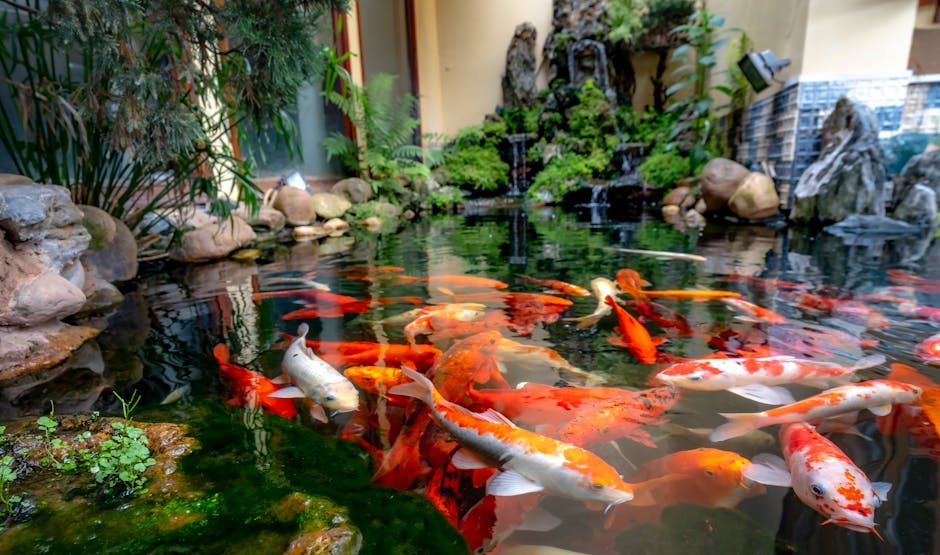
A garden water feature can completely transform an outdoor space, adding movement, sound, and a sense of calm that plants alone cannot achieve. Many homeowners struggle to choose the right style, size, or position for their garden, leaving the idea sitting on a wish list for years. This guide covers everything you need to know, from choosing the best type of feature to planning, installation, and maintenance.
Key Takeaways
- Self-contained water features suit small gardens with limited space.
- Installation costs typically range from £200 to over £5,000.
- Position features away from overhanging trees to reduce maintenance.
- Most water features need pump cleaning every three to six months.
- Planning permission is rarely needed for standard garden water features.
What Is the Best Garden Water Feature for a Small Garden?
The best garden water feature for a small garden is a self-contained unit, such as a wall-mounted fountain, a millstone bubbler, or a tiered bowl. These designs recirculate water through a hidden reservoir, so they need no pond or large footprint. They suit courtyards, patios, and narrow borders equally well.
Self-Contained Features
Self-contained water features arrive largely pre-assembled, which makes installation straightforward for most homeowners. You simply sink the reservoir into the ground or place it on a hard surface, connect a small submersible pump to a low-voltage power supply, and fill it with water.
Wall-mounted fountains work particularly well on fences and rendered walls where ground space is tight. A simple lion-head or cascade design adds sound and visual interest without reducing the usable area of the garden.
Raised Bowls and Millstone Bubblers
Raised bowl features and millstone bubblers are among the most popular choices in UK gardens right now. They blend into both contemporary and traditional planting schemes, and many suppliers offer solar-powered pump options that remove the need for a mains cable.
According to the Royal Horticultural Society (RHS), water features rank consistently among the top five garden improvements that homeowners plan to add, reflecting how much demand there is for this kind of project across the UK.
How Much Does a Garden Water Feature Cost to Install?
A garden water feature costs anywhere from around £200 for a basic self-contained fountain to well over £5,000 for a bespoke pond or rill. The final price depends on the size, materials, groundwork required, and whether you hire a professional landscaper. Setting a clear budget before you shop saves a great deal of time.
Budget Ranges to Expect
- Under £500: Small self-contained bubblers, wall fountains, and solar bowl kits.
- £500 to £2,000: Mid-sized pond kits, larger millstone features, and pre-formed cascade units.
- £2,000 to £5,000+: Bespoke ponds, formal rills, and professionally installed water walls.
Labour costs in Scotland and the north of England often differ from prices in London and the south-east, so always collect at least three quotes from local landscapers. A reputable contractor will carry public liability insurance and provide a written breakdown of materials and labour.
Running Costs to Factor In
Running costs are easy to overlook during the planning stage. A standard submersible pump rated at 30 to 50 watts costs roughly £30 to £60 per year to run continuously, based on average UK electricity prices. Choosing an energy-efficient or solar pump reduces this figure considerably.
Research by Which? found that ongoing maintenance and energy use account for up to 40% of the total five-year cost of a garden water feature, making pump efficiency an important consideration from the outset.
Where Should You Position a Water Feature in Your Garden?
Position a water feature where you can see and hear it from inside the house or from your main seating area. Sound carries differently depending on hard surfaces nearby, so test a few spots before committing to any groundwork. Good positioning also affects how easy the feature is to maintain throughout the year.
Avoid These Common Positioning Mistakes
- Placing a feature directly under deciduous trees, as falling leaves block pumps and raise algae levels.
- Siting a pond too far from a power source, which increases cable run costs.
- Choosing a heavily shaded spot if you want aquatic plants to thrive alongside the feature.
- Positioning a water feature on uneven ground without first laying a level base.
Ideally, a garden water feature should receive around four to six hours of sunlight each day. This supports aquatic planting and reduces algae growth compared with features kept in full shade.
Safety and Proximity to Boundaries
Is a garden water feature safe for children and pets?
Safety is the most important consideration when choosing a garden water feature for a family home. Even shallow water poses a drowning risk for young children, so the design and position of your feature matter enormously.
Wall-mounted water features and pebble pool fountains are the safest options for gardens used by young children. These styles keep water contained in a reservoir beneath ground-level gravel or slate, with no open water visible or accessible at the surface.
Raised water bowls and bird baths also reduce risk compared with in-ground ponds. However, no open water feature is completely risk-free, and adult supervision remains essential whenever small children are present in the garden.
Key safety measures to put in place
- Fit a rigid metal grid or mesh cover over pond surfaces, secured firmly at the edges.
- Install a self-closing garden gate to prevent unsupervised access.
- Choose pebble fountains or wall-mounted features for gardens used regularly by children under five.
- Keep the area around water features clear of slippery algae or moss build-up.
- Teach children clear boundaries around water from an early age.
According to NHS guidance on drowning prevention, most childhood drownings in the UK occur in garden ponds and water features, with children under five at highest risk. This makes design choices genuinely life-saving, not just aesthetic.
Pets also interact with garden water features in ways that can cause harm. Dogs may drink from stagnant ponds containing blue-green algae, which produces toxins that are potentially fatal to animals.
In practice, one of the most common mistakes homeowners make is installing a beautiful open pond without any protective mesh, assuming the water is too shallow to be dangerous. Even 20 centimetres of water presents a serious risk to a toddler.
Landscaping Costs For Families With Children
How much does a garden water feature cost to run?
Running costs are something many buyers overlook when choosing a garden water feature. The pump, lighting, and any heating all add to your electricity bill, so it pays to understand the ongoing expense before you buy.
Most small to medium water feature pumps use between 10 and 50 watts of electricity. Running a 30-watt pump continuously for a year costs roughly £30 to £40 at average UK electricity rates, though this varies depending on your tariff and how many hours a day you run it.
Factors that affect running costs
- Pump size: Larger ponds with waterfalls need more powerful, energy-hungry pumps.
- Run time: Running a feature only during daylight hours cuts costs significantly.
- Solar power: Solar-powered pumps eliminate electricity costs entirely for smaller features.
- Lighting: LED lights use far less energy than older halogen alternatives.
- Water treatment: Algae treatments and water conditioners add a small ongoing cost.
Solar-powered garden water features have grown considerably in popularity as energy prices have risen across the UK. They work well for smaller fountains and bird baths, though they depend on consistent sunlight to maintain a steady flow.
You can use the MoneyHelper household energy cost guidance to estimate how appliances affect your annual bill. Plugging your pump’s wattage into a simple energy calculator gives you a reliable yearly figure to budget against.
“Switching from a mains-powered pump to a solar alternative saved one of my clients around £45 a year. Over a decade, that pays for a quality solar pump several times over.” — Water garden installer with 15 years of UK experience.
Which Landscaping Features Add The Most Value?
What maintenance does a garden water feature need?
Regular maintenance keeps a garden water feature looking its best and prevents costly pump failures. Neglecting basic upkeep is the single biggest reason water features stop working within the first two years of installation.
Most features need attention at least once a month during summer and a full clean at the start and end of each season. Algae, fallen leaves, and mineral deposits from hard water are the main issues that build up over time.
A simple seasonal maintenance routine
- Spring: Clean the pump filter, check for winter damage, and refill water lost to evaporation.
- Summer: Remove algae weekly, top up water regularly, and check pump flow rate.
- Autumn: Clear fallen leaves before they decompose and contaminate the water.
- Winter: In hard frosts, remove the pump and store it indoors to prevent cracking.
Hard water areas across much of England and Wales cause limescale to build up inside pumps and on feature surfaces. Using a purpose-made water feature treatment or a small amount of white vinegar during cleaning keeps limescale under control without harming plants or wildlife.
The BBC Gardening advice pages recommend checking pump impellers for debris as a first step whenever a water feature loses pressure or stops circulating properly. A blocked impeller is far more common than pump failure, and it takes only a few minutes to clear.
In
How Do You Choose the Right Pump Size for a Garden Water Feature?
Choosing the correct pump size is the single most important technical decision you will make for any garden water feature. An underpowered pump produces a weak, disappointing flow, while an oversized pump wastes electricity and can damage delicate fountain heads. The right pump depends on three factors: the volume of water in your feature, the height the water must travel, and the desired flow rate in litres per hour.
Understanding Flow Rate and Head Height
Every pump specification lists two key figures: maximum flow rate and maximum head height. Head height refers to the vertical distance the pump must push water upward. For every metre of head height, a pump loses roughly 10–15% of its rated flow rate, so always factor in head loss when reading pump labels.
A small millstone or boulder feature with a 30 cm lift needs a pump rated at around 500–1,000 litres per hour. A formal tiered fountain standing 1.2 metres tall will typically require 2,000–3,500 litres per hour to maintain a satisfying visual flow. Who Is A Landscape Gardener?
Practical Sizing Example
Consider a 500-litre half-barrel pond with a single-spout fountain rising 60 cm. A pump rated at 1,200 litres per hour at zero head will deliver approximately 900 litres per hour at 60 cm, which comfortably circulates the full water volume roughly twice per hour. This turnover rate keeps the water oxygenated and algae under control without creating excessive surface turbulence that disturbs fish or aquatic plants.
According to the Energy Saving Trust, running an inefficient or oversized pump can add £30–£60 per year to household electricity bills unnecessarily. Choosing a variable-speed pump with an integrated flow controller allows you to tune output precisely, cutting energy use by up to 40% compared with fixed-speed alternatives. Look for pumps carrying the UK Government’s energy efficiency product guidance to ensure you select a model meeting current performance standards.
What Are the Real Safety Risks of a Garden Water Feature and How Do You Manage Them?
Garden water features carry genuine safety risks that many homeowners underestimate, particularly around electrical installations, child drowning hazards, and waterborne bacteria. Understanding each risk and taking specific preventative steps protects your household without requiring you to abandon your water feature plans entirely. Most risks are straightforward to manage with the right equipment and a small amount of routine vigilance.
Electrical Safety Near Water
All outdoor electrical installations for water features must comply with Part P of the Building Regulations in England and Wales. Any circuit supplying a pump, lighting, or heating element within or adjacent to a water feature must include a residual current device (RCD) with a 30mA trip rating. This device cuts power within milliseconds if it detects a fault current, preventing electrocution.
Cables run underground must be armoured or housed in conduit rated for direct burial. Never use standard indoor flex outdoors, even temporarily. The Electrical Safety First charity recommends that all permanent outdoor electrical work be carried out or inspected by a Part P registered electrician. Keep written records of any electrical work completed, as these may be required if you sell your home.
Child Drowning and Wildlife Safety
A child can drown in as little as 5 cm of water, which means even a shallow pebble fountain presents risk to toddlers. The Royal Society for the Prevention of Accidents (RoSPA) consistently highlights garden water as a leading cause of accidental drowning in children under five. Installing a stainless steel mesh grid just below the water surface, or opting for a self-contained urn or millstone feature where water is contained within a sealed reservoir, dramatically reduces this risk.
Legionella bacteria thrive in stagnant water between 20°C and 45°C, conditions that a poorly maintained water feature can easily create during British summers. The NHS guidance on Legionnaires’ disease confirms that home water features can harbour the bacteria, particularly in decorative misters or atomiser-style features that create airborne water droplets. Keeping water moving, cleaning your feature monthly, and avoiding misting systems close to seating areas significantly reduces any risk. Landscape Maintenance Costs After Installation
According to the Health and Safety Executive, domestic water features used purely as visual elements with no misting function present a low but non-zero Legionella risk, particularly when left stagnant during periods of absence such as holidays. Draining and cleaning your feature before a two-week absence is a simple precaution that costs nothing.
How Does a Garden Water Feature Affect Property Value and Planning Permissions?
A well-designed garden water feature can add meaningful appeal to a property, but poorly executed installations can raise concerns during surveys and conveyancing. Understanding the planning rules and the realistic impact on property value helps you invest wisely. Most small domestic water features fall within permitted development rights, but larger structures or those near boundaries sometimes require formal approval.
Planning Permission: What the Rules Actually Say
Under current permitted development rights for England, most garden water features do not require planning permission provided they do not involve significant excavation, sit within a conservation area, or form part of a listed building curtilage. A raised formal fountain, a pre-formed pond, or a self-contained water wall all typically fall within permitted development. However, if you live in a conservation area or your property is listed, you must check with your local planning authority before starting work.
Larger in-ground ponds exceeding roughly 2 metres in depth, or features that involve redirecting surface water drainage, may trigger the need for a drainage assessment. The <a href="https://www.gov.uk/planning-permission-
Garden Water Feature Comparison
| Option | Best For | Cost |
|---|---|---|
| Solar Fountain | Small patios, low maintenance, renters | £30 – £150 |
| Barrel Pond | Compact gardens, wildlife planting, beginners | £50 – £200 |
| Wall-Mounted Water Spout | Courtyard gardens, limited floor space | £80 – £400 |
| Pre-formed Garden Pond | Family gardens, wildlife habitats, mid budgets | £150 – £800 |
| Bespoke Rill or Stream Feature | Large gardens, statement design, professional install | £1,500 – £10,000+ |
Frequently Asked Questions
Do I need planning permission for a garden water feature in the UK?
Most garden water features do not require planning permission, as they fall under permitted development rights. However, if you live in a listed building, a conservation area, or plan a feature that affects surface water drainage, you should check with your local planning authority first. The Gov.uk planning permission guidance sets out exactly when you need to apply.
Are garden ponds safe for young children?
Any standing water poses a drowning risk to young children, even in very shallow depths. The NHS advises that children can drown in as little as a few centimetres of water, so you should install a secure metal grid just below the water surface or fence off the pond entirely. Always supervise children near water in the garden. Who Is A Landscape Gardener?
How much does it cost to install a garden water feature?
Costs vary widely depending on the type and size of feature you choose. A simple solar-powered fountain can cost as little as £30, while a professionally installed bespoke rill or naturalistic pond can run to several thousand pounds. Factor in ongoing running costs such as electricity for pumps, water treatments, and annual maintenance when setting your budget.
How do I keep my garden water feature clean and algae-free?
Regular cleaning is the most effective way to prevent algae build-up and keep the water clear. Position the feature away from direct sunlight where possible, use a quality pump and filter sized correctly for the volume of water, and top up with fresh water during dry spells. Adding aquatic plants such as water lilies also helps by reducing the nutrients that algae feed on. Landscape Maintenance Costs After Installation
Can I install a garden water feature myself or do I need a professional?
Many smaller features, including solar fountains, barrel ponds, and wall-mounted spouts, are straightforward DIY projects that most homeowners can complete in a weekend. Larger in-ground ponds or features that require mains electrical connections must involve a qualified electrician to comply with Part P of the Building Regulations. Always use a registered tradesperson for any electrical work near water.
This article was written with input from a professional garden designer with over 15 years of experience planning and installing water features across residential gardens in the UK.
Final Thoughts
Adding a garden water feature can genuinely transform an outdoor space, but getting the basics right from the start makes all the difference. Choose a feature that suits your garden’s scale and your available budget, check planning and electrical regulations before you begin, and commit to a simple maintenance routine to keep it looking its best year-round.
Start by measuring your available space and setting a realistic budget, then use the comparison table above to shortlist the right type of feature for your needs. If you plan any mains electrical work, contact a Part P registered electrician before purchasing equipment.
📚 You May Also Like
Feb 10, 2026