No dig gardening gives you a simple way to grow healthier plants while improving the soil naturally. Many gardeners struggle with compacted ground, weeds that keep returning, and beds that take too much effort to maintain. This guide explains how no dig works, why it helps, and how to start with confidence in your own garden.
Key Takeaways
- No dig protects soil structure and soil life.
- Compost does most of the hard work.
- Mulch helps block light and suppress weeds.
- Less digging often means less ongoing effort.
- You can start on grass or bare soil.
What is no dig gardening?
No dig gardening is a method where you avoid turning the soil and instead add organic matter on top. This approach feeds worms and microbes, improves structure over time, and reduces weed problems. It suits new and experienced gardeners who want productive beds with less disruption.
When you dig deeply, you disturb soil layers and bring buried weed seeds to the surface. That often creates more work later, especially if your plot already dries out, compacts, or feels hard to manage.
With no dig, you spread compost or well-rotted organic matter over the surface and let nature do the mixing. Worms carry material down, roots open the ground, and the bed gradually becomes easier to plant and maintain.
Why the method appeals to home gardeners
This is where the idea becomes practical. You spend less time battling the ground itself and more time growing flowers, vegetables, or shrubs that actually thrive.
A long-running trial by Charles Dowding reported similar yields between dug and no dig beds, with less weeding on the no dig side. Source: charlesdowding.co.uk.
Does no dig gardening really improve soil?
Yes, no dig gardening can improve soil by protecting its structure and supporting organisms that recycle nutrients. Instead of breaking up the ground each season, you build fertility from the top down. Over time, this often leads to better moisture retention and steadier plant growth.
Healthy soil contains air spaces, fungi, bacteria, insects, and worms working together. Repeated digging can interrupt that network, while surface mulches help it stay active for longer.
Compost also acts like a sponge in many soils, which can help beds hold water in dry spells. On heavy clay, it can make the surface easier to work, while on sandy ground it helps slow moisture loss.
What the evidence suggests
The Royal Horticultural Society says mulches help conserve soil moisture, improve soil condition, and reduce weed growth. Source: rhs.org.uk.
If your goal is a lower-effort garden, soil improvement is only part of the story. Landscape Gardener Services Vs Garden Maintenance Services
How do you start a no dig bed?
Start a no dig bed by clearing obvious debris, covering weeds if needed, and adding a generous layer of compost on top. You do not need to turn the soil first in most cases. The aim is to smother growth below and create a rich planting surface above.
If you are starting on grass or a weedy patch, lay plain cardboard first and soak it well. Then add compost on top, usually around 5cm to 15cm depending on the condition of the ground and what you plan to grow.
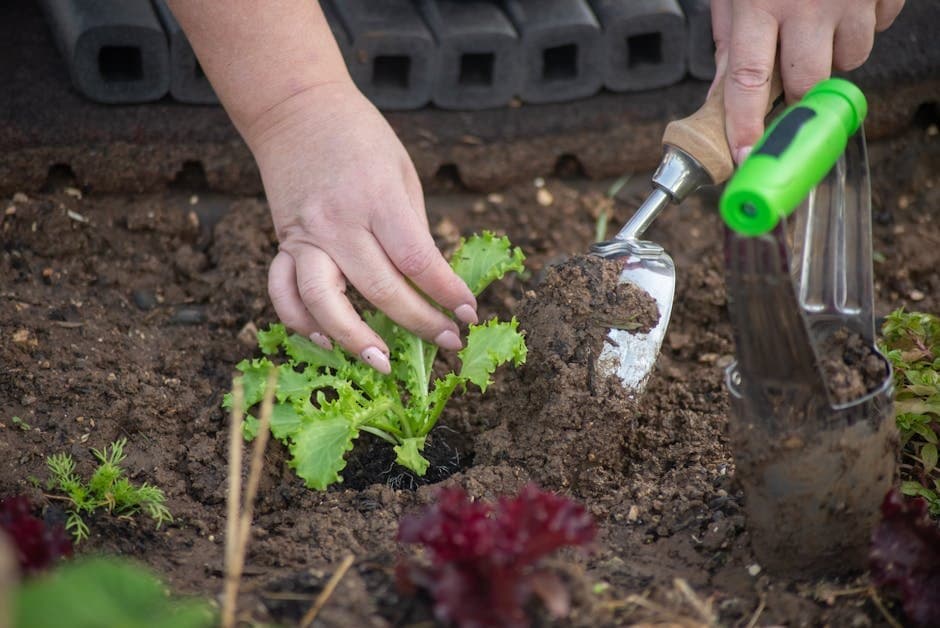
You can plant straight into the top layer once it has settled a little, especially for larger transplants. For seeds, a finer compost surface helps seedlings establish evenly and makes early watering simpler.
Simple first steps
- Remove woody weeds and large stones.
- Lay overlapping cardboard on unwanted growth.
- Water the cardboard so it stays in place.
- Add compost evenly across the bed.
- Plant into the top without digging below.
According to the Royal Horticultural Society, a mulch layer of at least 5cm helps give good weed suppression. Source: rhs.org.uk.
Can you start no dig gardening on grass or weeds?
Yes, you can start no dig gardening straight on grass or weedy ground. You cover the area to block light, add organic matter on top, and let soil life do the hard work below. This approach saves effort and keeps the existing soil structure intact.
For grass, lay plain cardboard over the whole bed with generous overlap, then soak it well. Add a thick layer of compost on top, usually around 5cm to 10cm, and plant directly into that top layer.
For tougher perennial weeds, you may need extra patience because roots such as bindweed or couch grass can push back through gaps. Keep topping up mulch, remove any regrowth quickly, and avoid turning the soil, which often spreads weed roots further.
The Royal Horticultural Society advises using a mulch layer of at least 5cm for weed suppression, which supports this method for new beds. You can also check wider home and garden advice through BBC lifestyle and gardening content. Landscape Gardening Costs Checklist Before You Start
In practice, many beginners use cardboard with tape or glossy print still attached, and that slows decomposition…
What compost is best for no dig gardening?
The best compost for no dig gardening is clean, well-rotted, and easy to spread. Homemade compost works well, and many gardeners also use green waste compost or well-rotted manure, as long as it is mature and free from persistent weeds.
Texture matters because seedlings and young roots need contact with a fine, crumbly surface. If compost is lumpy or fresh, leave it to break down further before using it as your main top layer.
You do not need to mix compost into the soil because worms and microbes will move nutrients down naturally. Annual top-ups usually keep beds productive, improve water retention, and help maintain an even growing surface year after year.
UK households generated 26.9 million tonnes of waste from households in 2022, and composting garden and food waste can reduce what goes to disposal streams, according to UK statistics on waste. Raised Bed Costs For Vegetable Gardens
Expert insight.
Does no dig gardening attract slugs or other pests?
No dig gardening does not automatically cause pest problems, but the moist surface can suit slugs in some gardens. The key is balance, healthy soil supports predators too, so you manage pests by observation rather than by disturbing the bed.
Check young plants regularly, especially in mild, damp weather when slugs are most active. You can reduce losses by watering in the morning, spacing plants well, and removing hiding spots such as loose boards or thick weeds near tender crops.
A no dig bed often builds stronger soil life over time, and that can encourage beetles, frogs, and birds that feed on pests. Good garden hygiene also matters, so clear damaged leaves, harvest promptly, and protect vulnerable seedlings early.
For general health advice on reducing exposure to infections from soil and garden materials, see NHS hand washing guidance. The NHS says washing hands properly takes about 20 seconds, a sensible habit after handling compost, mulch, or slug-damaged plants. Natural Lawn Vs Artificial Grass Cost Comparison
How do you manage nutrients in no dig gardening without overfeeding the soil?
No dig gardening works best when you feed the soil surface steadily rather than chasing quick fixes. The main skill at expert level is matching mulch type, depth, and timing to what each bed has already grown, how heavily it cropped, and what the next plants need. Rich compost is useful, but too much can push soft leafy growth, upset balance in containers and shallow beds, and waste money where soil already holds good fertility.
Think in terms of nutrient budgeting. Heavy feeders such as squash, tomatoes, courgettes and brassicas usually justify a thicker annual compost layer, while carrots, beetroot and many herbs often do well with less because overly rich top layers can encourage leaf at the expense of roots.
A practical rule many growers use is a surface dressing of about 2.5cm to 5cm once a year, then spot-mulching only where crops show need. A 5cm layer spread across 10 square metres uses roughly 0.5 cubic metres of compost, enough to make over-application expensive if repeated without checking results.
Read the bed before you add more
Look for clues from the previous season. Pale leaves, weak vigour, and reduced yield can point to low available nutrients, but very dark lush growth with poor flavour or disease problems can mean the bed already has plenty of nitrogen.
Worm activity and crumbly topsoil usually suggest your system is functioning well. If the surface stays greasy, slimy, or anaerobic after mulching, the issue may be poor compost quality or over-thick applications rather than lack of feed.
Compost choice matters
Green waste compost, homemade compost, leafmould, and well-rotted manure all behave differently in no dig gardening. Green waste compost often gives broad fertility, leafmould improves structure and moisture handling more than feeding, and manure can be excellent for hungry crops but may be too strong for direct sowing if left too fresh.
For beds used for direct-sown carrots or parsnips, a finer, mature compost is often the better top layer because seedling roots move through it evenly. For winter squash or outdoor cucumbers, a richer patch or planting pocket can deliver more value than feeding the whole bed heavily.
For example, after a season of cabbages and calabrese, you might add only 2.5cm of compost before sowing autumn spinach and winter salads, then reserve richer material for next spring’s courgette planting holes. That approach keeps no dig gardening efficient and avoids treating every bed the same. See also Raised Bed Costs For Vegetable Gardens.
What is the best way to handle weeds in no dig gardening when perennial roots are already established?
No dig gardening suppresses annual weeds very well, but perennial weeds need a more deliberate plan. The key is to weaken the root system without bringing fresh buried seed to the surface, which means repeated top-covering, careful lifting by hand, and patient follow-up rather than one dramatic clearance. If couch grass, bindweed, ground elder, horsetail, or bramble are established, expect control in phases rather than a single fix.
Start by identifying what you are dealing with. Annual weeds die back quickly under cardboard and compost, but perennial weeds store energy in roots, rhizomes, or crowns, so they often reappear through seams, edges, and planting holes.
UK households with gardens are common, which helps explain why weed control remains such a practical concern for readers. According to the Office for National Statistics, 87% of households in Great Britain had access to a private or shared garden in 2020, making realistic garden maintenance methods relevant to a large share of homes.
Use layered suppression strategically
For a new weedy area, cover the ground with overlapping cardboard, then add a generous compost layer on top. Overlap cardboard by at least 15cm and check edges often, because perennial weeds usually exploit light and gaps first.
Do not rely on cardboard alone where roots are aggressive. In tough patches, combine surface mulching with repeated removal of regrowth every time it appears, because each cut or pull forces the plant to draw again on stored reserves.
Know when lifting is better than smothering
Some roots are worth lifting before you set up the bed. Thick bramble crowns, mature dock roots, and dense couch grass mats can create persistent problem zones, so remove as much as you can by hand without turning over the whole profile.
If you are unsure about safe handling, hand hygiene still matters after contact with soil and plant debris. The NHS hand washing guidance is useful after weeding, especially around compost heaps, shared tools, and slug-damaged foliage.
For example, if bindweed shoots keep appearing around beans, trace each shoot gently to the crown line, pull what comes free, then mulch again and cut every new shoot at soil level before it twines. Over one full season, that steady pressure usually works better in no dig gardening than digging the bed over. See .
Can no dig gardening cope with UK weather extremes such as drought, heavy rain, and winter saturation?
Yes, no dig gardening can cope very well with UK weather swings, but only if you adjust the system to local conditions. Surface organic matter helps buffer both dry spells and downpours, yet experts know that bed height, compost texture, path design, and timing of mulch all shape the result. In practice, no dig is not a fixed recipe. It is a framework you tune for your soil, rainfall pattern, and exposure.
During dry weather, a compost-rich surface reduces evaporation and keeps root zones more even, especially in beds that are already well structured below. During wet periods, the same stable soil biology improves infiltration, but only if you avoid compacting paths and bed edges.
Rainfall in the UK varies sharply by region and season, so resilience matters. The Met Office notes the UK gets around 1,170mm of rainfall on average each year, but local totals differ widely, which is why no dig gardening benefits from site-specific tweaks rather than generic advice.
Adapt the bed to the problem
On heavy clay in a wet area, raised no dig beds often outperform ground-level beds because they shed excess water faster in winter and warm earlier in spring. On light sandy soils in drier areas, lower beds and thicker organic mulches can hold moisture better and reduce irrigation demand.
Path materials matter too. Woodchip paths absorb rain, reduce
| Option | Best For | Cost |
|---|---|---|
| Compost mulch, 5 to 10cm | Starting new no dig beds over cleared soil or short grass | Medium to high, usually £4 to £8 per 50L bag or bulk delivery for larger plots |
| Homemade garden compost | Annual top-ups, improving soil life, cutting waste | Low, mainly time and bin setup costs |
| Well-rotted manure | Hungry crops such as courgettes, squash and potatoes | Low to medium, often £2 to £6 per bag or local stable collection |
| Woodchip paths | Reducing weeds on paths and improving access in wet weather | Low to medium, sometimes free from local tree surgeons |
| Raised timber beds | Poor drainage, accessibility needs, early spring warming | High, often £80 to £250 plus compost fill |
Frequently Asked Questions
Does no dig gardening really work in the UK?
Yes, it works well in many UK gardens because regular compost mulches protect soil from heavy rain, reduce weed growth and support worms. It suits clay, loam and many urban soils, although very wet sites still need drainage planning. Results improve when you add organic matter yearly and avoid walking on growing beds.
Can I start a no dig bed on grass?
Yes, you can start directly on grass by laying plain cardboard over the area, soaking it well, then adding a generous layer of compost on top. The cardboard blocks light and the grass breaks down underneath. Avoid glossy card and tape, and top up the surface if settling exposes weeds later on.
How much compost do I need for no dig gardening?
For a new bed, most gardeners use around 5 to 10cm of compost across the surface. For yearly maintenance, 2 to 5cm often works well, depending on soil condition and crop demand. If you are buying in bulk, measure the bed carefully first so you avoid over-ordering and unnecessary cost.
Does no dig reduce slugs and weeds?
No dig usually cuts annual weeds because fewer buried seeds reach the surface, and a thick mulch blocks light. Slug pressure varies by garden, season and nearby habitat, so no method removes them completely. Good spacing, morning checks and healthy soil balance help, and you can read wider outdoor health advice on NHS sun safety when gardening for long periods.
Is no dig gardening cheaper than digging?
It can be cheaper over time because you spend less effort on cultivation, disturb fewer weeds and often improve water retention. The main upfront cost is compost, especially when creating beds from scratch. Costs fall if you make your own compost, source local manure carefully and reuse materials such as cardboard and woodchip.
The final advice here is based on practical horticultural writing experience covering soil improvement, compost use and productive kitchen garden methods for UK conditions.
Final Thoughts
No dig gardening works best when you protect the soil surface, add organic matter little and often, and choose bed height and mulch depth to suit your drainage and climate. Start with one manageable bed, keep paths mulched, and top up compost each year so the system gets easier rather than harder.
Your next step is simple, mark out one bed this week, cover any grass with cardboard, add 5 to 10cm of compost, and plant a few reliable crops straight away.
📚 You May Also Like
May 11, 2026