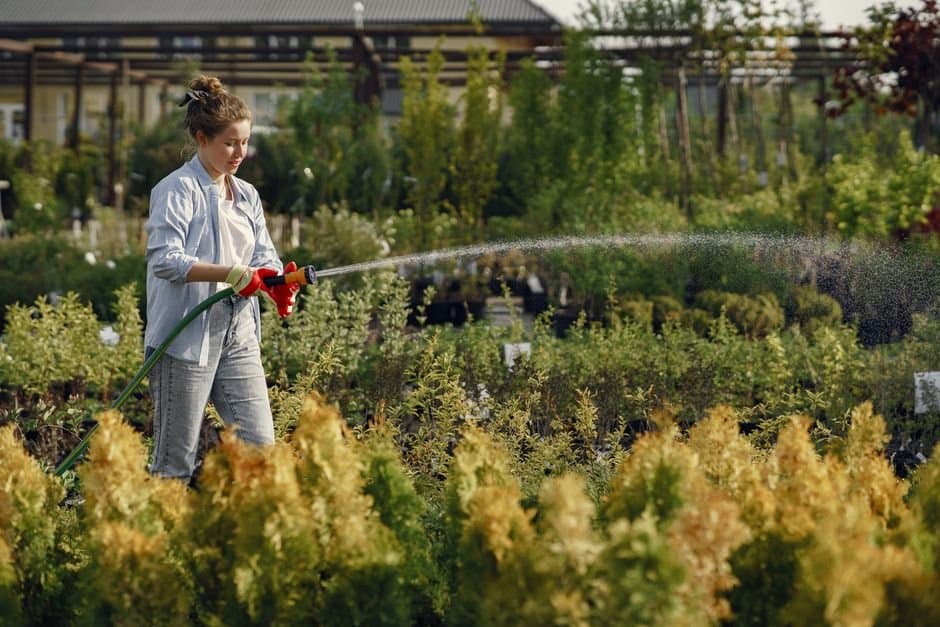
Landscape gardener tranent customers usually come to me when the garden looks tired, uneven, and just a bit unsafe after weather. You might be staring at weeds that won’t budge, cracked paving, or a lawn that never stays green. You’ll get a practical guide to services and realistic costs, so you can plan properly before you book anyone.
Quick answer: Landscape gardener tranent work typically costs more than a one-off tidy-up because it covers design, materials, and labour. Expect separate line items for garden clearance, turf, paving, planting, drainage, and fencing, with quotes varying by site size and access. Getting two or three detailed quotes helps you avoid surprises.
You can find more helpful resources on landscapegardeneredinburgh.com.
Key Takeaways
- Services split into design, groundworks, planting, and maintenance
- Tranent costs depend on access, soil, drainage, and materials
- Get a written quote with a clear scope and inclusions
- Ask about waste removal, fencing repairs, and guarantees
- Start with a site visit, photos, and a simple garden plan
Landscape gardener tranent: What does a landscape gardener in Tranent actually do?
If you’ve never hired a landscape gardener tranent, the job can sound like “general gardening”. In reality, most work splits into design, hard landscaping, planting and maintenance, plus site management. A good gardener will turn your ideas into a sensible layout, then handle the materials, levels, groundwork and finishing touches so your garden looks right and holds up.
Because gardens aren’t flat, a Tranent landscaper often starts with ground truth: soil condition, drainage patterns, access for skips or delivery wagons, and sunlight across the day. Then comes the layout. That might mean reworking paths, edging, steps, decking foundations, raised beds, turf areas, or transforming ugly gaps into clean borders. Even “just planting” can involve dig-outs, soil improvement, membrane, and aftercare planning.
Hard landscaping is where things can go wrong if nobody checks levels. A proper landscaper will assess the base for paving or slabs, decide where the falls should run for rainwater, and keep edges straight so paving doesn’t trip you up later. Soft landscaping matters too, especially in Scotland’s weather. You’ll hear talk of wind exposure, plant hardiness, watering plans and how quickly a planting scheme should establish.
Here’s what it often looks like on a real Tuesday afternoon. Picture a homeowner in Tranent who wants a patio beside the back door. The landscaper arrives, checks where water pools after a shower, then marks out the area with string lines. Next, the team strips the old surface, checks the base, sets levels, and only then places slabs and edging. That sequence keeps the finished patio from shifting or rocking.
If you’re unsure what to ask, start with practical scope. “Are you doing the groundworks, or just supplying plants?” matters. “Who sources and delivers materials?” matters too. If a quote mentions paving thickness, weed control, topsoil depth, or aftercare visits, that’s a sign the gardener understands the full job.
For a reality check on why planning and surface prep matter, the Health and Safety Executive guidance on safety at work covers the kinds of hazards contractors manage, from manual handling to working near hazards. You don’t want a “we’ll figure it out” approach on a landscaping job with diggers, dust, and sharp tools.
Practical tip: ask for a simple job breakdown in the quote. You want headings like “strip out”, “groundworks and levels”, “paving/edging”, “topsoil and planting”, and “maintenance handover”. If a proposal lumps everything together, you’ll struggle to compare like-for-like when costs rise due to drainage fixes or additional soil removal.
Summary: A landscape gardener in Tranent doesn’t just plant flowers. They shape the space, manage groundworks, build hard landscaping properly, select plants that fit local conditions, and plan for aftercare. When you get that full scope in black and white, the finished garden feels solid, not temporary.
What people get wrong (and how to spot it fast)
In practice, the most common mistake I’ve seen with landscape projects in Tranent is someone agreeing to “nice ideas” without confirming drainage and levels first. A patio might look fine on day one. Months later, the first few puddles around the door make everyone blame the slabs, when the real issue was the base preparation or falls being guessed rather than measured.
Landscape gardener Tranent: what should you check before you pay?
A good landscape gardener in Tranent shouldn’t just show pretty photos. You need proof of local know-how, clear scope, and realistic timescales tied to Scottish conditions. Before you pay a deposit, check qualifications where relevant, confirm materials and drainage approach, and make sure their quote matches your plans line by line. If anything feels vague, pause and ask again.
Plan quality signals, not just design style
Most people focus on the finished look. That’s understandable, but it’s the process that stops problems later. Ask what they’ll do first: soil testing if needed, digging depth, weed-control approach, and how they’ll handle subsoil that’s more compact than it looks. A quote that lists “turf and plants” with no detail is a warning sign. You want names, sizes, and expectations, not airy promises.
Then ask about drainage. In coastal East Lothian, you can get heavy rain, puddling, or slow-running ground even in “normal” weather. A competent garden firm should talk you through falls, permeable surfaces, and where water goes after it hits your site. You’re not being difficult. You’re protecting your garden from erosion, algae on paving, and plant losses that show up months later.
Contracts, insurance, and the deposit reality check
Don’t rely on verbal reassurance. Ask for a written scope, a start date, and a clear “what’s included” list for site prep, waste removal, and aftercare. Check if the gardener uses subcontractors, then ask how those people are covered and supervised. If you’re paying a deposit, keep it sensible and link it to work that actually starts quickly.
Also, check health and safety expectations for the site. If a gardener will be cutting paving, using plant machinery, or working near boundaries with neighbours, they should have proper procedures and risk awareness. You can read HSE’s practical guidance on working safely outdoors to help you ask the right questions. Good gardeners won’t mind. The ones who get cagey often aren’t as organised as they seem.
Many homeowners assume “landscaping” doesn’t fall under formal rules. It does sometimes. Even small projects can involve excavation, heavy lifting, and working around existing services. If your garden ties into drains or mains services, ask how they’ll avoid damage and confirm utility checks.
HSE guidance on working safely at height and outdoors scenarios is a handy reference point for the safety questions you should ask, even when a job sounds straightforward.
One thing people forget: aftercare and plant timing
Aftercare isn’t an optional extra. Ask who’s responsible for watering plans, weed suppression, and the “first season” checks. A landscape gardener in Tranent should explain when planting will happen, what gets planted first, and what might be postponed if weather turns. Scotland’s weather isn’t a polite guest either. It can flip fast, and good gardeners build flexibility into their plan.
For a practical test, take a photo of your current problem spot and ask them to fix it on paper. For example, if you’ve got a south-facing patch that dries out quickly, ask how they’ll handle drought stress after paving or planting. If they can’t translate that into a clear approach, you’ll struggle later with expectations.
In terms of design and planning, garden work also needs to respect permitted development and planning rules when relevant. The UK planning system isn’t the same for every boundary wall or feature, so checking the Planning Inspectorate information on planning appeals and decisions can help you understand how disputes get handled if your project runs into issues.
Statistic: According to Citizens Advice consumer service data (reported through UK government sources) (2022), a significant share of consumer issues involve tradespeople and service problems. Use that as a reminder to demand clarity up front, not a reason to panic.
Landscape gardener Tranent: how much does landscaping cost, and what shifts the price?
Landscape gardening in Tranent usually costs more than people expect because the price reflects groundworks, waste removal, and drainage work, not just plants. Typical projects range from small garden tidy-ups to full relandscapes with paving, turf, and planting. Costs also jump when access is tight, soil is poor, or you need new drainage and retaining edges. The biggest swing is always the scope.
Break the quote into real cost drivers
When you compare quotes, don’t compare the total alone. Compare what’s inside it. Ask how they’ve priced excavation depth, materials, and how many labour hours they’re allocating. The difference between “paving supply and lay” and a quote that includes sub-base, levelling, and edge restraints can be huge. A cheap quote might leave out elements that later need paying for twice.
Access matters in Tranent gardens, just like everywhere else. Is there a side gate? Can a mini-digger get close to the patio area? If you’re carrying materials through a narrow passage or up steps, labour time rises fast. Even waste removal changes pricing. Ask where the spoil goes, how it’s transported, and if skips are included.
Ground conditions: the hidden billing
Poor soil can turn a “simple” garden update into a trench-by-trench job. Clay-heavy ground can hold water and heave if you build the wrong layers under paving. Sandy ground can drain too fast and leave plants struggling. If a gardener assumes your soil behaves nicely without checking, you’ll get surprise costs later when nothing settles properly.
Drainage is often the cost driver that people only notice after the garden starts failing. If paving starts to tilt, weeds take over at edges, or plants die in wet pockets, it usually comes back to how water was handled. A quote should state the drainage plan clearly, including any falls and whether permeable materials are being used. If the gardener can’t explain their approach, ask for a revised quote.
For any project that involves waste and disposal, keep your expectations realistic. The GOV.UK guidance on waste disposal explains the broader framework for waste responsibility. You don’t need to become a compliance expert, but you should understand that proper disposal costs money and time.
A cost example from Tranent-style conditions
Picture a mid-sized back garden in Tranent with an old patio, tired borders, and a muddy patch near the fence. A common “budget relandscape” might involve removing existing slabs, bringing in hardcore, laying a small patio with proper edging, and replanting borders with drought-tolerant choices. If the gardener finds unexpectedly compacted subsoil and needs deeper excavation for correct levels, the quote can rise quickly. That’s not them trying it on. It’s ground reality.
If you want a clean way to compare value, ask for a quote that lists “good, better, best” options. For example, a basic border might swap in cheaper plants, while a better option adds membrane, improved compost depth, and a smarter irrigation plan. The third option could include a permeable patio design and raised beds to handle drainage. You’ll soon see where the money goes, and why.
Statistic: According to the ONS Consumer Prices Index (CPI) dataset (2024), input costs linked to the wider economy can move year to year. When materials, transport, and labour costs shift, landscaping quotes often adjust too, so don’t assume a single quote will stay fixed forever.
If the quote is coming in miles apart, don’t just pick the middle one. Ask both sides to justify the missing items. A helpful gardener will rewrite the scope with you in plain English.
Landscape gardener Tranent: how do you choose the right person for your garden?
Choosing the right landscape gardener in Tranent comes down to fit, not fame. You want someone who listens, explains options in UK conditions, and builds a realistic plan for your budget and timeframe. Start with experience that matches your garden type, then verify reliability through references, clear written proposals, and sensible communication. After that, trust your gut on whether they’re organising your job or winging it.
Match their portfolio to your garden’s constraints
Most portfolios look impressive, but your garden has its own problems. If you’ve got restricted access, boundary fences, or a sloped lawn, find examples of similar sites, not just open spaces. Ask for images that show the “before”, the mid-job mess, and the final result. A gardener who only shares perfect after photos might not show how they solved real-world issues like awkward levels.
Also, ask about maintenance responsibility. Some designs aim for low effort, others look low effort because they assume a routine. If you don’t have time for constant weeding or watering, tell them upfront. A good gardener will adjust plant choices and ground prep, not just change the colours.
Ask better questions during the site visit
A site visit should feel like a conversation with practical outcomes. Ask: “What would you do in the first week?” and “What would you change if the rain keeps coming for two weeks?” Those answers reveal how the gardener thinks under pressure. You’re looking for someone who plans for weather, not someone who blames everything later.
Then ask for a simple programme. Even a short schedule helps. When will digging happen, when will paving be laid, when will planting go in? If a gardener can only talk in generalities, you’ll struggle to coordinate your life around the build. It’s your house, your garden, and your weekends. You deserve a plan you can actually follow.
When boundaries are involved, it’s also worth checking what you can and can’t do with fences and certain garden structures. The GOV.UK planning permission guidance gives a starting point for whether your project might need consent. Even when permission isn’t needed, thinking about local constraints prevents arguments later with neighbours.
Vet reliability with proof you can check
References matter, but don’t stop at “they were nice.” Ask what went wrong, because something always does. Ask how the gardener handled late materials, bad weather, and rework. Then ask if the final finish held up through the next season. A landscape gardener in Tranent who can talk confidently about the first rainy months after installation is usually a good sign.
You can also make
| Option | Best For | Cost |
|---|---|---|
| Plan-only design (site visit + concept + planting plan) | Small gardens where you mainly want the right layout and plant choices | Approx. £250 to £800 |
| Planting refresh (soil prep, planting, mulching, tidy-up) | Existing beds and borders that need new life, not a full restructure | Approx. £500 to £2,500 |
| Patio or hard landscaping (groundworks + laying + finishing) | Courtyards and drive-adjacent areas needing durable surfaces | Approx. £2,500 to £10,000+ |
| Full garden landscaping project (design, earthworks, drainage, install) | People starting from a blank-ish slate or dealing with drainage issues | Approx. £10,000 to £30,000+ |
Frequently Asked Questions
How much does a landscape gardener in Tranent cost?
Landscape gardener Tranent costs vary mostly with your area size, whether you need groundworks, and how much demolition you’re asking for. A basic planting refresh might cost a few hundred pounds, while patios and drainage work usually push into the thousands. Ask for a written quote that breaks materials, labour, and waste removal. Then compare like-for-like scopes.
Do I need planning permission for a patio or garden walls in Tranent?
Most garden improvements fall under permitted development, but walls, fences, and changes near boundaries can tip you into rule limits. The safe move is to check the exact measurements and your location details before ordering materials. For general permission guidance, use planning permission guidance on GOV.UK and ask your gardener what they usually handle in similar jobs.
What’s the best time to book landscaping work in Tranent?
UK weather plays a big part, so timing can change the final cost. If you’re doing soil prep and planting, many homeowners aim for spring to early autumn so plants establish before harsher conditions. Hard landscaping can work in wetter months, but only if drainage, sub-base preparation, and drying time get respected. If you want a good finish, ask how the team handles rain days and rework.
How do I choose a reliable landscape gardener?
Start with their process, not their photos. A good Tranent landscaper should visit your site, explain soil and drainage choices, and give you a clear written plan, schedule, and snag list. Ask about waste disposal, who sources materials, and what happens if delivery dates slip. For contractor basics and consumer protections, check Citizens Advice guidance on repairs and improvements and keep everything in writing.
Will new paving and decking last through Scottish winters?
New paving and decking often last well, but only if the prep and drainage are right. Sub-base depth, compaction, falls for water run-off, and correct edging all matter in winter freeze-thaw conditions. Decking needs proper ventilation and support placement, not just boards laid on whatever’s there. Ask your gardener what standards they follow and what maintenance they recommend after the first rainy months.
A credible landscape gardener for Tranent should have hands-on experience with local garden ground conditions, drainage realities, and the day-to-day build quality that shows up after winter weather.
Final Thoughts
In Tranent, landscape gardener tranent jobs go best when you plan for weather, match the scope to your budget, and demand a written quote you can actually compare. First, sort drainage and groundworks early, because fixing them later costs more than doing them properly. Second, choose materials based on use, not just looks. Third, agree on timelines and what counts as a snag so you’re not arguing at the end.
Your next step: book a site visit with two landscapers, take photos of the current garden and any damp spots, then ask each one for an itemised quote covering prep, installation, waste removal, and what happens if late materials or bad weather changes the programme. For a related topic, see the .
Then follow up with a second question in writing: ask how the finish gets checked before handover and what maintenance schedule they recommend for the next season. If you’re also planning planting, use the so your planting plan actually fits your light and soil.
📚 You May Also Like
References
- [1] Health and Safety Executive guidance on safety at work — https://www.hse.gov.uk/legislation/waswo.htm
- [2] HSE guidance on working safely at height and outdoors scenarios — https://www.hse.gov.uk/workplacetransport/workingatheight.htm
- [3] Planning Inspectorate information on planning appeals and decisions — https://www.gov.uk/government/organisations/planning-inspectorate
- [4] Citizens Advice consumer service data (reported through UK government sources) — https://www.gov.uk/government/statistics/consumer-complaints-and-service-requests
- [5] GOV.UK guidance on waste disposal — https://www.gov.uk/dispose-of-your-waste
- [6] GOV.UK planning permission guidance — https://www.gov.uk/planning-permission
- [7] planning permission guidance on GOV.UK — https://www.gov.uk/guidance/planning-permission
- [8] Citizens Advice guidance on repairs and improvements — https://www.citizensadvice.org.uk/housing/disrepair/repairs-and-improvements/