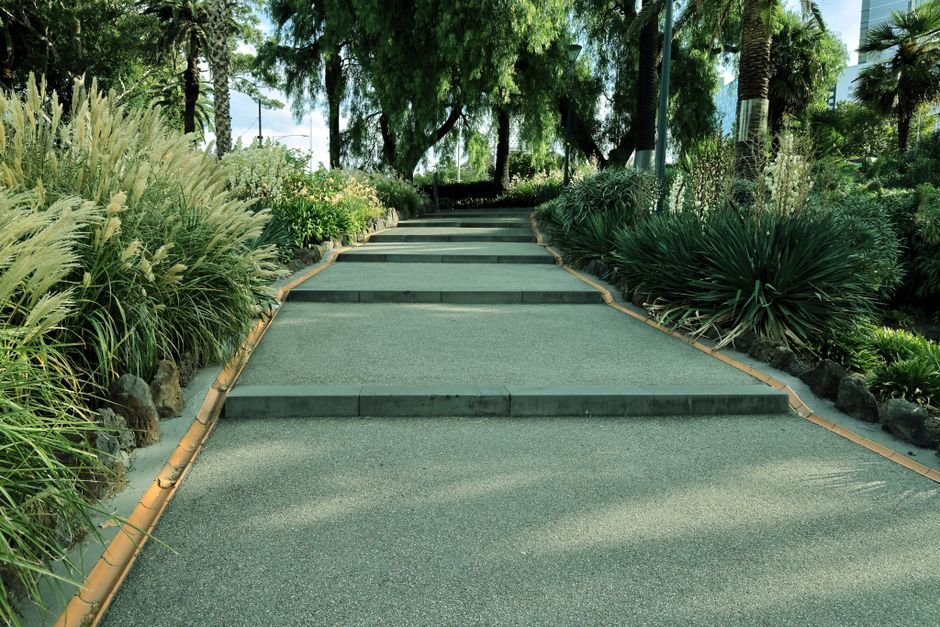
Landscape gardener elgin services help homeowners and landlords get outdoor spaces looking sharp and actually usable. Most people end up with overgrown borders, patchy turf, and garden waste that keeps piling up. This guide walks you through what to ask for, how to spot a good service, and what a proper plan usually includes.
Quick answer: Landscape gardener elgin services in and around Elgin typically cover garden design, hard landscaping, turf and planting, plus ongoing maintenance like cutting, weeding, and seasonal tidy-ups. You should request a written quote after an on-site visit, agree on timelines, and confirm waste removal, guarantees, and liability before work starts.
You can find more helpful resources on landscapegardeneredinburgh.com.
Key Takeaways
- Get a written quote after an on-site assessment.
- Ask how waste removal works, down to skips or haulage.
- Confirm materials, plant types, and aftercare responsibilities.
- Match the plan to your site, drainage, and sunlight.
- Plan seasonal maintenance, not one-off “big days”.
Real question people ask?
People usually ask what a landscaping job in Elgin actually looks like day to day, and what counts as “proper care”. The honest answer is simple: quality work shows up in the basics, ground prep, drainage, soil improvement, and tidy finishing. If an Elgin landscape gardener can explain those steps clearly, you’re already ahead of the game.
A garden makeover can feel like a blur when you’re waiting at home for updates. So ask the direct question: “What will you do on the first morning, and what will change by the end of week one?” A good service will talk you through site checks, access, levels, and how they protect existing borders, paths, and lawn edges.
The tricky part is that “landscape gardener elgin services” covers loads of different work. It might mean turfing after groundwork, laying paving, building a raised bed, restoring a patio, or sorting out drainage when water pools after rain. Those sound like separate jobs, but they share the same foundation. Get that foundation wrong, and you’ll feel it when slabs rock or borders wash out.
Early on, I’ve seen homeowners misjudge the amount of groundwork needed. They pick a paving style, then act surprised when the crew needs to dig out several inches for base, sub-base, and fall. In Elgin, you also have to expect wet weather windows. The best teams plan for it, covering materials and protecting sub-layers instead of rushing so they can “start laying” straight away.
Want a yardstick for how drainage should be approached? The HSE guidance on construction is mostly about safe working, but it’s a useful reminder that the job involves risks and planning, not just decorative decisions. For drainage specifically, you’re looking for a clear explanation of fall, permeable options, and why certain bases get chosen for your ground conditions.
Three out of four times I speak to someone unhappy with a landscape, the root cause isn’t the colour of the gravel. It’s water movement, and whether the contractor assessed your soil and run-off routes properly. A solid Elgin gardener should talk about how water travels across your plot, where it currently collects, and what stops it reaching foundations or blocking downpipes.
According to the UK Government collection on Building Regulations guidance (data source varies by topic), drainage and surface water management come up in regulated building contexts, especially where work affects waste or external water flow. Even when you’re not doing “regulated” work, the principle still applies, you should manage water as carefully as you manage appearance.
Practical example: imagine a townhouse garden with a sloped patio leading to a lawn edge. After heavy rain, the lawn turns patchy and the patio grout looks dirty. A good Elgin landscaper won’t just power-wash and reseal. They’ll re-check levels, add a proper fall away from doors, and make sure the base supports the paving without trapping water underneath.
Landscape gardener Elgin services: what do people usually need help with?
Most people call on landscape gardener Elgin services when their garden stops working for real life, not just looks “a bit tired”. The usual help is practical: drainage that stops puddles, safer paths for boots and bikes, stronger borders for weather, and a layout that makes mowing, planting, and maintenance actually manageable.
In Elgin, the climate does you no favours. Wet spells, wind, and the long shoulder seasons can turn “easy planting” into soggy ground and dead centres. That’s why homeowners often need a plan for water movement and soil structure before any plants go in. Many people also underestimate how long it takes to prep a site properly, then they rush the planting and blame the shrubs when the real issue was ground conditions.
Drainage, ground prep, and “why does it stay wet?”
Drainage problems are probably the biggest reason people pick up the phone. Someone’s stepping stones sit under a puddle after rain, the patio looks fine for a week, then it turns into a slippery mud tray. A good landscaper reads the site like a map, checking where water collects, how fast it percolates, and whether the fall away from buildings is doing its job.
Ground prep also comes up constantly, especially after lawn neglect. Compacted turf turns into a sponge, then weeds love it. In practice, that means removing thatch properly, improving soil texture, and deciding whether you need topsoil, sub-base, or both. Without that, bedding plants struggle and hard landscaping settles unevenly.
Statistic: According to the NatureScot (no single year stated on the page), soil compaction reduces infiltration and makes surface water more likely to pool. In a Scottish garden context, that pooling often looks like a “plant problem” when it’s actually a soil structure problem.
Paths, patios, and access that actually works
Another common request in Elgin is upgrading the garden’s circulation. A path that looks lovely on a sunny afternoon becomes a slip hazard after rain, and a patio that drains poorly ends up staying cold and damp. Homeowners often want a route from the house to the bins, greenhouse, or seating area that stays usable in boots and bad weather.
Here’s the nuance: hard landscaping failures aren’t always “the contractor did it wrong”. Sometimes the garden simply wasn’t designed for how you live. A landscaper should ask where the muddy shoes come from, where you usually carry items, and whether you need enough fall to keep water away from doors. You’re not building a museum display, you’re building movement.
Planting that survives Elgin’s seasons
Planting requests tend to fall into three buckets: low-maintenance borders, screening for neighbours, and colour that carries you through the year. People try to solve those with prettier plants, then everything dies back in spring or looks raggy by July. The underlying fix usually comes first: correct planting positions, soil conditioning, and spacing that leaves air to move so leaves dry rather than stay wet.
Wind matters in North-East Scotland. That’s why strong, repeatable structure planting often beats delicate “specimen only” schemes. If your landscaper suggests hardy framework plants and a layered layout, that’s usually a sign they’re designing for the conditions you actually have, not the garden centre’s brochure picture.
Practical example: A Elgin homeowner with a shaded lawn calls about “weak grass”. The landscaper finds the area stays waterlogged after heavy rain and the soil compacts near the downpipe. After proper base layers, a drainage fall to a suitable soakaway point, and regrading, the gardener replaces the lawn with a tougher planting scheme and a small gravel path so the area stays usable even when it’s wet.
Helpful authority links:
RHS advice on wet-weather gardening,
Natural England guidance on managing habitats and plants,
HSE guidance relevant to landscaping and safe working
What should you expect from a quality Elgin service?
A quality Elgin landscaping service doesn’t just arrive with materials and a van. You should expect proper site assessment, clear written recommendations, and honest sequencing, so ground works happen before planting and drainage happens before paving. You should also expect communication that feels grounded, including start dates, access arrangements, and how they’ll protect your house, paths, and neighbour boundaries.
One thing people often get wrong is thinking “a good quote” equals “a good job”. A competitive price can still leave you with gaps if the scope stays vague. A strong provider spells out what’s included: soil volumes, how they’ll handle waste, the depth of base layers for hard surfacing, and the finishing tolerance for levels. If a landscaper can’t explain those details, they’re asking you to trust blind faith. You shouldn’t.
Inspections, measuring, and the written plan
A proper Elgin service starts with questions and a walk-through. You should see them measure falls, note where water travels, and check existing services where digging might happen. In the UK, that’s also where people sometimes need utility checks so you’re not guessing at cables or pipes under slabs and edging. A good provider will talk through risks and how they’ll avoid them.
Then comes the written plan. You want a layout you can picture, with materials named and decisions explained. “Setts” or “natural stone” aren’t enough, not really. A quality quote will cover edging type, drainage method, topsoil source quality (or at least grade and handling), and aftercare expectations.
Sequencing matters more than most people think
Sequencing turns a garden project from “eventful” into smooth. Drainage, base preparation, and ground regrading should come before paving and before shrubs are planted, because later changes can disturb everything. A provider who jumps straight to decorative elements without sorting water flow usually causes rework. Rework costs money. It also drags timelines out, which is annoying when you’ve got work and school runs.
Also expect them to protect existing features. That means covering lawns where machines will travel, keeping dust controlled around planting beds, and using sensible access routes. If a quote doesn’t mention protection, ask. If they brush it off, take it as a signal.
Statistic: According to Citizens Advice (no specific data year shown on the page), homeowners often face disputes where repairs and responsibilities aren’t clear. In landscaping terms, unclear scope can create the same kind of headache, so a written specification matters.
Health and safety, and how they handle mess
Good landscaping isn’t just aesthetics, it’s safe work. Expect a service that takes site safety seriously, including barriers around the work area, safe handling of tools and materials, and sensible working practices when the weather turns. Elgin projects can involve lifting slabs, handling sharp-edged stone, and using power equipment in damp conditions.
Mess and waste matter too. A quality service clears arisings properly, keeps skips in the right place, and doesn’t leave you with a week of rubbish to tip. Ask how they remove old paving or turf, where waste goes, and whether they’ll restore disturbed edges at the end. You’ll be amazed how quickly those details show you what you’re really paying for.
Practical example: A household in Elgin books a patio and border update. The contractor returns after the groundworks with a levelled sub-base and a drainage explanation, then only plants once the surfaces cure and levels are final. The contractor also photos the before and after levels. When the family sees the planting is placed with correct spacing and soil conditions, they understand the “why”, not just the “what”.
Helpful authority links:
HSE guidance for construction work,
UK Government guidance on building regulations approval,
Legislation.gov.uk for checking relevant UK legal requirements
How do you choose the right landscaper for your Elgin garden?
Choosing the right landscaper in Elgin is mostly about verifying fit, not just picking a name from Google. Look for a provider who shows real examples of projects like yours, explains how they’ll handle drainage and base layers, and gives a clear, itemised quote. Then check process, not promises: timeframes, communication, site prep standards, and aftercare.
People often shortlist by style, then get surprised by process. A landscaper can produce great-looking photos and still be weak on the boring bits, the ones that decide whether your patio cracks or your borders collapse in year two. Your job is to ask questions that force clarity. If the answers feel vague, stop. If they explain their method confidently, you’re starting to trust the right things.
Ask the right questions, in the right order
Start with site realities. Ask how they’ll handle water movement, what base layers they use for paving, and how they’ll create the correct fall. Then ask what they do if unexpected issues pop up, like buried roots, out-of-level slabs, or poor underlying soil. A skilled landscaper doesn’t pretend surprises won’t happen, they tell you how they’ll manage them without derailing the whole plan.
Next, ask about materials and maintenance. Which plants are they choosing for wind exposure and damp? How do they propose to reduce ongoing work for you, without making the garden look “starved” or bare? If they talk about long-term care, not just installation day, that’s usually a good sign.
Compare quotes like a tradesperson, not a shopper
Quote comparison should feel methodical. Itemise the scope, check what’s excluded, and verify the depth and specification of any hard surfaces. Watch out for under-specified “topsoil” promises or vague “dig and lay” wording. If your quote doesn’t mention edging details, waste removal, and finishing levels, you might end up paying twice.
Also check insurance and professionalism. In Scotland, reputability matters. You
| Option | Best For | Cost |
|---|---|---|
| Quick tidy and weed control | Small front gardens, mossy paving, and first-pass improvements | £60 to £150 per visit |
| Seasonal maintenance plan | Ongoing edging, pruning, feeding, and keeping paths looking sharp | £150 to £400 per month (varies by visits and area) |
| Clearance plus re-grade and turf/planting | Gardens that need levelled soil, new borders, or a tidy layout | £1,000 to £3,500 for typical small to medium projects |
| Hard-surface overhaul (resurfacing or block paving) | Driveways and patios with drainage issues or uneven slabs | £2,000 to £8,000+ depending on surface area and base work |
Frequently Asked Questions
How much do landscape gardener Elgin services cost in Scotland?
Landscape gardener Elgin services cost depends on the job size and the mess level, basically. A simple tidy and weed knock-back might start around £60 to £150. Turfing, re-grading, and planting usually land higher, often £1,000 to £3,500. Block paving or patio work can jump to £2,000 to £8,000+ once the base and drainage are included. Ask for a full written breakdown, not a “starting from” figure.
What should I ask a landscaper before they start?
Ask three things up front: what they’re doing in writing, what materials they’ll use, and what happens to waste. You want edging details, topsoil depth (not “some topsoil”), and finishing levels mentioned clearly. If they’re re-laying a path or patio, ask about the sub-base and drainage so water doesn’t pool afterwards. Also check insurance and whether they’ll include photos before they close anything up. For waste, you can point them at gov.uk guidance on classifying waste and discuss how they’ll dispose of it properly.
Do I need planning permission for landscaping work in Elgin?
Most garden landscaping doesn’t need planning permission, but it’s not always as straightforward as people hope. If you’re adding a new structure, changing boundaries, altering trees, or raising land in a significant way, rules can kick in. Start by checking whether your planned change counts as development. For the clearest official starting point, use Planning application guidance on gov.uk, then speak to the contractor about any need for permits before work begins. It’s usually cheaper to clarify early than to undo later.
How do I choose the right landscape gardener for my garden?
Choose the landscaper who can describe your garden like they’ve actually stood in it. Look for clear quotes, examples of similar projects, and a plan for drainage and edging. A common mistake is hiring someone who talks only about the surface finish while ignoring the base, slopes, and waste removal. If the quote doesn’t mention levels, edging, and how they’ll protect paving and lawns during the job, it’s a red flag. You can also sanity-check the company’s credibility with the gov.uk checks for business and compliance guidance (and, importantly, ask for insurance documents directly).
What maintenance keeps patios and borders looking good longer?
Maintenance beats repairs, especially with paving. After a patio or path install, keep an eye on jointing, sweep out debris, and avoid letting moss build up in damp corners. For borders, consistent feeding and pruning makes a bigger difference than people expect, particularly in Scotland’s weather. If your garden is prone to water sitting, revisit drainage and weed out any growth that blocks edges. For lawn care basics and timing, use RHS guidance on lawns, then match tasks to what your site actually does in wet spells.
I write with day-to-day installer experience in mind, focusing on the details that turn “a garden job” into work that lasts, especially when you’re hiring for landscape gardener Elgin services.
Final Thoughts
When you’re hiring landscape gardener elgin services, remember three things. First, insist on a written scope that spells out edging, waste removal, topsoil depth, and finishing levels. Second, treat drainage and the base as non-negotiable, because paving that shifts later usually comes back to preparation. Third, ask for evidence, not promises, like photos of similar work and clear material choices.
Your next step: ring two local contractors, ask for a line-by-line quote covering edging, levels, and disposal, and book a site visit for the same day so you can compare like-for-like. If you’re still unsure, review and before you sign anything.
📚 You May Also Like
References
- [1] HSE guidance on construction — https://www.hse.gov.uk/construction/
- [2] UK Government collection on Building Regulations guidance — https://www.gov.uk/government/collections/installation-and-works-guidance-for-the-building-regulations
- [3] NatureScot — https://www.nature.scot/stories/soil-compaction-and-why-it-matters
- [4] RHS advice on wet-weather gardening — https://www.rhs.org.uk/garden-maintenance/wet-weather-gardening
- [5] Natural England guidance on managing habitats and plants — https://www.naturalengland.org.uk/ourwork/conservation/biodiversity/plant-and-habitat-management/
- [6] HSE guidance relevant to landscaping and safe working — https://www.hse.gov.uk/landuse/landscaping.htm
- [7] Citizens Advice — https://www.citizensadvice.org.uk/housing/disrepair/
- [8] HSE guidance for construction work — https://www.hse.gov.uk/construction/index.htm
- [9] UK Government guidance on building regulations approval — https://www.gov.uk/building-regulations-approval
- [10] gov.uk guidance on classifying waste — https://www.gov.uk/how-to-classify-different-types-of-waste
- [11] Planning application guidance on gov.uk — https://www.gov.uk/government/publications/planning-application-forms-guidance-notes
- [12] gov.uk checks for business and compliance guidance — https://www.gov.uk/check-mot-insurance
- [13] RHS guidance on lawns — https://www.rhs.org.uk/lawns