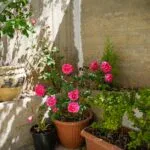
How to choose a landscape gardener for a small garden
Choosing the right landscape gardener for a small garden can seem overwhelming, but with the right approach, you can find the perfect professional to transform your outdoor space. Here’s a streamlined guide to help you make an informed decision.
Understand Your Needs
Before you start searching for a landscape gardener, identify your specific needs. Consider the following:
- What features do you want? (e.g., flower beds, patios, paths)
- Do you need maintenance services as well?
- What is your budget?
- What style are you aiming for? (e.g., modern, cottage, xeriscape)
Having a clear vision will make it easier to communicate with potential gardeners.
Research Potential Gardeners
Start by gathering recommendations from friends, family, or neighbors who have had landscaping work done. Online platforms can also be helpful. Websites like Houzz or Thumbtack provide lists of local service providers along with reviews.
Make a list of potential gardeners and conduct a quick background check on their online presence.
Get quote here: landscapegardeneredinburgh.com
Check Qualifications and Experience
Once you have a shortlist, verify their qualifications. Ensure they have the necessary certifications and insurance. These are crucial as they protect you from any liabilities that may arise during the work.
Experience is also key. Look for a gardener who has successfully completed projects similar to yours. Ask for their portfolio or images of past work to assess their style and quality.
Get Multiple Quotes
It’s wise to obtain quotes from at least three different landscape gardeners. This allows you to compare their pricing, services included, and estimated timelines for project completion. Be cautious of quotes that seem too low; they might indicate compromised quality.
When reviewing quotes, consider the following:
Get quote here: landscapegardeneredinburgh.com
- What is included in the quote?
- Are there any extra costs?
- What materials are recommended or used?
- What is the payment schedule?
Ask the Right Questions
During interviews with potential gardeners, ask specific questions that relate directly to your project:
- How do you handle potential challenges that may arise?
- What is your process for design and installation?
- How do you ensure the project stays within budget and timeline?
- What kind of maintenance services do you offer once the project is done?
These questions will help you gauge their problem-solving skills and commitment to client satisfaction.
Request References
Don’t hesitate to ask for references or testimonials from previous clients. Speaking with past customers can provide insight into the gardener’s reliability, work ethic, and overall experience.
Be sure to contact these clients and ask specific questions about their experience.
Get quote here: landscapegardeneredinburgh.com
Observe Communication Skills
The manner in which a gardener communicates can be a big indicator of how they manage projects. A good landscape gardener should actively listen to your ideas and provide honest feedback. They should also be prompt in responding to inquiries.
Beware of Red Flags
During your search, stay alert for any warning signs that may indicate a poor choice:
- Failure to provide a written quote.
- Reluctance to show credentials or past work.
- Vague or inconsistent communication.
Taking the time to follow these steps will help you choose a landscape gardener who is well-suited for your small garden project. With careful consideration and thorough research, you will find the right professional to bring your outdoor dream to life.
For more resources on landscaping, you can visit Landscape Industry Association and American Express’s Cost of Landscaping.
Key qualities to look for in a landscape gardener
Finding the right landscape gardener for your garden can set the tone for your outdoor space. A small garden deserves the same level of attention and expertise as a larger one. Here are key qualities to consider when choosing a landscape gardener that will enhance your small garden’s beauty and functionality.
Get quote here: landscapegardeneredinburgh.com
Experience and Expertise
First and foremost, seek a gardener with experience specific to small garden design. A skilled landscape gardener should understand the unique challenges posed by limited space. They should be adept at maximizing every inch of your garden. Look for portfolios showcasing their previous work, specifically in small gardens. This will give you insight into their design capabilities and creativity.
Communication Skills
Effective communication is essential in any working relationship. Your landscape gardener should be approachable and willing to listen to your ideas and preferences. They must communicate clearly about their vision, timelines, and costs. A good gardener will ask questions and provide feedback, ensuring a collaborative approach. This communication helps in aligning your goals with their expertise, ultimately leading to a better outcome for your garden.
Creativity and Vision
Landscaping your small garden is not just about planting flowers and shrubs; it requires creativity to create a stunning visual impact. Look for a gardener who can think outside the box and offer innovative solutions tailored to your space. They should be able to propose unique design elements that make your garden stand out while maintaining harmony with your home’s architecture.
Knowledge of Plants and Materials
A proficient landscape gardener should have in-depth knowledge of various plants and materials. They should suggest plants that will thrive in your specific environmental conditions, considering sun exposure, soil type, and climate. Additionally, they should be familiar with hardscape materials, such as stones, patio pavers, and fencing, to create a balanced and attractive garden space. Here’s a quick checklist:
Get quote here: landscapegardeneredinburgh.com
- Understanding of native and drought-resistant plants
- Experience with various hardscape materials
- Knowledge of seasonal planting and maintenance cycles
Attention to Detail
In landscaping, details matter significantly. Look for a gardener who pays close attention to every aspect of the gardening process. This includes proper plant spacing, soil preparation, and the finishing touches like mulching and edging. A meticulous gardener will ensure that your small garden is not only beautiful but also healthy and thriving over time.
Client Testimonials and References
Before making your choice, check the gardener’s reputation through client testimonials and references. Positive reviews from previous clients can provide insight into their reliability and work ethic. Don’t hesitate to ask for references and follow up with them to gain a better understanding of what to expect.
Eco-Friendly Practices
More homeowners are becoming environmentally conscious. Look for a landscape gardener who uses sustainable practices. This includes organic gardening methods, water-efficient irrigation systems, and materials sourced responsibly. An eco-friendly gardener will not only beautify your small garden but will also help nurture the environment.
Clear Pricing Structure
Transparency in pricing is crucial when hiring a landscape gardener. They should provide a clear breakdown of costs, including materials, labor, and any additional fees. Ensure you understand the full scope of expenses involved. This clarity can help prevent disputes and ensure there are no surprises along the way.
Get quote here: landscapegardeneredinburgh.com
Availability and Commitment
Check the gardener’s availability to ensure they can dedicate adequate time to your project. A committed gardener will prioritize your garden and provide consistent updates throughout the process. Their willingness to answer your questions and address concerns along the way is crucial for a successful landscaping experience.
Final Thoughts
Choosing the right landscape gardener for your small garden isn’t just a matter of aesthetics. It’s about finding someone who aligns with your vision and values. Taking the time to assess these critical qualities will lead you toward building a beautiful outdoor space you’ll enjoy for years to come. For more resources, visit Landscape Architects for professional advice and inspiration.
The importance of garden design in small spaces
Designing a garden in a small space is both an art and a science. Transforming a compact area into a stunning and functional landscape requires thoughtful planning. It’s imperative to consider how each element will work together to create a harmonious and inviting environment. A well-planned garden design can significantly enhance the overall aesthetic value of your space.
One of the primary advantages of garden design in small areas is maximizing the available space. You can create the illusion of a larger area by using techniques such as layering plants, utilizing vertical gardening, and incorporating mirrors. Carefully chosen flower beds and shrubs can make the garden feel more expansive. Moreover, it’s crucial to select plants that complement each other while thriving in the limited space.
Color plays a pivotal role in small garden design. Using a cohesive color palette can help create a calm and inviting atmosphere. Here are some color strategies to consider:
Get quote here: landscapegardeneredinburgh.com
- Monochromatic Schemes: Stick to various shades of a single color to create a unified look.
- Complementary Colors: Choosing plants with colors opposite each other on the color wheel can create striking contrasts.
- Neutral Backgrounds: Use greens and browns as a base to highlight more vibrant flowers and foliage.
Another essential aspect of designing a small garden is the selection of appropriate plants. Consider the following when selecting plants:
- Size: Choose dwarf varieties or compact plants that won’t overwhelm your space.
- Growth Habit: Look for plants that grow vertically to save ground space.
- Blooming Season: Incorporate a mix of perennial and annual plants to ensure year-round color.
The layout of pathways and seating is equally important. In small gardens, every square inch counts. Consider these design tips:
- Flow: Allow seamless movement through the garden by designing winding pathways.
- Seating Areas: Opt for small benches or chairs that don’t encroach on the walking paths.
- Functional Zones: Create distinct areas for dining, relaxation, and planting to maximize utility.
Various layers and textures can add dimension and visual interest to your small garden. Think about using a mix of plants, such as tall ornamental grasses, mid-height flowering plants, and ground cover. The addition of hardscape elements like rocks, stones, or pavers can further enhance the texture and depth of your design.
Lighting is another crucial component that can significantly influence the feel and function of your small garden. Proper lighting can help create an inviting ambiance during the evening hours. Consider these lighting options:
Get quote here: landscapegardeneredinburgh.com
- String Lights: Drape string lights over seating areas for a cozy feel.
- Spotlights: Highlight key features like a sculpture or specimen plant.
- Solar Garden Lights: Ensure pathways are well-lit with solar lights that are easy to install.
Technology can also play a role in modern garden designs. Consider using apps for garden planning or irrigation systems that can help you maintain your small space effortlessly. The combination of technology with traditional design principles can yield a beautiful and sustainable garden.
Staying in tune with nature is critical. Using native plants adapted to your local climate can lead to lower maintenance and water needs. Native species are generally more resistant to local pests and diseases, promoting a healthier garden ecosystem.
Effective garden design in small spaces not only creates beautiful landscapes but also enhances your quality of life. By considering elements such as plant selection, color schemes, and layout, you can develop a space that is both visually appealing and functional. Your garden, no matter how small, can reflect your personal style and provide a sanctuary for relaxation and enjoyment.
For more tips on garden design, you can visit Gardeners’ World or check out The Gardening Cook for further insights and ideas.
Budgeting for a landscape gardening project
When you decide to enhance your outdoor space, budgeting for a landscape gardening project becomes essential. Having a clear budget helps ensure that your vision is realized without overspending. Here are some crucial steps and tips to guide you in budgeting for your landscaping project effectively.
Get quote here: landscapegardeneredinburgh.com
Assess Your Current Space
Before diving into costs, take a close look at your garden. Assess its current conditions, including soil quality, drainage, and existing plants. Understanding what you have can help you identify what needs to change and how much you might need to spend. Performing a basic analysis of your space may uncover hidden problems or opportunities that will influence your total costs.
Define Your Goals
What do you want from your landscape gardening project? Whether it’s creating a serene retreat, a functional outdoor entertaining area, or a vibrant garden full of flowers, defining your goals allows you to outline what you’re willing to invest. Prioritizing your needs will help keep your budget in check and your project focused.
Get Multiple Quotes
When hiring a landscape gardener, getting multiple quotes is key. Different landscapers will have varying approaches, styles, and pricing. Consider these points:
- Meeting with at least three different landscapers for quotes.
- Inquiring about their past projects and experience.
- Checking online reviews for their work quality and customer satisfaction.
Having diverse estimates allows you to make informed decisions.
Get quote here: landscapegardeneredinburgh.com
Materials and Plants
Materials can take a significant portion of your landscaping budget. Whether you are looking into hardscaping items like stones and bricks or softscaping elements like plants and trees, costs can vary widely. Here’s a breakdown of common materials:
| Material Type | Average Cost per Square Foot |
|---|---|
| Patio Pavers | $10 – $30 |
| Turf (sod) | $0.50 – $2.00 |
| Mulch | $2 – $5 |
| Plants (varies by species) | $5 – $50 |
Choose materials that fit your budget but also consider durability and maintenance costs in the long run.
Include Additional Costs
Always account for additional costs that can arise during your landscaping project. Factors to keep in mind may include:
- Permits: Some areas require permits for landscaping work, particularly if you’re installing fences or significant structures.
- Maintenance: Ongoing care is necessary for plants, lawns, and gardens, which can add to your yearly expenses.
- Contingency Fund: Set aside 10-20% of your total budget for unexpected costs that may arise.
Allocate Your Budget
Once you have a clearer idea of the costs, decide how to allocate your budget effectively. You may choose to approach it by percentage. For example:
Get quote here: landscapegardeneredinburgh.com
| Category | Percentage of Total Budget |
|---|---|
| Design & Labor | 40% |
| Materials | 30% |
| Plants | 15% |
| Other Expenses | 15% |
This structured approach can help you stay organized and within your financial means while accomplishing your landscaping dreams.
Effective budgeting can make all the difference in a landscape gardening project for your small garden. For more resources on budgeting for landscaping, you can visit Landscaping Network or Houzz. They offer valuable insights and tips tailored for those venturing into landscaping. Happy gardening!
Common mistakes when hiring a landscape gardener
Hiring a landscape gardener for your outdoor space can be a rewarding experience, but it can also lead to frustrations if not done right. There are several common pitfalls that homeowners often encounter during the hiring process. Understanding these mistakes can help ensure that you choose the right professional for your garden.
Not Defining Your Needs and Budget
Before you even start looking for a landscape gardener, it’s crucial to have a clear understanding of what you want. Many homeowners fail to define their needs, which can lead to misunderstandings later. Here are some elements to consider:
- Purpose: Do you want a space for relaxation, entertaining, or gardening?
- Style: Is there a particular aesthetic you admire, such as modern, traditional, or eclectic?
- Budget: Knowing your budget will streamline your options and save time.
Failing to highlight these factors can lead to extra costs and disappointment. Always communicate clearly what your expectations are and range of your budget.
Get quote here: landscapegardeneredinburgh.com
Skipping Online Research
Many people hire a landscape gardener based solely on a personal recommendation or a quick look at their portfolio. However, this approach can be limiting. Instead, take time to do some online research:
- Check the gardener’s website for their previous projects.
- Read customer reviews on platforms like Yelp or Houzz.
- See if they have a presence on social media platforms like Instagram, showcasing current work.
Online research not only helps you evaluate their style but also offers insights into their work ethic and customer service.
Neglecting to Ask Questions
After finding potential candidates, make sure to ask questions during initial consultations. This part of the hiring process is vital, yet many people skip or overlook it. Here are some essential questions you should consider asking:
- What is your design process?
- Can you provide references from past clients?
- What are your payment terms?
- How will you handle any potential issues during the project?
Asking these questions will help clarify their approach and operational process, which is essential for a successful collaboration.
Get quote here: landscapegardeneredinburgh.com
Ignoring Credentials and Experience
Not all landscape gardeners are created equal. Some may hold specialized qualifications or have years of experience that can greatly benefit your project. Be sure to check:
- Licensing: Is the gardener qualified to operate in your area?
- Insurance: Do they have liability insurance to protect you from potential claims?
- Portfolio: Do they have experience with gardens similar to yours?
Failure to verify credentials can lead to hiring someone unqualified, resulting in poor workmanship or unsafe practices.
Overlooking Written Contracts
A common mistake is relying solely on verbal agreements. Always request a written contract detailing the scope of work, timeline, and payment structure. A well-defined contract serves as protection for both parties. The contract should include:
| Contract Element | Description |
|---|---|
| Scope of Work | Detailed description of all tasks the gardener will perform. |
| Timeline | Expected start and completion dates of the landscaping work. |
| Payment Terms | Breakdown of payment structure and due dates. |
| Warranties | Guarantees on plants and materials used. |
A written contract helps prevent misunderstandings and ensures accountability on both sides.
Get quote here: landscapegardeneredinburgh.com
Failing to Establish a Timeline
When hiring a landscape gardener, it’s essential to discuss a realistic timeline. Many homeowners overlook this aspect, leading to unexpected delays. Getting a timeline allows you to:
- Prepare your area for work.
- Plan any necessary changes in your home life while landscaping occurs.
- Manage your expectations accurately about project completion.
By establishing a timeframe, you’re more likely to have an efficient project and a satisfied outcome.
Choosing the right landscape gardener doesn’t have to be a complicated process. By avoiding these common mistakes, you can enhance your chances of creating a beautiful and functional garden space. If you are looking for reliable landscape gardening resources, consider visiting Landscape Gardeners for expert advice and finds.
Plant selection and care for small gardens
When working with small gardens, careful planning is essential for effective plant selection and maintenance. The right plants can make a small space feel vibrant and lush, bringing joy to both the eyes and the mind. Here are some tips to help you choose the best plants for your small garden and care for them to ensure they thrive.
Understanding Your Garden Space
Before selecting plants, consider the characteristics of your garden. Here are some factors to keep in mind:
Get quote here: landscapegardeneredinburgh.com
- Sunlight: Assess how much sunlight your garden receives throughout the day. Full sun, partial shade, and full shade can all impact plant growth.
- Soil Type: Test your soil to understand its drainage and fertility. Some plants prefer sandy, loamy, or clay soils.
- Climate: Choose plants that are suitable for your local climate. Research hardiness zones to identify plants that can survive in your area.
Selecting the Right Plants
With a clear understanding of your garden’s features, you can start selecting plants. Here are some types that work well in small gardens:
- Perennials: These plants live for multiple years, providing a lasting display. Consider varieties like lavender, daylilies, or hostas for their resilience and beauty.
- Annuals: For a burst of color, choose annuals like petunias or marigolds. They bloom all season but need to be replanted each year.
- Compact Shrubs: Dwarf varieties, like boxwood or dwarf hydrangeas, are perfect for adding structure without overwhelming the space.
- Edibles: If you enjoy cooking, consider incorporating herbs like basil or chives, which can be grown in pots and provide usable yields.
Designing Your Plant Layout
When planting in a small garden, the layout is crucial. Here are some design tips:
- Layering: Use taller plants at the back and shorter ones in front to create depth. This makes even a small garden feel more substantial.
- Grouping: Plant in clusters rather than scattering plants throughout. This creates a more pronounced impact and makes maintenance easier.
- Vertical Gardening: Consider using walls, fences, or trellises to train climbing plants. This maximizes your gardening space.
Plant Care Essentials
Once your plants are in the ground, caring for them properly is vital for their longevity. Follow these guidelines:
- Watering: Establish a routine for watering, especially in hot weather. Ensure the soil is moist but not waterlogged. Consider using drip irrigation for efficiency.
- Fertilizing: Feed your plants with a suitable fertilizer according to their needs. Over-fertilizing can harm them, so always follow package instructions.
- Pruning: Deadhead flowers and trim back plants as needed. This encourages new growth and keeps the garden tidy.
- Pest Control: Monitor for pests and diseases. Use organic methods whenever possible to stay environmentally friendly.
Additional Resources
For further tips on plant selection and care for small gardens, consider visiting these useful websites:
Get quote here: landscapegardeneredinburgh.com
- Nebraska Extension – Offers educational information on plant care and gardening tips.
- Gardener’s World – Provides insights into various plant species and gardening techniques.
- National Gardening Association – A helpful resource for all types of gardening advice.
As you embark on your gardening journey, remember that patience is key. Plants will take time to establish and grow. Enjoy the process of nurturing your small garden, and you will reap the rewards of your hard work with a beautiful outdoor sanctuary.
Maintenance tips for small landscaped areas
Transforming small landscaped areas into vibrant spaces requires not just initial planning but ongoing maintenance to keep them looking their best. Even though these areas may be compact, proper care is essential to ensure their health and aesthetic appeal. Here are key maintenance tips tailored for small landscaped spaces.
1. Regular Watering
Small gardens often have limited soil, making moisture retention a challenge. It’s crucial to establish a regular watering schedule:
- Water deeply once a week rather than shallowly every day.
- Use drip irrigation or soaker hoses to conserve water and deliver it directly to the roots.
- Adjust frequency based on the season and weather conditions.
2. Pruning and Trimming
Maintaining the shape of plants helps in managing space and encouraging growth:
Get quote here: landscapegardeneredinburgh.com
- Trim shrubs and hedges 2-3 times a year to control their size.
- Remove dead or diseased branches to promote healthier plants.
- Consider the plant’s growth pattern when pruning to maintain their natural shape.
3. Fertilizing
Applying fertilizer supports healthy plant growth, especially in nutrient-poor soils:
- Choose a balanced, slow-release fertilizer for a steady supply of nutrients.
- Follow manufacturer recommendations on dosage and frequency.
- Organic options like compost or well-rotted manure can also be great for small gardens.
4. Weed Control
Weeds can choke out desired plants, especially in small areas where space is limited:
- Hand-pull weeds regularly to prevent them from seeding.
- Consider mulching to suppress weed growth and retain soil moisture.
- Use landscape fabric for perennial beds to keep weeds at bay.
5. Pest Management
Keep an eye out for pests that may invade your small garden:
- Regularly inspect plants for signs of infestations.
- Introduce beneficial insects like ladybugs to naturally control pest populations.
- Use organic pesticides sparingly to minimize impacts on your garden’s ecosystem.
6. Mulching
Mulching is an excellent way to enhance your small garden:
Get quote here: landscapegardeneredinburgh.com
- Add a layer of organic mulch (like wood chips or bark) to retain moisture and regulate soil temperature.
- Mulch also suppresses weeds and gives your garden a neat appearance.
- Refresh the mulch layer annually to maintain its effectiveness.
7. Soil Health
Healthy soil is essential for thriving plants:
- Test your soil every couple of years to assess pH and nutrient levels.
- Amend soil with organic matter to improve structure and fertility.
- If planting in containers or raised beds, use high-quality potting mix to ensure good drainage and nutrients.
8. Seasonal Clean-Up
Each season offers a fresh opportunity to care for your small landscaped area:
- Spring: Clear away debris, dead leaves, and any winter damage to rejuvenate your garden.
- Summer: Check for pests and diseases regularly, and keep up with watering.
- Fall: Prepare your garden for winter by trimming back perennials and cleaning up fallen leaves.
- Winter: If possible, protect sensitive plants from harsh weather with covers or mulch.
These maintenance tips can significantly impact the appearance and health of your small garden. Establishing a consistent care routine will not only enhance your outdoor space but also provide a calming retreat for you and your family.
For more information on gardening and landscaping, visit Gardeners.com or check out Sunset Garden.
Get quote here: landscapegardeneredinburgh.com
Key Takeaway:
Choosing the right landscape gardener for your small garden is essential for creating a beautiful outdoor space that meets your needs. A well-chosen gardener not only brings aesthetics to your garden but also enhances its functionality. When selecting a landscaper, look for key qualities such as experience, creativity, and effective communication. Their expertise in small garden design—where every inch counts—is vital. A gardener with a solid grasp of maximizing space can help you make your small garden appear larger and more inviting.
Garden design is particularly crucial in small spaces, as the layout can dramatically affect the overall feel of the area. A skilled landscape gardener will understand how to use design elements such as color, texture, and height effectively to create depth and interest. This plays a significant role in making your garden look well-planned and beautiful.
Additionally, budgeting is a key factor in any landscaping project. Make sure you clearly communicate your budget with potential gardeners. A good landscaper will work within your financial constraints, offering tailored solutions that won’t compromise on quality. Carefully consider not just initial costs but also long-term maintenance expenses that could arise from your landscape choices.
Be wary of common mistakes when hiring a landscape gardener. It’s crucial to check references, ask to see past work, and confirm that the gardener is licensed and insured. This protects you and ensures that you are getting quality service. Plant selection also plays a big role in the overall success of your small garden, so choose a gardener skilled in selecting plants that thrive in your climate and require minimal upkeep.
Regular maintenance is vital for preserving your small garden’s beauty. Inquire about maintenance tips, so you can keep your space looking its best throughout the seasons. By considering these key points, you can choose a landscape gardener who will transform your small garden into a charming and enjoyable retreat.
Conclusion
Choosing the right landscape gardener for your small garden can transform your outdoor space into a beautiful retreat. It involves careful consideration of several key qualities, such as experience, creativity, and communication skills. Your gardener should understand the unique challenges of designing for smaller areas and be adept at maximizing space without overcrowding.
Get quote here: landscapegardeneredinburgh.com
Effective garden design in small spaces is crucial for creating an inviting atmosphere. It’s important to work with someone who appreciates the importance of layout, plant selection, and color schemes to ensure your garden feels spacious and vibrant. Budgeting is another critical component; having a clear financial plan helps avoid stress down the line and allows for reasonable expectations regarding what can be accomplished.
Many homeowners make common mistakes when hiring a landscape gardener, such as not checking references or failing to clearly communicate their vision. To prevent this, be sure to research potential candidates and share your ideas openly. Additionally, once your garden is established, ongoing plant care and maintenance play a vital role in its longevity and beauty. Regular upkeep will ensure that your small garden remains a thriving and enjoyable part of your home.
By taking these factors into account, you can find a landscape gardener who not only meets your needs but also brings your vision to life. A well-designed small garden can significantly enhance your outdoor experience, making it an investment worth pursuing with care and diligence.