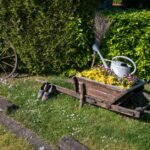
Landscape Gardening Buyer’s Checklist: Essential Items to Consider
Landscape gardening can transform your outdoor space into a beautiful extension of your home. Whether you’re a seasoned gardener or a beginner, knowing what to look for during your landscape gardening shopping spree is essential. The following checklist breaks down the critical items and considerations you should keep in mind as you create your dream landscape.
1. Plants and Shrubs
Choosing the right plants and shrubs is crucial for a successful landscape. Consider the following:
- Climate Compatibility: Ensure the plants you select are suitable for your local climate. Check plants’ hardiness zones, which are indicators of what will thrive in your area.
- Sunlight Needs: Assess the amount of sunlight in your garden. Some plants prefer full sun, while others thrive in shady spots.
- Watering Requirements: Look for drought-resistant varieties if you want low-maintenance options.
- Growth Size: Understand how large your plants will grow to avoid overcrowding in your garden.
2. Soil Quality
The foundation of any landscaping project is quality soil. Before you start planting:
- Soil Type: Test your soil’s type (clay, sandy, loamy) since each supports different plant needs.
- Nutrient Levels: Use a soil testing kit to check nutrient levels and pH balance. This helps you determine if you need to amend it.
- Drainage: Ensure your soil drains well. Poor drainage can lead to root rot and other plant health issues.
3. Hardscaping Elements
Hardscapes, such as patios, pathways, and retaining walls, complement your plants and contribute to the overall design.
- Materials: Choose durable materials like stone, brick, or concrete that can withstand weather conditions.
- Design and Layout: Plan a layout that fits your space and enhances walkability.
- Permits: Check local regulations to see if you need permits for certain projects.
4. Irrigation Systems
Efficient irrigation is essential for maintaining your landscape.
Get quote here: landscapegardeneredinburgh.com
- Types of Systems: Consider drip irrigation for efficiency or a sprinkler system for large areas.
- Automation: Automated timers can simplify your watering process, ensuring your plants receive the right amount of moisture.
5. Garden Tools
Investing in the right garden tools will make your landscaping project easier. Here’s a list of must-have tools:
- Hand trowel
- Pruning shears
- Garden rake
- Spade
- Wheelbarrow
6. Landscape Design Software
Utilizing landscape design software can help you visualize your ideas and create a blueprint of your layout. Some popular options include:
- SmartDraw – Easy-to-use diagram software.
- Landscape Perfection – Offers design tools specific for landscaping.
- Hortimax – An advanced tool focusing on horticulture and landscaping layout.
7. Mulch and Ground Covers
Applying mulch or ground covers can help retain soil moisture, suppress weeds, and improve the visual appearance of your landscape.
- Types of Mulch: Bark mulch, stone, or recycled rubber can serve different aesthetic and functional purposes.
- Ground Covers: Consider low-growing plants that fill spaces and reduce erosion.
8. Landscape Lighting
Proper lighting can enhance the beauty of your landscape. Key factors to consider include:
Get quote here: landscapegardeneredinburgh.com
- Types of Lights: Pathway lights, floodlights, and accent lights each serve different purposes.
- Energy Source: Solar lights are eco-friendly alternatives to traditional electrical lighting.
As you prepare to embark on your landscaping journey, keeping this landscape gardening buyer’s checklist handy will ensure you make informed decisions. Not only do these elements contribute to the beauty of your garden, but they also enhance the functionality of your outdoor space.
For more resources, you may want to visit Landscaping Network for in-depth guides and inspiration. Additionally, Gardeners.com offers a wide range of gardening tools and supplies tailored to your needs.
Key Factors to Evaluate When Choosing Plants for Your Garden
Creating a beautiful garden can bring joy and peace to your home. When selecting plants, it’s essential to consider various factors that will ensure a successful landscape. Knowing what to look for not only saves you time but also leads to a thriving garden full of vibrant life. Here are the key factors to evaluate when choosing plants for your garden.
Climate and Hardiness Zone
The climate in your area will significantly influence the types of plants that will thrive in your garden. Each plant has a hardiness zone that indicates which climates it can survive in. You can find your zone using resources like the USDA Plant Hardiness Zone Map. Select plants suited to your specific zone for the best results.
Get quote here: landscapegardeneredinburgh.com
Soil Type
Understanding your soil is crucial for successful gardening. Different plants have varied preferences when it comes to soil type. Here’s a quick guide:
- Clay Soil: Holds water well but may be heavy. Good choices include black-eyed Susans and willows.
- Sandy Soil: Drains quickly; opt for drought-resistant plants like lavender and succulents.
- Silty Soil: Rich and fertile; many plants thrive, including tomatoes and corn.
- Loamy Soil: A perfect mix; accommodates a wide variety of plants.
Sunlight Requirements
Plants vary in their sunlight needs. Understanding whether your garden gets full sun, partial shade, or full shade will help you choose the right plants:
- Full Sun: Requires at least 6 hours of sunlight daily; great for sunflowers and marigolds.
- Partial Shade: Needs 3-6 hours of sun; look for hydrangeas and ferns.
- Full Shade: Less than 3 hours of sunlight; consider hostas and impatiens.
Water Requirements
Some plants need consistent moisture, while others thrive on neglect. Assess the water needs of plants to avoid over or under-watering. Here’s how to categorize them:
- High Water Needs: Plants like ferns and certain flowering shrubs.
- Moderate Water Needs: Most vegetables and perennials like coneflowers.
- Low Water Needs: Drought-resistant plants like sedums and ornamental grasses.
Maintenance Level
Consider how much time you can dedicate to maintaining your garden. If you prefer low-maintenance plants, look for perennials like daylilies or ground covers like creeping thyme which require little care. If you enjoy gardening, annuals and vegetables may be more your style.
Get quote here: landscapegardeneredinburgh.com
Size and Growth Habit
Keep your garden’s layout in mind. Some plants grow tall, while others spread out. Ensure there’s enough space for plants to grow without overcrowding each other. Consider the mature size of plants and arrange them based on height and width for visual interest.
Color and Texture
Visual appeal is an important part of gardening. Think about the colors and textures you want to feature in your garden. Combining various plant types can create a vibrant palette. For instance, use bright flowers like zinnias alongside lush greenery like hostas to make a striking contrast.
Pest Resistance
Some plants are more susceptible to pests and diseases. Choose native or disease-resistant varieties whenever possible. This not only simplifies care but also supports local ecosystems. For a comprehensive list of pest-resistant plants, visit Iowa State University Extension and Outreach.
Seasonal Interest
To keep your garden looking lively all year, consider choosing plants that flower or show foliage in different seasons. For example, spring bulbs can bloom early, while evergreens maintain structure in winter. Mixing plants with varied blooming times will ensure your garden has year-round appeal.
Get quote here: landscapegardeneredinburgh.com
By evaluating these key factors thoroughly, you will find it easier to select the right plants for your landscape. Taking the time to understand what your garden needs will lead to flourishing results that enhance your outdoor living space and bring delight throughout the seasons. Happy gardening!
Understanding Different Soil Types and Their Impact on Your Landscape
Understanding different soil types is vital for successful landscape gardening. The type of soil you have in your garden directly impacts what plants will thrive, how well they grow, and the maintenance they require. By knowing the characteristics of various soils, you can create a vibrant and healthy outdoor space.
Types of Soil
There are several main types of soil, each with unique features. Here’s a closer look at the most common:
- Clay Soil: This soil type is dense and sticky when wet. It retains moisture but drains poorly. Plants that prefer moist conditions can thrive here, but others may suffer from root rot.
- Sandy Soil: Sandy soil drains quickly and warms up faster than other soils. It is low in nutrients and may require regular amendments to support plant growth.
- Silty Soil: This type of soil is smooth and holds moisture better than sandy soil. It’s rich in nutrients, making it ideal for a wide variety of plants.
- Loamy Soil: A combination of clay, sand, and silt, loamy soil is often considered the best type for gardening. It offers good drainage, nutrient retention, and supports healthy plant growth.
- Peaty Soil: Rich in organic matter, peaty soil retains moisture well. It tends to be acidic and is excellent for acid-loving plants.
Impact of Soil Types on Plant Growth
Each soil type has specific characteristics that influence plant growth:
| Soil Type | Water Retention | Nutrient Levels | Best Suited Plants |
|---|---|---|---|
| Clay | High | Moderate | Water lilies, ferns |
| Sandy | Low | Low | Succulents, cacti |
| Silty | Moderate | High | Vegetables, shrubs |
| Loamy | Moderate | High | Most plants, flowers |
| Peaty | High | Moderate | Blueberries, azaleas |
Understanding these differences allows gardeners to choose the right plants for their soil type, which can lead to better growth and less maintenance.
Get quote here: landscapegardeneredinburgh.com
Improving Your Soil
If you discover that your soil type isn’t ideal for the plants you want, don’t worry. There are ways to improve it:
- Amend with Organic Matter: Adding compost or well-rotted manure can improve nutrient content and structure.
- Improve Drainage: For clay soil, consider adding sand or perlite to enhance drainage capabilities.
- Retain Moisture: For sandy soil, incorporate peat moss or organic mulch to help retain moisture.
Test Your Soil
This is an essential step in landscape gardening. A soil test can help you understand pH levels and nutrient content. Many garden centers offer testing kits, or you can send a sample to a professional lab. This data will guide you in selecting the right amendments and plants.
For further reading on soil management, check resources from the Soil Science Society of America and the Cooperative Extension Service.
Arming yourself with knowledge about soil types and their characteristics will enable you to create a successful landscape garden tailored to your needs and preferences. So take the time to learn about your soil, and you’ll reap the rewards in your garden!
The Importance of Garden Design and Planning Before You Buy
When it comes to enhancing your outdoor space, the significance of effective garden design and planning cannot be overstated. Investing time and energy into the layout of your garden is essential before making any purchases. A well-thought-out design will not only beautify your property but also increase its functionality and value. Here’s why careful planning is crucial.
Get quote here: landscapegardeneredinburgh.com
Understanding Your Space
Before you buy any plants, tools, or garden furniture, take the time to examine your outdoor space. Consider the following factors:
- Size: Measure the area accurately to avoid overcrowding.
- Sunlight: Identify spots in your garden that get full sun, partial shade, or complete shade.
- Soil Type: Test your soil to understand its pH and nutrient levels, as this will determine what plants thrive.
- Climate: Your local climate affects plant choices and growing conditions.
Setting Clear Objectives
Think about what you want to achieve with your garden. Some common goals include:
- Creating a relaxing space for family gatherings
- Growing your own vegetables and herbs
- Designing an aesthetically pleasing landscape that attracts wildlife
- features like pathways, patios, or water elements
By defining your objectives, you can make more informed decisions on what to buy and where to place it.
Choosing the Right Plants
Once you have your space and objectives laid out, it’s time to choose plants that suit your garden’s conditions. Here are some factors to guide your selection:
Get quote here: landscapegardeneredinburgh.com
- Growth Habit: Consider whether plants will fit in the designated space as they mature.
- Maintenance Level: Choose low-maintenance plants if you have a busy lifestyle.
- Seasonal Interest: Opt for a mix of perennials and annuals for year-round beauty.
Your plant choices should align with your overall design and goals. For guidance, check out resources like Royal Horticultural Society.
Creating a Design Layout
A visual plan helps you see how everything will fit together. Start by sketching your garden layout on paper or digital design software. Consider these elements:
- Pathways: Design paths that guide visitors through your space.
- Focal Points: Create interest with statues, water features, or flower beds.
- Zones: Divide your garden into areas for relaxation, planting, or play.
Budgeting Wisely
Your garden dreams can come with a price tag, so it’s essential to set a budget early. Keep the following in mind:
- Factor in the costs of plants, soil amendments, tools, and garden furniture.
- Consider DIY options for landscaping features to save money.
- Visit local nurseries and garden centers for competitive pricing and deals.
Implementation and Maintenance
After planning, it’s time to implement your design. One way to simplify garden maintenance is through smart planting. Grouping plants with similar needs can save you time and effort. Tools such as drip irrigation systems and mulching can also help keep your garden thriving.
Get quote here: landscapegardeneredinburgh.com
For more information on garden maintenance strategies, visit Gardener’s Supply Company.
Adapting as You Grow
Remember that your garden is a living project. As seasons change, so can your vision for the space. Evaluate and adapt your plan regularly. Don’t hesitate to replace plants that don’t thrive or rearrange elements as your style evolves.
By investing in thoughtful garden design and planning, you set the stage for a flourishing outdoor space. Take your time to lay the groundwork, and you will be rewarded with a garden that is not only beautiful but also fulfilling for years to come.
Eco-Friendly Practices in Landscape Gardening You Should Embrace
Embracing eco-friendly practices in landscape gardening can significantly enhance your home’s outdoor environment, while also benefiting the planet. By adopting sustainable methods, not only do you contribute to a healthier ecosystem, but you can also create a beautiful, vibrant space for your family and friends. Below are several practices you can consider incorporating into your landscape gardening routine.
Choose Native Plants
Native plants are naturally adapted to your local climate and soil conditions. By selecting plants that thrive in your area, you reduce the need for excessive watering, fertilizers, and pesticides. Some advantages include:
- Lower maintenance requirements.
- Support for local wildlife.
- Improved soil health.
For more information on choosing native plants, visit Native Plant Wildflower.
Implement Water Conservation Techniques
Water is a precious resource, and conserving it is essential in eco-friendly gardening. Consider the following techniques:
- Drip Irrigation: This system delivers water directly to the plant roots, reducing waste.
- Rain Barrels: Collect rainwater from your roof to use in your garden.
- Mulching: Helps retain moisture in the soil, reducing the need for frequent watering.
For further tips on water conservation, check out Water Use It Wisely.
Utilize Organic Fertilizers
Fertilizing your garden using synthetic options can harm the environment. Instead, opt for organic fertilizers made from natural materials. They improve soil health, support plant growth, and prevent harmful runoff. Some examples of organic fertilizers are:
| Organic Fertilizer | Benefits |
|---|---|
| Compost | Enriches soil, improves drainage and moisture retention. |
| Bone Meal | High in phosphorus, promotes root development. |
| Fish Emulsion | Provides essential nutrients and encourages beneficial soil bacteria. |
Practice Composting
Composting is a fantastic way to recycle kitchen and garden waste. By composting, you can create nutrient-rich soil while reducing landfill waste. To start composting:
- Create a compost bin or pile in your yard.
- Add greens (nitrogen-rich materials) like fruit scraps, and browns (carbon-rich materials) like dried leaves.
- Turn the pile regularly and monitor moisture levels.
- In a few months, you’ll have rich compost ready for your garden!
Design with Sustainability in Mind
Your landscape design can also impact its eco-friendliness. Here are some design tips:
- Group Plants: Cluster plants that have similar water and sunlight needs.
- Pathways: Use permeable materials for walkways to allow water infiltration.
- Shade Trees: Plant trees strategically to provide shade and reduce heat in your garden.
Reduce Your Lawn Size
A traditional lawn requires significant resources to maintain. By reducing its size and incorporating diverse plants and gardens, you can save water and reduce maintenance. Consider alternatives like ground covers or wildflower gardens that provide beauty and support biodiversity.
By incorporating these eco-friendly practices into your landscape gardening, you will cultivate a stunning outdoor space while contributing to a healthier environment. Remember, every little effort counts toward sustainability. Discover more resources and tips on sustainable gardening at Ecological Gardening.
Tools and Equipment Every Landscape Gardener Needs
Landscape gardening can be an incredibly rewarding endeavor, allowing you to transform any outdoor space into a beautiful sanctuary. However, to do this effectively, having the right tools and equipment is essential. Here’s a detailed look at the must-have tools you’ll need to start your landscape gardening journey.
Get quote here: landscapegardeneredinburgh.com
Essential Hand Tools
Hand tools are the backbone of any landscaper’s toolkit. They are often lightweight, easy to use, and perfect for detailed work. Here are the hand tools you cannot do without:
- Garden Fork: Ideal for breaking up soil and aerating it, a garden fork is essential for improving drainage.
- Spade: Perfect for digging, a spade helps with planting and transplanting.
- Pruning Shears: Essential for maintaining the shape of plants, they allow you to trim back overgrown foliage.
- Hand Trowel: This is the go-to tool for planting small plants and flowers.
- Weeder: A weeder helps you remove stubborn weeds from your garden beds, keeping your landscape neat and tidy.
Power Tools for Bigger Tasks
For larger projects, power tools can save you a lot of time and effort. Here are some essential power tools for landscape gardening:
- Lawn Mower: A quality lawn mower is fundamental for keeping your grass trimmed and healthy.
- String Trimmer: Also known as a weed eater, this tool helps cut grass and weeds in areas that mowers can’t reach.
- Leaf Blower: Keeping debris off your pathways and lawn is crucial, especially during fall. A leaf blower makes this task easy.
- Rototiller: Perfect for breaking up tough soil, a rototiller prepares the ground for planting.
Safety Gear
Having the right safety gear is just as important as the tools themselves. Protecting yourself while working is vital:
- Gloves: Durable gardening gloves can protect your hands from cuts and blisters.
- Safety Glasses: These will shield your eyes from debris while you are using power tools.
- Ear Protection: Noise from power tools can be harmful, so earplugs or earmuffs are a good idea.
- Mask: Wearing a mask can protect you from dust and allergens, especially when mowing or tilling.
Soil and Plant Care Tools
Proper maintenance of soil and plants involves specialized tools dedicated to these tasks:
Get quote here: landscapegardeneredinburgh.com
- Soil Moisture Meter: This handy tool tells you when your plants need water.
- Garden Hose or Irrigation System: Proper watering is essential for plant health, so a good hose is necessary.
- Fertilizer Spreader: This tool helps distribute fertilizer evenly across your garden.
Storage and Transportation
Carrying your tools around and storing them properly is crucial for efficiency:
- Tool Belt: A tool belt keeps your most-used hand tools close at hand.
- Garden Cart: This can make transporting soil, plants, and equipment around your garden far easier.
- Storage Shed: Protect your tools from the elements by keeping them in a secure and dry space.
Where to Buy Your Tools
When looking to purchase tools and equipment for landscape gardening, consider visiting specialized retailers:
- Lowe’s – Offers a wide variety of gardening tools and equipment.
- Home Depot – A great place for both hand and power tools for gardeners.
- Gardener’s Supply Company – Specializes in high-quality gardening tools and accessories.
Equipping yourself with the right tools can make landscape gardening a success. With these essentials in hand, you can tackle your gardening tasks with confidence and enjoy the beauty of your outdoor space. Invest wisely in your tools, and remember that a well-equipped gardener is a successful gardener.
Budgeting for Your Landscape Gardening Project: Tips and Tricks
When planning a landscape gardening project, budgeting is a crucial step that can help you avoid overspending and ensure your vision becomes a reality. Creating a detailed budget allows you to manage costs effectively and make informed decisions throughout the process. Here are some valuable tips and tricks to keep in mind as you embark on your landscaping journey.
Determine Your Overall Landscaping Goals
Before diving into the numbers, take a moment to clearly define your landscaping goals. Consider what you want to achieve with your garden. Are you looking to create a relaxing outdoor space, a vibrant garden full of flowers, or a functional area for entertaining? Understanding your objectives can help guide your budget decisions.
Get quote here: landscapegardeneredinburgh.com
Research Costs
Gather information on the typical costs associated with different aspects of landscape gardening. Research the prices of plants, materials, equipment, and labor in your area. Websites such as HomeAdvisor can provide estimates and offer insights into average costs.
Prioritize Your Expenses
Not all features in your landscape garden will hold the same importance. Create a prioritized list of elements you want to include based on necessity:
- Essential items (e.g., soil, grass, tree planting)
- Moderately important features (e.g., flower beds, paths)
- Nice-to-have items (e.g., water features, sculptures)
This prioritization helps allocate your budget accordingly, ensuring that you won’t run out of funds for critical components.
Get Multiple Quotes
Don’t settle for the first estimate you receive. Instead, reach out to several landscape professionals to obtain quotes. This approach not only helps you compare prices but gives you an opportunity to understand the services included in their proposals. More options mean better chances of finding an affordable rate. Remember to ask for references and look for reviews on platforms like Yelp to gauge the quality of work.
Get quote here: landscapegardeneredinburgh.com
Consider DIY Options
If you’re inclined to take a hands-on approach, consider which tasks you can tackle yourself. DIY projects can significantly cut down on labor costs. Common DIY tasks include:
- Planting flowers and shrubs
- Building simple paths or patio areas
- Mulching flower beds
While some tasks might require skills and tools, many aspects of landscaping can be a fun learning experience.
Factor in Ongoing Maintenance
When budgeting, think beyond the initial setup. Ongoing maintenance costs vary based on your landscape design. Some expenses to consider include:
- Watering and irrigation systems
- Fertilizers and soil amendments
- Seasonal clean-up costs
Recognizing these future costs ensures you can sustain the beauty of your garden for years to come.
Get quote here: landscapegardeneredinburgh.com
Create a Contingency Fund
Even with the best planning, unexpected expenses often arise. To mitigate the stress that can come from sudden costs, set aside a contingency fund, typically around 10-20% of your total budget. This reserve allows for flexibility and helps you manage any unforeseen issues, such as pest infestations or damaged plants.
Track Your Spending
As the project unfolds, closely monitor your expenses. Use a simple spreadsheet or budgeting app to keep track of where your money is going. This allows you to make adjustments if necessary and prevents overspending. You can also revisit your priorities if you find yourself straying too far from your initial budget.
Finalize Your Plans
Once you have a solid budget, finalize your landscaping plans. Ensure you stick to your budget constraints while also allowing for flexibility where it counts. A well-thought-out plan will help you make the most of your garden space, ultimately leading to a beautiful landscape that suits your needs.
Budgeting for your landscape gardening project doesn’t have to be daunting. With careful planning and consideration of your desires and expenses, you’ll be well on your way to creating the outdoor sanctuary you’ve always wanted. For more information and resources, check out Gardenia.net for additional gardening tips and inspiration.
Key Takeaway:
When embarking on a journey to create your dream garden, having a comprehensive Landscape Gardening Buyer’s Checklist as your guide is vital. This checklist not only helps you stay organized but ensures you consider essential factors that will lead to a successful gardening experience. Let’s explore the key takeaways from the crucial topics that define effective landscape gardening.
Get quote here: landscapegardeneredinburgh.com
First and foremost, your checklist should include essential items that are specific to your gardening goals. From choosing the right plants to ensuring they complement each other, understanding various soil types is critical. Different plants thrive in specific soil conditions, and recognizing your garden’s soil type can significantly impact plant growth and health. Therefore, testing your soil and adding the right amendments will set a solid foundation for your landscape.
Moreover, garden design and planning are crucial steps that shouldn’t be overlooked before making any purchases. Having a clear vision or a plan in place can help you avoid impulse buys and ensure that everything fits harmoniously within your space. Think about layout, lighting, and aesthetics to create an enjoyable outdoor environment.
Embracing eco-friendly practices can also make a substantial impact. Not only do these practices benefit the environment, but they can also lead to a more sustainable garden. Consider native plants, rainwater harvesting, and organic gardening techniques to minimize your environmental footprint.
No garden project is complete without the right tools and equipment. Your checklist should include essential tools like shovels, pruners, and watering systems. Equipped with the right gear, you can easily tackle all your gardening tasks.
Get quote here: landscapegardeneredinburgh.com
Budgeting is a vital aspect that can often be overlooked. Planning your expenses ahead of time allows you to allocate funds wisely between plants, tools, and landscaping materials. budgeting tips can prevent overspending and help maximize the value of your investments.
A carefully crafted Landscape Gardening Buyer’s Checklist should encompass these key elements to help you cultivate a thriving garden. By focusing on essential items, understanding your plants and soil, prioritizing design planning, committing to eco-friendly practices, ensuring you have the right tools, and budgeting effectively, you’ll be well on your way to achieving landscape gardening success.
Conclusion
Successfully navigating your landscape gardening project requires careful planning and thoughtful consideration of various factors. By following the Landscape Gardening Buyer’s Checklist, you’ve equipped yourself with essential items that not only elevate your garden but also enhance your overall experience. Understanding key factors when choosing plants ensures that your garden flourishes in harmony with its environment. Different soil types play a significant role in plant growth, which is why it’s important to assess your soil conditions before making purchases.
Moreover, a solid garden design takes your vision and turns it into a tangible plan. Spending time on this step means you’re less likely to encounter costly mistakes later on. Embracing eco-friendly practices helps you create a sustainable garden that benefits both you and the ecosystem.
Equipping yourself with the right tools and equipment empowers you to tackle garden tasks efficiently and effectively. budgeting wisely for your landscape gardening project allows you to stay on track while fulfilling your gardening dreams.
Get quote here: landscapegardeneredinburgh.com
With these considerations in mind, you’re well on your way to creating a beautiful, thriving outdoor space. Whether you’re a novice gardener or a seasoned pro, this checklist will help guide you through the process, ensuring that your landscape not only looks great but also meets your practical needs and environmental goals. Happy gardening!