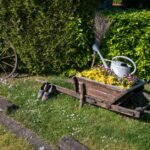
Garden Renovation Trends Driving Demand
As more homeowners seek to enhance their outdoor spaces, garden renovation has become a hot topic. Several trends are emerging, driving demand for creative and functional gardens. By understanding these trends, you can transform your outdoor area into a stunning retreat. Here are the key trends reshaping garden renovations in today’s market.
1. Sustainable Gardening Practices
With growing awareness of environmental issues, sustainable gardening is at the forefront of renovation trends. Homeowners are increasingly opting for eco-friendly practices, incorporating native plants, and reducing water usage. This approach not only helps the environment but also lowers maintenance costs. Features of sustainable gardens include:
- Rain gardens: These absorb rainwater, reducing runoff.
- Pollinator-friendly plants: Such as bee balm and lavender, which support local wildlife.
- Composting: To create nutrient-rich soil and reduce waste.
2. Outdoor Living Spaces
Homeowners are transforming their gardens into functional living areas. This trend encompasses outdoor kitchens, dining areas, and cozy lounges. Adding such spaces can increase your home’s value while improving your quality of life. Consider these popular features:
- Patios and decks: Ideal for social gatherings and relaxation.
- Fire pits: For warmth and ambiance on chilly evenings.
- Outdoor lighting: Enhancing safety and setting a mood.
3. Vertical Gardening
Vertical gardening is an innovative solution for small spaces. This trend allows you to grow plants upwards, maximizing your garden’s productivity without taking up much ground space. Popular vertical gardening options include:
Get quote here: landscapegardeneredinburgh.com
- Living walls: Panels featuring a variety of plants.
- Vertical planters: Such as wall-mounted pots or tiered systems.
- Hanging gardens: Perfect for herbs and small flowers.
4. Smart Garden Technology
Technology is making its way into the garden. Smart gardening devices can monitor plant health, automate watering, and even control lighting. This trend appeals to tech-savvy homeowners looking for convenience. Some popular smart gardening tools include:
- Smart watering systems: They adjust water levels based on the weather.
- Soil sensors: Monitoring moisture and nutrient levels.
- Automated lighting: For extending growing seasons or evening ambiance.
5. Personalized Garden Spaces
Today’s gardeners are looking for unique designs that reflect their personalities. Customization is driving demand for garden renovations. Homeowners are exploring bespoke planting designs and artisan garden furniture. Key elements include:
- Handcrafted features: Such as unique benches or sculptures.
- Themed gardens: E.g., Japanese Zen gardens or Mediterranean-inspired spaces.
- Colorful plant combinations: Bringing vibrancy and energy to outdoor spaces.
The Marketplace for Garden Renovation
The demand for garden renovations has created a bustling marketplace. Home improvement stores and local nurseries are expanding their offerings to cater to these trends. Moreover, services like garden design consultations are becoming more accessible. Many homeowners are seeking professional help to create their vision, which can lead to a remarkable budget increase for the renovation.
In closing, garden renovation trends reflect a desire for sustainability, functionality, and personal expression. As you consider updating your outdoor space, think about how these trends can meet your needs. Whether implementing eco-friendly practices or enhancing your outdoor living areas, these changes will drive demand while creating a beautiful garden to enjoy.
Get quote here: landscapegardeneredinburgh.com
If you’re interested in exploring more about garden renovations, check out Gardenista and Gardening Know How for expert tips and inspiration.
Eco-Friendly Landscaping Techniques
As more people become aware of environmental issues, they’re seeking eco-friendly landscaping techniques that not only beautify their outdoor spaces but also contribute to sustainability. Implementing these practices can reduce water usage, improve soil health, and promote biodiversity. Here are some of the top eco-friendly landscaping techniques you can consider for your garden.
Native Plant Landscaping
Utilizing native plants is one of the most effective ways to create an eco-friendly landscape. Native plants are adapted to your local climate, soil, and ecosystem. They require less water, less maintenance, and provide essential habitat for local wildlife, including birds and pollinators.
Benefits of native plants include:
- Low water requirement.
- Reduced need for fertilizers and pesticides.
- Supports local wildlife and ecosystems.
For more information on native plants, check out Plant Native.
Rain Gardens and Permeable Pavements
Rain gardens are designed to capture and utilize rainwater runoff, helping to filter pollutants before they reach water bodies. They are usually planted with a variety of native plants that thrive in wet conditions.
Permeable pavements, on the other hand, allow rainwater to infiltrate through surfaces instead of running off. This technique can minimize flooding, recharge groundwater, and prevent erosion.
Benefits of Rain Gardens and Permeable Pavements
- Reduces water pollution.
- Helps manage stormwater effectively.
- Improves soil health.
Learn more about rain gardens at EPA’s Official Website.
Composting and Soil Health
Improving soil health is vital for any garden. Composting organic waste creates nutrient-rich soil that reduces the need for chemical fertilizers. By maintaining healthy soil, you can grow vibrant plants that require less water and are more resistant to pests.
Tips for effective composting include:
- Use kitchen scraps, yard waste, and coffee grounds.
- Aim for a balance of greens (nitrogen-rich) and browns (carbon-rich).
- Turn the pile regularly for aeration.
If you’re interested in composting, check out Compost Guide for tips and resources.
Green Mulching
Mulching is an effective way to conserve moisture and suppress weeds in your garden. Eco-friendly mulching options include straw, grass clippings, and shredded leaves. These materials decompose over time, enriching the soil naturally.
Advantages of Green Mulching
- Reduces evaporation and conserves water.
- Improves soil fertility as it breaks down.
- Prevents the growth of weeds.
Water-Wise Gardening
In many regions, water scarcity is a growing concern. Water-wise gardening techniques aim to reduce water consumption while maintaining a healthy landscape. Here are some practices to consider:
- Install drip irrigation systems that deliver water directly to the roots.
- Group plants with similar water needs together.
- Opt for drought-tolerant plants that require less frequent watering.
Resources for Water-Wise Gardening
For additional information on water conservation techniques, visit Water Wise Tips.
Choosing eco-friendly landscaping techniques can significantly enhance your garden while benefiting the planet. By opting for native plants, implementing rain gardens, and practicing composting, you contribute to a healthier environment. Embracing these practices will not only make your garden more sustainable but also encourage a vibrant ecosystem.
The Rise of Vertical Gardens and Green Walls
The trend of vertical gardens and green walls is sweeping across urban landscapes, transforming how we perceive gardening and our relationship with nature. These living walls not only enhance aesthetic appeal but also act as a practical solution for maximizing space in densely populated areas. As cities continue to grow and green spaces become scarce, the rise of vertical gardens is driving a demand for innovative design solutions.
The Benefits of Vertical Gardens
Vertical gardens offer numerous advantages for both residential and commercial spaces. Here are some of the key benefits:
- Space Optimization: Vertical gardens make use of limited space, which is especially advantageous in urban environments where land is at a premium.
- Improved Air Quality: Plants naturally filter pollutants, which can enhance indoor and outdoor air quality significantly.
- Temperature Regulation: Green walls help insulate buildings, reducing the need for air conditioning and heating, leading to energy savings.
- Noise Reduction: The plant material absorbs sound, helping to reduce noise pollution in busy urban areas.
- Aesthetic Appeal: A vertical garden serves as a living artwork, adding color and life to bland walls.
Popular Styles and Designs
As the popularity of vertical gardens grows, so does the variety of styles available to suit different preferences and needs. Here are some trending designs you can consider:
Get quote here: landscapegardeneredinburgh.com
- Modular Systems: Easy to install and maintain, modular systems consist of pre-planted panels that can be arranged in numerous configurations.
- Hydroponic Systems: These soil-less systems use nutrient-rich water to cultivate plants, making them ideal for urban settings where soil conditions are poor.
- Freestanding Green Walls: Perfect for creating a focal point in any space, these walls do not require structural support from a building.
- Vertical Planters: Ideal for traditional gardening enthusiasts, these planters allow individuals to train climbing plants, herbs, or flowers upwards.
Essential Plants for Vertical Gardens
Choosing the right plants is crucial for a thriving vertical garden. Here’s a list of popular plants that adapt well to vertical living walls:
- Ferns: Their lush foliage adds greenery and thrives in both sun and shade.
- Succulents: Perfect for dry climates, succulents require little maintenance and watering.
- Climbing Vines: Varieties like ivy and jasmine create stunning visual impacts on green walls.
- Herbs: Fresh herbs such as basil and thyme not only provide culinary benefits but also infuse spaces with pleasant scents.
How to Create Your Own Vertical Garden
Establishing a vertical garden at home or in your office doesn’t have to be complicated. Follow these steps to get started:
- Select a suitable location with appropriate sunlight.
- Choose the right type of vertical garden system that fits your needs, whether it’s a soil-based or hydroponic setup.
- Pick plants that suit your environment and maintenance level.
- Set up a proper irrigation system to ensure your plants receive the necessary water.
- Regularly maintain your vertical garden by checking for pests, pruning, and watering as needed.
Trends and Innovations
The evolution of vertical gardens continues as sustainable practices become a priority for many individuals and communities. Key innovations driving this trend include:
- Smart Technology: The integration of sensors for moisture, temperature, and light helps in managing water and nutrients efficiently.
- Recyclable Materials: Eco-friendly materials are becoming popular for green wall structures, promoting sustainability.
- Collaboration with Artists: More artists are integrating living art installations into urban spaces which transform cities into vibrant ecosystems.
Vertical gardens in your space promotes health and well-being while contributing to environmental sustainability. To stay updated on the latest designs and innovations in vertical gardens, consider visiting Patrick Blanc’s Vertical Garden or Gardenista for more inspiration and insights. Embracing these living walls not only beautifies your surroundings but also nurtures a more sustainable and eco-friendly lifestyle.
Get quote here: landscapegardeneredinburgh.com
Outdoor Living Spaces: Creating Functional Areas
Transforming your outdoor space into a functional living area not only enhances your home’s aesthetic but also creates a welcoming environment for enjoying nature. Whether it’s a patio, deck, or garden, establishing outdoor living spaces allows you to extend your home beyond four walls. Let’s explore how to create functional areas that make the most of your outdoor spaces.
Identify Your Needs
The first step to designing your outdoor living area is to identify what you want to use it for. Consider asking yourself:
- Do you want a space for entertaining guests?
- Are you looking for a quiet area to relax and read?
- Would you like a place for family meals outdoors?
- Do you need a play area for children?
Understanding your primary goals will help guide your design decisions.
Designing Functional Outdoor Spaces
Creating distinct areas in your outdoor space can improve functionality. Here are some popular designs to consider:
Dining Areas
A dining area is perfect for enjoying meals in the open air. You can choose from:
Get quote here: landscapegardeneredinburgh.com
- Wooden picnic tables for a rustic feel
- Elegant wrought iron sets for a classic look
- Versatile folding furniture for limited spaces
Don’t forget shade elements like umbrellas or canopies to create a comfortable dining experience.
Lounging Zones
Set up a cozy lounging area with comfortable seating arrangements. Options include:
- Outdoor sofas with weather-resistant cushions
- Hammocks or hanging chairs for a relaxed vibe
- Fire pits to gather around on chilly evenings
Adding pillows and throws will make the space even cozier.
Gardening and Planting Areas
If you have a green thumb, set up designated gardening zones. Raised beds or container gardens can maximize space while allowing you to grow a variety of plants. Herbs, vegetables, or flowers can breathe life into your outdoor setting. Consider consulting local gardening resources for best practices based on your climate.
Get quote here: landscapegardeneredinburgh.com
Hardscapes
Hardscaping, which includes materials such as stone, wood, or concrete, is crucial for defining outdoor spaces. Here are some elements to consider:
- Patios: Create a solid foundation for dining or lounging areas.
- Walkways: Stone or gravel pathways can lead between areas, enhancing flow.
- Retaining walls: Useful for sloped backyards, these can define spaces while preventing erosion.
Add Elements of Comfort and Style
To truly enjoy your outdoor living spaces, consider adding comfort and style with decorative elements.
- Outdoor Rugs: These can create a defined area and add warmth.
- Lighting: Use string lights, lanterns, or built-in lighting to make your space usable in the evening.
- Outdoor Art: Sculptures or wall art can enhance aesthetics and personalize the space.
Utilize Smart Technology
Embrace modern technology to enhance convenience. Smart outdoor lighting systems can be integrated to adjust based on the time of day, while sound systems can create the perfect ambiance for gatherings. Consider investing in weather-resistant smart devices to control your space efficiently.
Maintaining Your Outdoor Spaces
To keep your outdoor living areas looking their best, regular maintenance is essential. This includes:
Get quote here: landscapegardeneredinburgh.com
- Cleaning furniture and rugs to prevent mold and mildew
- Trimming plants to maintain neatness
- Inspecting and repairing hardscapes to avoid potential hazards
Implementing these strategies will allow you to create functional outdoor living areas that align with your lifestyle and needs. Investing time and effort in design will yield beautiful, enjoyable spaces where you can relax, entertain, and connect with nature.
For more insights on outdoor living spaces, explore resources at Houzz for design ideas, and Gardening Know How for planting tips.
Seasonal Planting Trends for Modern Gardens
Planning a modern garden can be an exciting venture, especially when you consider the variety of seasonal planting trends available today. These trends allow you to create a vibrant and sustainable outdoor space that enhances your home while being kind to the environment. Here are some of the most popular seasonal planting trends shaping contemporary gardens.
Emphasis on Native Plants
One of the key trends in modern gardens is the focus on native plants. These plants are naturally adapted to the local climate and soil, making them easier to grow and maintain. By choosing native varieties, you can create a beautiful garden that also supports local wildlife. Examples might include:
- Black-eyed Susan
- Butterfly weed
- California poppy
This trend not only promotes biodiversity but also reduces the need for chemical fertilizers and pesticides, making your garden more eco-friendly.
Get quote here: landscapegardeneredinburgh.com
Drought-Tolerant Plants
As water scarcity becomes a pressing issue in many regions, drought-tolerant plants have gained popularity. These plants require less water and can thrive in dry conditions, making them perfect for the modern eco-conscious gardener. Consider integrating plants like:
- Sedums
- Lavender
- Echinacea
These plants not only retain moisture efficiently but also add a splash of color to your garden landscape.
Vertical Gardening
Space can be a challenge, especially in urban areas. Vertical gardening is a trend that maximizes limited space by allowing you to grow plants upwards rather than outwards. You can create stunning living walls or use innovative planters to add greenery to any space. Here are some plants ideal for vertical gardening:
- Climbing roses
- Vining vegetables like peas and tomatoes
- Foliage plants such as pothos or ivy
This trend not only optimizes your garden space but also creates beautiful focal points, enhancing your overall decor.
Get quote here: landscapegardeneredinburgh.com
Seasonal Color Schemes
Color schemes are key to modern garden aesthetics. Choosing a cohesive color palette for seasonal planting can enrich your garden design. For instance, selecting a vibrant color scheme for spring, such as pastel flowers or bright yellow blooms, can create a lively atmosphere. As seasons change, adjusting your garden’s color palette keeps it visually appealing year-round. Combine:
- Spring: Tulips, daffodils, and hyacinths
- Summer: Sunflowers, snapdragons, and zinnias
- Fall: Mums, asters, and ornamental grasses
Edible Landscaping
Integrating edible plants into your garden design is becoming a popular trend. This allows you to enjoy fresh fruits, vegetables, and herbs right from your backyard. You can design your garden in a way that is both beautiful and functional. For instance:
- Herbs in decorative pots
- Berry bushes as hedges
- Salsa gardens combining tomatoes, peppers, and cilantro
Edible landscaping not only provides nourishment but also encourages people to engage more with their gardens.
Use of Perennials
Planting perennials is a valuable trend for modern gardens. Unlike annuals, which need to be replanted each year, perennials return season after season. This means lower maintenance and reduced costs over time. Choose a mix of:
Get quote here: landscapegardeneredinburgh.com
- Hostas
- Daylilies
- Peegee hydrangeas
These are resilient plants that provide seasonal interest without the hassle of constant replanting.
Incorporation of Technology
Many gardeners now incorporate technology into their planting strategies. Smart watering systems, garden planning apps, and sensors for soil monitoring can enhance your gardening experience. Not only does this technology save you time, but it also helps you make data-driven decisions for optimal plant health.
Engaging with the latest gardening trends can help you create a space that not only looks great but also supports sustainability and our planet. Whether it’s through foundational choices like native plants or innovative ideas like vertical gardening, you have endless possibilities to explore.
For more detailed insights, tips, and trends on seasonal planting, check out Gardener’s Supply and eXtension.org.
Sustainable Materials in Garden Design
The world of garden design is blossoming with innovative ideas, especially as more people become aware of their environmental impact. Sustainable materials are at the forefront of these changes, driving a new trend in how gardens are created and maintained. If you’re considering a garden project, understanding these materials can help create a beautiful space that’s also eco-friendly.
Get quote here: landscapegardeneredinburgh.com
One of the main drivers behind the shift towards sustainable garden design is the push for reducing waste and conserving resources. By utilizing materials sourced responsibly, you can lessen your carbon footprint. Here are some popular sustainable materials that are making waves in garden design:
- Bamboo: A renewable resource that grows quickly and requires less water than traditional hardwoods. It’s versatile and can be used for fences, garden structures, and even furniture.
- Recycled Wood: Salvaged wood is not only eco-friendly, but it also adds character to your garden. Use reclaimed wood for decking, raised beds, or garden benches.
- Natural Stone: Sourced locally, stone can be used for pathways, walls, and decorative features. It has a long lifespan and blends beautifully with the natural landscape.
- Permeable Pavers: These allow water to seep through and reduce runoff, making them an excellent choice for driveways and walkways.
- Compost and Mulch: Using organic materials enriches your soil while minimizing waste. Compost enhances soil health, while mulch helps conserve moisture and suppress weeds.
Many homeowners are also looking for ways to incorporate sustainable practices into their garden design. Here are a few strategies you can apply in your own garden:
- Plan for Native Plants: Native plants require less water and are adapted to the local climate, reducing the need for fertilizers and pesticides.
- Water Conservation: Implement rainwater harvesting and drip irrigation systems to utilize water efficiently, reducing your water bill and environmental impact.
- Upcycle Materials: Get creative by repurposing items you already have. Old containers can become beautiful planters, and pallets can be transformed into vertical gardens.
Creating a garden that uses sustainable materials doesn’t mean sacrificing aesthetics. In fact, the blend of natural materials often results in stunning, harmonious spaces. Consider combining different textures and colors to create depth and interest in your garden. For example, you could pair the warmth of wood with the coolness of stone, creating a balanced and inviting atmosphere.
For those inspired to incorporate these ideas, there are abundant resources available. Websites such as TreeHugger offer countless tips and insights into sustainable garden design. You can also explore Gardening Know How for practical advice on how to implement sustainable materials effectively in your space.
Get quote here: landscapegardeneredinburgh.com
As more garden designers prioritize sustainability, being knowledgeable about materials can give you a unique advantage. Not only will you create a beautiful garden, but you’ll also contribute to a healthier planet. Keep in mind that sustainable gardening is an ongoing learning process—a journey you can enjoy each step of the way.
When selecting sustainable materials, always consider their lifecycle, from production to disposal. Choosing materials that are durable and easy to maintain can significantly enhance the lifespan of your garden. Additionally, staying updated with the latest trends in sustainable design will help you make informed decisions that reflect both your personal style and environmental values.
By embracing sustainable materials in your garden design, you actively participate in the global push for a greener planet. Your garden can be a sanctuary—a place of beauty, tranquility, and sustainability. The choices you make now will not only influence your immediate surroundings but also set an example for others in your community.
Technology in Gardening: Smart Tools and Applications
The world of gardening is evolving rapidly thanks to advancements in technology. Smart tools and apps are changing how we care for our plants, manage our gardens, and even how we landscape our outdoor spaces. You might be surprised by how these innovative solutions can enhance your gardening experience.
Smart Gardening Tools
From automated watering systems to GPS-guided lawn mowers, smart gardening tools are designed to make gardening easier and more efficient. Here are some key tools you might want to consider integrating into your gardening routine:
Get quote here: landscapegardeneredinburgh.com
- Smart Irrigation Systems: These systems use sensors to monitor soil moisture and weather data. They adjust watering schedules accordingly, saving water and ensuring your plants receive just the right amount. Brands like Rain Bird offer reliable options.
- Digital Soil Meters: Soil health is crucial for plant growth. Digital soil meters can provide real-time data on pH levels, moisture, and nutrient content. Check out LawnCare for various models.
- Smart Pest Control: These devices use sensors and tie into apps to monitor pests in your garden. Some even release beneficial insects to combat pests naturally.
Gardening Apps to Enhance Your Experience
Alongside smart tools, various apps are available that can transform your gardening approach. Here are some popular gardening apps:
- Garden Planner: This app allows you to plan out your garden with ease. You can track the growth of your plants, set reminders for watering, and learn about companion planting.
- Plant Identifier Apps: Apps like PlantNet can identify plants by taking a picture. This feature is handy for identifying weeds or unfamiliar species.
- Pest & Disease Identification: With apps like Plant Doctor, you can take a photo of any plant problem and receive immediate feedback and advice.
How Technology is Driving Demand
The surge in interest for smart gardening solutions can be attributed to several factors:
- Environmental Awareness: As more gardeners seek eco-friendly solutions, tech that helps conserve resources, like water, is in high demand.
- Urbanization: In cities where space is limited, smart gardening solutions allow for efficient use of small areas.
- Time Constraints: Many individuals lead busy lives, and smart tools help them manage their gardens more effectively, even with little time.
Benefits of Using Technology in Your Garden
Integrating technology into your gardening routines can reap numerous benefits:
| Benefit | Description |
|---|---|
| Increased Efficiency | Smart tools save you time and effort, allowing for better management of your garden. |
| Better Plant Health | Access to real-time data about your plants’ needs helps ensure they remain healthy and productive. |
| Environmental Impact | Smart tools often promote water conservation and sustainable practices. |
As technology advances, we can expect a continuous evolution in the tools and apps available for gardening. Embracing these innovations can make the gardening process not only simpler but also more enjoyable. If you’re ready to delve deeper into the integration of technology in gardening, websites like Gardena and Fora Gardening provide a wealth of information and cutting-edge products to explore.
Get quote here: landscapegardeneredinburgh.com
Regardless of your gardening experience level, technology offers something for everyone. It encourages innovation and efficiency, making gardening accessible and enjoyable for anyone, from novices to seasoned horticulturists. So why not explore these smart tools and apps to transform your gardening experience today?
Key Takeaway:
As we delve into the vibrant world of garden renovation, it becomes clear that several key trends are driving increased demand among homeowners and landscaping enthusiasts. One of the most significant themes emerging is the focus on eco-friendly landscaping techniques. Homeowners are becoming more conscious of their environmental impact, seeking ways to create beautiful spaces that also promote sustainability. This trend includes the use of native plants, which require less water and maintenance, and an emphasis on organic gardening practices that minimize chemical use.
Another exciting trend is the rise of vertical gardens and green walls. These innovative designs allow for more greenery in urban settings where space is limited. Vertical gardens not only beautify walls but also improve air quality, enhance biodiversity, and offer a unique aesthetic that can transform any outdoor space. As urban living continues to draw more people, these gardens are becoming a popular option for maximizing limited areas.
Additionally, outdoor living spaces are becoming increasingly important to homeowners. People want to create functional areas that can be enjoyed year-round. This includes outdoor kitchens, fire pits, and relaxation zones that seamlessly blend with nature. When these spaces are designed with sustainable materials, they not only look appealing but also last longer and contribute positively to the environment.
Seasonal planting trends have also evolved, encouraging homeowners to rethink their garden designs. Emphasizing plants that bloom at different times of the year ensures that gardens remain vibrant and engaging throughout all seasons.
Get quote here: landscapegardeneredinburgh.com
Moreover, technology is playing a transformative role in gardening. Smart tools and applications are making it easier for individuals to manage their gardens efficiently. From automatic watering systems to gardening apps that provide weather updates and care reminders, technology is making gardening more accessible and enjoyable.
The trends driving garden renovation demonstrate a clear shift toward sustainability, innovation, and functionality. By embracing these trends, you can transform your outdoor space into a beautiful, eco-conscious haven that is not only aesthetically pleasing but also beneficial for the earth. The future of gardening is bright, and these driving forces are certainly shaping how we connect with our green spaces.
Conclusion
As we look toward the future of garden renovation, it’s clear that several exciting trends are shaping how we interact with and design our outdoor spaces. Eco-friendly landscaping techniques are becoming more mainstream, allowing you to create a lush garden while minimizing environmental impact. The popularity of vertical gardens and green walls speaks to our need for innovative solutions in urban environments, maximizing space while enhancing aesthetics.
Creating outdoor living spaces has transformed how families use their gardens, turning them into functional areas for entertaining and relaxation. Seasonal planting trends ensure that your garden remains vibrant all year round, adding dynamic beauty and encouraging personal expression. Moreover, the shift to sustainable materials in garden design reflects a growing consciousness about resource conservation, helping you create beautiful spaces that are also kind to the planet.
Technology is seamlessly integrating into gardening practices, with smart tools and applications now available to help you maximize efficiency and connectivity. These advancements not only simplify gardening tasks but also help you stay in tune with your plants’ needs.
Get quote here: landscapegardeneredinburgh.com
Each of these trends caters to a modern audience eager for both beauty and sustainability. Embracing these developments in your garden renovation project not only enhances your outdoor experience but also contributes positively to the environment. By blending creativity with ecological awareness, you can create a garden that not only captivates the eyes but also nourishes the earth. Transforming your space in these ways will undoubtedly increase its value, ensuring you make a wise investment for years to come.