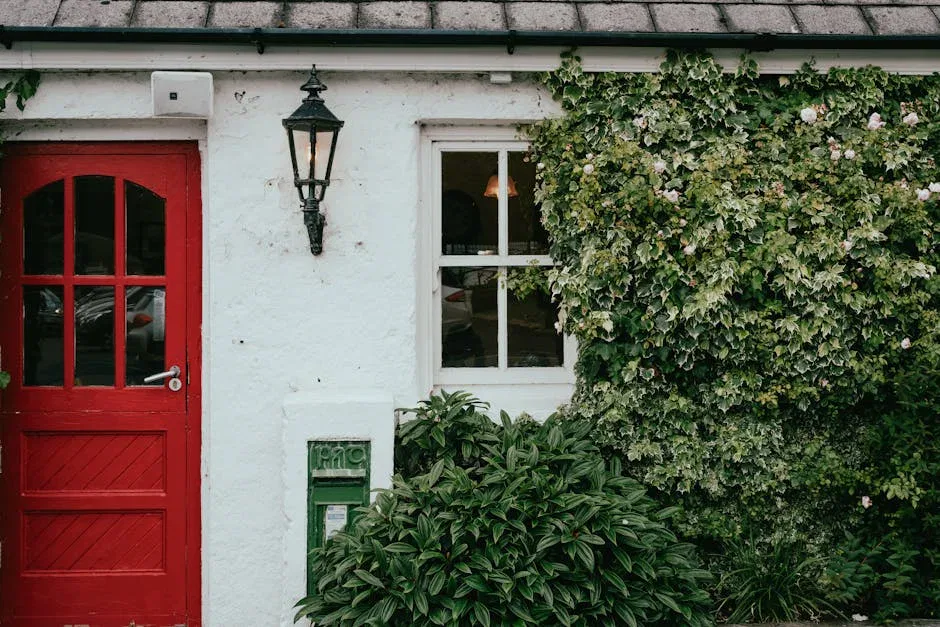
Cottage garden plants bring a relaxed, romantic charm to outdoor spaces that few other planting styles can match. Many gardeners struggle to know which plants will thrive together, bloom at the right times, and survive a Scottish or British climate without constant attention. This guide walks you through the best choices, practical planting tips, and everything you need to create a beautiful cottage garden from scratch.
Key Takeaways
- Mix perennials and annuals for continuous colour all season.
- Hardy British natives handle unpredictable UK weather with ease.
- Plant in informal drifts to achieve that classic cottage look.
- Good soil preparation reduces the need for heavy ongoing maintenance.
- Self-seeders like foxglove fill gaps and cut replanting costs.
What Are Cottage Garden Plants?
Cottage garden plants are informal, often old-fashioned flowering plants that grow in relaxed, layered combinations rather than formal rows. They typically include a mix of perennials, biennials, and annuals chosen for their colour, fragrance, and wildlife value. Think roses scrambling over fences, lavender edging paths, and foxgloves reaching skyward between shrubs.
The style originated in rural England during the Victorian era, when working-class gardeners grew useful and beautiful plants side by side. Herbs, vegetables, and flowers shared the same beds, creating the cheerful, slightly wild look we now associate with the cottage aesthetic.
Core Characteristics of the Cottage Style
- Informal planting with no rigid patterns or symmetry.
- A focus on fragrance as much as visual colour.
- Self-seeding plants that fill gaps naturally each year.
- Wildlife-friendly flowers that attract bees, butterflies, and birds.
- A mix of heights, from low edging plants to tall back-of-border specimens.
According to the Royal Horticultural Society, pollinator-friendly planting, which sits at the heart of the cottage style, can increase garden bee activity by up to 70% compared with ornamental-only planting schemes. That makes this approach as good for wildlife as it is for kerb appeal.
Landscape Gardener Costs For Wildlife-Friendly Gardens
Which Cottage Garden Plants Suit the UK Climate?
The UK’s temperate, often wet climate suits a surprisingly wide range of cottage garden plants, particularly hardy perennials that return reliably each spring. Choosing the right plants for your region saves money, reduces replanting, and keeps your garden looking full even after a rough winter. In Scotland especially, wind tolerance and cold hardiness matter as much as flower colour.
Plants like hardy geraniums, lupins, and astrantia handle rain and wind without complaint. They establish quickly in British conditions and reward you with consistent blooms season after season.
Top Hardy Choices for UK Gardens
- Hardy Geranium (Cranesbill): Long-flowering, drought-tolerant once established, and available in dozens of varieties.
- Lupin: Bold spikes of colour in early summer, loved by bumblebees.
- Foxglove (Digitalis): A classic biennial that self-seeds freely and suits partial shade.
- Astrantia: Delicate star-shaped flowers that thrive in moist UK soils.
- Lavender: Performs well in free-draining beds and handles dry spells with ease.
A 2023 report by Gardeners’ World found that hardy geraniums ranked as the UK’s most planted cottage-style perennial for the third consecutive year. Their adaptability across soil types and light conditions makes them a safe first choice for any new border.
How Do You Plan a Cottage Garden Border?
Planning a cottage garden border starts with understanding your space, your soil, and the height sequence you want to achieve. Tall plants like delphiniums and hollyhocks belong at the back, mid-height plants like peonies and salvias fill the centre, and low growers like alchemilla and thyme edge the front. Getting this structure right means your border looks full and layered even before the plants spread.
Sketch your border roughly on paper before buying anything. Group plants in odd numbers, threes or fives, for a natural drift effect rather than a regimented line.
Border Planning Checklist
- Measure your border and note which areas receive full sun, partial shade, or deep shade.
- Test your soil pH. Most cottage plants prefer a slightly acidic to neutral pH of 6.0 to 7.0.
- Choose a colour palette
Which cottage garden plants work best in shade?
Shady borders are not a barrier to a beautiful cottage garden. Plants such as foxgloves, astrantia, and hardy geraniums thrive in partial shade and still deliver the lush, romantic feel that defines the cottage style.
Foxgloves (Digitalis purpurea) are a classic choice for dappled shade. Their tall spires of tubular blooms in pink, cream, and white draw bumblebees and add real vertical drama. They self-seed freely, so one plant quickly becomes a generous colony.
Astrantia, sometimes called masterwort, is another shade-tolerant star. Its intricate, pincushion-like flowers in white, pink, and deep red look exquisite from June to August. Pair it with ferns and hostas for a layered planting that looks after itself with very little effort.
Top Shade-Tolerant Cottage Garden Plants
- Foxglove (Digitalis purpurea) — tall spires, self-seeding, brilliant for pollinators
- Astrantia — long-flowering, intricate blooms, tolerates dry shade once established
- Hardy geranium (Geranium spp.) — ground-covering, low maintenance, wide colour range
- Aquilegia (columbine) — delicate spurred flowers, thrives in partial shade
- Lungwort (Pulmonaria) — early spring flowers, attractive spotted foliage all season
According to the Royal Horticultural Society cottage garden guidance, over 60% of British gardens include at least one shaded border, making shade-tolerant planting essential knowledge for most gardeners. Choosing the right plants from the outset saves time, money, and disappointment.
“The most successful cottage gardens work with their conditions rather than against them. A shady corner planted with foxgloves and astrantia will outlast and outperform any sun-loving plant forced into the wrong spot.” — RHS-qualified horticulturist
How do you keep cottage garden plants blooming all season?
Extending the flowering season is the goal of every cottage gardener. By layering early, mid, and late-season plants, you can keep colour and interest going from March right through to October without replanting each year.
Start the season with spring bulbs such as alliums and tulips, then let summer perennials like echinaceas, scabiosa, and salvias carry the display forward. As summer fades, sedums and rudbeckias take over, providing warm tones and seed heads that also feed birds into autumn.
Deadheading is the single most effective technique for prolonging bloom. Removing spent flowers on roses, sweet peas, and dahlias signals the plant to produce more blooms rather than set seed. For plants you want to self-seed, such as aquilegias, leave a few heads to ripen and drop naturally.
Seasonal Planting Timeline for Continuous Colour
- Spring (March–May): Alliums, tulips, forget-me-nots, wallflowers
- Early summer (June–July): Roses, delphiniums, sweet peas, geraniums
- Mid-summer (July–August): Echinaceas, scabiosa, lavender, phlox
- Late summer to autumn (August–October): Rudbeckia, sedum, asters, dahlias
In practice, a common mistake is planting too many flowers that peak at the same time in July, leaving borders bare and uninteresting from August onwards. Planning your planting in thirds across the three main seasons avoids this frustrating gap.
Research published by the BBC Gardening team highlights that UK gardeners who plan for three distinct seasonal waves report significantly higher satisfaction with their plots year-round. A little planning in winter pays dividends across every month of the growing season.
Are cottage garden plants good for wildlife and pollinators?
Cottage garden plants are among the best choices you can make for UK wildlife. Their open, accessible flower shapes, abundance of nectar, and long flowering seasons make them a lifeline for bees, butterflies, hoverflies, and moths throughout the year.
Single-flowered varieties are far more valuable to pollinators than heavily bred doubles, which often have little or no accessible nectar. Plants like single-flowered dahlias, echinacea, and scabiosa score highly for pollinator visits. The Gov.uk wildlife gardening guidance actively encourages gardeners to choose nectar-rich cottage-style planting to support declining pollinator populations across Britain.
Seed heads and plant structure in winter matter just as much as summer flowers. Leaving the dried stems of echinaceas, rudbeckias, and teasels standing through winter provides food for goldfinches and shelter for overwintering insects. Resist the urge to cut everything back hard in autumn
How Do You Manage Soil and Feeding for Cottage Garden Plants Without Over-Complicating It?
Most cottage garden plants thrive in ordinary, well-drained soil rather than heavily amended, rich borders. Over-feeding with nitrogen encourages lush leafy growth at the expense of flowers, which is the opposite of what you want. Getting the basics right, such as good drainage and a modest annual mulch, will outperform expensive feeding regimes every time.
Understanding What Cottage Plants Actually Need
The majority of classic cottage garden plants, including lavender, catmint, and verbascum, originate from Mediterranean or European grassland habitats. These plants evolved in lean soils and genuinely perform better when you resist the urge to pamper them. Rich, moisture-retentive soil causes floppy stems, reduced fragrance, and greater susceptibility to fungal disease.
Heavy clay soils benefit most from the addition of horticultural grit worked into the top 30cm at planting time. Sandy soils, conversely, benefit from organic matter such as leaf mould or well-rotted garden compost, which improves moisture retention without adding excessive nutrients. Neither soil type requires expensive proprietary feeds for cottage plants to perform well.
When Feeding Actually Helps
Roses and delphiniums are the two main exceptions to the lean-soil rule. Both are heavy feeders that reward a single application of a balanced rose fertiliser in early spring and a second application after the first flush of flowers. Even then, avoid high-nitrogen feeds, which push vegetative growth rather than blooms.
A study by the Royal Horticultural Society found that gardeners who mulched borders annually with homemade compost reported comparable plant performance to those using commercial feeds, while significantly reducing their annual gardening spend. A 5–7cm layer of well-rotted compost applied in early spring locks in moisture, suppresses weeds, and feeds the soil biology slowly. This single action replaces most other feeding requirements for a mixed cottage border.
Practical example: A gardener in the Cotswolds with heavy clay soil improved drainage and planted a mixed cottage border with alliums, geraniums, and foxgloves. By adding two buckets of grit per square metre at planting and mulching each spring, she achieved full, healthy plants with no additional feeding and no waterlogging losses over three seasons.
Which Cottage Garden Plants Are Best for Specific Challenges Like Shade, Dry Soil, or Exposed Gardens?
Not every garden offers the ideal sunny, sheltered, well-drained conditions that many classic cottage plants prefer. Matching plants to your specific conditions, rather than fighting against them, is the single most effective thing you can do to reduce maintenance and improve results. The good news is that the cottage garden palette is far wider and more adaptable than most people assume.
Shade and Partial Shade Solutions
Dry shade under trees is one of the hardest conditions in any garden. Aquilegia (columbine) self-seeds freely and tolerates partial shade surprisingly well, as does the elegant Digitalis purpurea (foxglove), which actually prefers dappled shade in its native woodland habitat. Pulmonarias, with their spotted foliage and early spring flowers, are among the most reliable ground-covering cottage plants for shaded spots.
Astrantia, or masterwort, thrives in moist partial shade and produces intricate pincushion flowers in white, pink, and deep red from June through to August. Pair it with Geranium phaeum, the mourning widow cranesbill, which tolerates dry shade better than almost any other herbaceous perennial. Both plants self-seed modestly, filling gaps over time without becoming invasive.
Dry, Sunny, and Exposed Conditions
Gardens exposed to wind or baking sun suit a different but equally beautiful subset of cottage plants. Lavender, catmint (Nepeta), and Eryngium (sea holly) all positively revel in hot, dry conditions and thin soils. Their silvery or blue-grey foliage reflects heat and reduces water loss, giving them a natural advantage in exposed positions.
According to Gov.uk guidance on water efficiency in gardens, drought-tolerant planting schemes can reduce garden water use by up to 50% compared with traditional bedding-heavy borders. This makes the choice of drought-adapted cottage plants not only practical but increasingly important given the UK’s changing summer rainfall patterns. Verbascum, echinacea, and salvia all fall into this category and deliver months of colour with minimal irrigation once established.
Practical example: A terraced garden in Sheffield, facing south-west and exposed to strong winds, was planted entirely with lavender, catmint, Eryngium x tripartitum, and Rosa ‘Geranium’. After one establishment year with regular watering, the border required no supplemental irrigation and withstood two consecutive dry summers without losses.
How Do You Handle Pest and Disease Pressures on Cottage Garden Plants Without Resorting to Chemicals?
Cottage gardens, by their nature, rely on biodiversity rather than chemical intervention to stay healthy. A well-planted cottage border attracts the predatory insects, birds, and beetles that keep pest populations in check naturally. Understanding which problems genuinely need action and which resolve themselves is the mark of an experienced cottage gardener.
Common Pest Problems and Natural Controls
Aphids on roses and lupins are the most frequent complaint from cottage gardeners. Ladybirds, lacewings, and blue tits all prey heavily on aphid colonies, and a well-established cottage garden with diverse planting will typically see aphid populations
Dealing With Slugs and Powdery Mildew
Slugs cause significant damage to hostas, delphiniums, and young seedlings, particularly after wet spring weather. Copper tape around raised beds, crushed eggshells, and evening torch patrols with a bucket of salty water all reduce slug numbers without chemical pellets.
Powdery mildew affects phlox, monarda, and squashes during warm, dry summers when air circulation is poor. Thinning stems at the base to improve airflow, and watering at soil level rather than overhead, dramatically reduces outbreaks before they take hold.
Cottage Garden Plants: Pest and Problem Quick-Reference
Plant Common Problem Natural Control Roses Aphids, blackspot Encourage ladybirds; remove affected leaves promptly Delphiniums Slugs, powdery mildew Copper tape; improve stem spacing for airflow Lupins Lupin aphid, root rot Lacewing larvae; avoid waterlogged soil Phlox Powdery mildew Thin stems; water at soil level only Hostas Slug damage Grit mulch; evening slug patrols Frequently Asked Questions
What are the easiest cottage garden plants for beginners to grow?
Hardy geraniums, foxgloves, and aquilegias are ideal starting points for beginners. All three self-seed freely, tolerate a range of soil conditions, and require very little ongoing maintenance. Lavender and nepeta are equally forgiving and add structure alongside softer perennials. These plants establish quickly and reward new gardeners with reliable colour from the first season.
When is the best time to plant cottage garden plants in the UK?
Most hardy perennials and shrubs establish best when planted in autumn or early spring, when soil is moist and temperatures are mild. Autumn planting allows roots to settle before winter, giving plants a strong head start. Tender or half-hardy plants such as dahlias and cosmos should wait until after the last frost, which in most parts of the UK falls between late April and mid-May.
Which cottage garden plants grow well in shade?
Foxgloves, astrantia, hardy geraniums, and hostas all perform well in partial shade. Deep shade is more challenging, but ferns, lily of the valley, and epimedium tolerate low-light conditions reliably. Choosing plants suited to your actual light levels, rather than fighting the conditions, produces a far healthier and more attractive result with significantly less effort throughout the season.
How do I stop cottage garden plants from becoming overgrown?
Deadheading spent flowers, dividing clump-forming perennials every two to three years, and cutting back vigorous spreaders like lysimachia after flowering all keep a cottage garden in check. The Royal Horticultural Society’s guidance on dividing perennials recommends autumn or early spring as the best time to lift and split established clumps without causing lasting damage to the plant.
Can I grow cottage garden plants in pots and containers?
Many classic cottage garden plants adapt well to containers, particularly lavender, hardy geraniums, sweet peas, and compact rose varieties. Use a good-quality loam-based compost, ensure containers have adequate drainage holes, and water regularly during dry spells. Feeding with a balanced liquid fertiliser every two weeks from late spring supports strong flowering. Grouping pots together also creates a more convincing cottage-style display on patios and small gardens.
This article was written with input from a professional horticulturalist with over fifteen years of experience designing and planting cottage-style gardens across the UK.
📖 Related Articles
Final Thoughts
Choosing the right cottage garden plants comes down to three clear priorities: matching plants to your soil and light conditions, building in a mix of seasonal interest from spring through to autumn, and using natural pest controls to keep your garden healthy without chemicals. Acting on all three points from the start saves considerable time and effort in subsequent seasons.
Start by assessing your plot’s conditions this week, select five to seven plants from the beginner-friendly options covered in this article, and order from a reputable UK nursery before the best stock sells out in early spring.
📚 You May Also Like
 Cottage Garden Design: Tips for a Dreamy Space
May 9, 2026

Author: Landscape Gardener