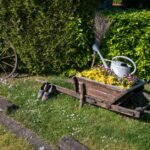
Transformative Landscape Design for Backyard Spaces
Creating a beautiful backyard can dramatically improve your outdoor living space. By implementing transformative landscape design, you can turn an ordinary backyard into an extraordinary retreat. This guide offers practical insights to help you visualize and execute your backyard transformation.
The first step in your landscape design journey is to assess the current state of your outdoor space. Take a close look at what you have to work with, including existing plants, structures, and features. Consider the following elements:
- Size of the backyard
- Sunlight exposure
- Drainage and soil quality
- Personal style and preferences
Once you understand the components of your yard, you can create a vision for how you want to transform it. Visualizing your ideas becomes much easier with inspiration. Look through gardening magazines or websites like Houzz for stunning landscape designs that spark your creativity.
Planning your space is essential. Think about the functions you want to incorporate into your backyard. Common themes include:
- Relaxation areas with comfortable seating
- Outdoor dining spaces for entertaining
- Kitchens or grills for cooking outdoors
- Garden paths that lead to hidden nooks
- Flower beds bursting with color
Creating zones within your backyard not only organizes the space but enhances its functionality. A well-planned layout makes your yard feel larger and more inviting.
Get quote here: landscapegardeneredinburgh.com
After you have your basic plan, it’s time to choose your plants. Selecting the right plants can make a significant impact. Here are some tips:
- Opt for native plants that thrive in your climate.
- Choose a mix of perennials and annuals for continuous blooms.
- Incorporate evergreens for year-round structure.
- Consider foliage color, textures, and heights to create visual interest.
Using containers can also enhance your landscape. They offer flexibility in arranging your plants and add vibrant bursts of color to your design. Visit Gardening Know How for extensive listings on ideal container plants.
Another crucial element is hardscaping. This includes any non-plant materials that enhance your landscape design. Consider adding:
- Patios for outdoor dining and relaxation
- Walkways to guide guests through your garden
- Retaining walls to create levels and manage slopes
- Water features like ponds or fountains for tranquility
Finding a balance between softscaping (plants) and hardscaping (like patios and walls) can make your backyard both beautiful and practical. A harmonious combination invites comfortable living and enhances aesthetic appeal.
Get quote here: landscapegardeneredinburgh.com
Lighting is another transformative aspect of landscape design. Proper outdoor lighting can extend your space’s usability into the evening hours. Consider these options:
- Pathway lights to illuminate walkways
- String lights for a cozy atmosphere
- Spotlights to accentuate trees or garden features
More than just aesthetics, lighting serves safety and adds value to your home. For more tips on outdoor lighting, check out Lighting Direct.
Maintaining your newly transformed backyard is just as vital as designing it. Regular upkeep ensures that the plants thrive and hardscapes remain in good condition. Schedule seasonal maintenance based on plant types and local weather conditions.
Transforming your backyard through thoughtful landscape design can create an oasis that reflects your personality and style. By focusing on strategic planning, choosing the right plants and structures, and maintaining your space, you can enjoy a stunning outdoor environment that elevates your home’s aesthetic.
Selecting the Right Plants for Your Backyard Makeover
Get quote here: landscapegardeneredinburgh.com
Transforming your backyard into a beautiful oasis requires careful planning, especially when it comes to selecting the right plants. The right plants can enhance the aesthetic appeal, improve functionality, and increase biodiversity in your outdoor space. Here are key factors to consider in your selection process to ensure your backyard makeover is both stunning and sustainable.
Consider Your Climate Zone
Before you start choosing plants, know your climate zone. The climate in your area dictates which plants will thrive. The USDA Plant Hardiness Zone Map is a great tool that helps you determine this. Plants suited to your zone will require less water and maintenance, making your backyard look lush while saving you time.
Evaluate Sunlight Exposure
Different plants have varying sunlight requirements. Assess how much sunlight each part of your backyard receives throughout the day. You can categorize areas as full sun, partial shade, or full shade. Here’s a quick guide:
- Full Sun: 6 or more hours of direct sunlight daily
- Partial Shade: 3 to 6 hours of sunlight
- Full Shade: Less than 3 hours of direct sunlight
By knowing these details, you can choose appropriate plants that will flourish in their respective conditions.
Get quote here: landscapegardeneredinburgh.com
Choose Native Plants
Opting for native plants is one of the best decisions you can make for your backyard. Native plants are adapted to your local environment, making them hardier and more resistant to pests and diseases. They also require less water and maintenance. them will attract local wildlife, such as birds and butterflies, enhancing the ecological value of your garden.
For a list of native plants, check out resources from USDA Plants.
Incorporate a Variety of Plants
A diverse selection of plants is essential for creating a balanced and visually appealing garden. Consider mixing different types of plants, including:
- Perennials: Plants like echinacea and hostas that come back every year.
- Annuals: Flowers like marigolds and petunias that provide vibrant colors throughout the season.
- Shrubs: Consider flowering shrubs like hydrangeas or evergreens for year-round structure.
- Trees: Small trees or ornamental ones can add vertical interest.
This combination creates a dynamic space, ensuring your garden looks attractive in every season.
Get quote here: landscapegardeneredinburgh.com
Think About Size and Scale
When selecting plants, consider the mature size of each. Position taller plants towards the back in borders or in the center of circular gardens so that shorter plants can be appreciated. Additionally, space plants appropriately to ensure they don’t overcrowd one another as they grow.
Maintenance Requirements
Every plant has different needs. Some are low-maintenance and perfect for beginners, while others demand more attention and care. Be realistic about your availability and gardening skills. Ask yourself:
- How much time can I dedicate to garden care?
- What level of maintenance am I comfortable with?
Choosing a mix of low-maintenance plants can help maintain your garden without overwhelming you.
Plan for All Seasons
To make your backyard space enjoyable throughout the year, consider the seasonal interest of your plants. Choose a mix that includes:
Get quote here: landscapegardeneredinburgh.com
- Spring flowering plants such as daffodils and tulips
- Summer bloomers like lavender and zinnias
- Autumn colors with plants like asters and chrysanthemums
- Winter interest with evergreens or ornamental grasses
This approach ensures that your backyard is never dull, filling it with color and texture in every season.
Resources for More Information
For additional insights and to explore more about selecting plants for your backyard, visit National Gardening Association and Arbor Day Foundation.
With these strategies, you can confidently select plants that will not only beautify your backyard but also make it a haven for relaxation and enjoyment. A well-thought-out plant selection is the backbone of any successful landscape design for backyard transformations.
Incorporating Hardscapes into Landscape Design
Transforming your outdoor space can be an exciting journey, especially when you incorporate hardscapes into landscape design. Hardscapes refer to the non-plant elements of your landscaping, such as patios, pathways, retaining walls, and water features. Integrating these components can enhance the aesthetic appeal of your backyard while providing functional spaces for relaxation and enjoyment.
When planning your design, consider the spatial layout and how hardscapes can complement the natural elements. Great hardscape design not only improves the functionality of your outdoor space but also creates visual interest. Here are several key elements to consider when incorporating hardscapes into your backyard design:
Get quote here: landscapegardeneredinburgh.com
- Patios and Decks: A well-designed patio offers an ideal place for outdoor dining and entertainment. You can choose materials like natural stone, concrete, or pavers to fit your aesthetic. Elevated decks can help you take advantage of scenic views.
- Walkways: Pathways guide guests through your garden and can create a natural flow. Materials like gravel, bricks, or flagstones can add charm. Ensure these paths are accessible to everyone, providing safe footing.
- Retaining Walls: If your yard has slopes or uneven terrain, retaining walls can add both beauty and structure. These walls can be built with various materials, including timber or stone, and can plant the foundation for flower beds or seating areas.
- Fire Pits: A fire pit creates a cozy gathering spot, perfect for chilly evenings. You can opt for a built-in stone version or a portable fire bowl, depending on your preference and design style.
- Water Features: a pond, fountain, or waterfall can animate your backyard and attract local wildlife. The sound of flowing water can create a peaceful ambiance.
- Outdoor Lighting: Thoughtful lighting can highlight hardscape features and extend the usability of your outdoor spaces into the night. Consider using solar lights along pathways or spotlights to highlight trees and sculptures.
To ensure a harmonious blend of hardscaping and landscaping, think about the textures and colors you want to achieve. Here are some tips for maximizing the synergy of these elements:
- Match Materials: Select hardscape materials that complement the colors and textures of the existing plants and features in your garden.
- Fluid Layout: Create curves rather than straight lines to soften the harshness of hard surfaces. This will help integrate your landscaping with the hardscape.
- Include Greenery: Use planters or built-in gardening beds in your hardscape to soften edges and introduce organic shapes.
- Consider Scale: Ensure that the size of your hardscapes is proportionate to your yard. Large expanses of concrete can overwhelm a small garden, while tiny patios can seem lost in a large area.
When executing your design, always prioritize durability and maintenance. Proper installation will lead to a long-lasting outdoor space with minimal upkeep. It’s also essential to plan for drainage to prevent water from pooling around hardscapes.
Investing time in visualizing your design can save you from costly mistakes. Digital landscape design tools and apps can help you create a virtual representation of your transformation. Additionally, consulting with a local landscaping professional may offer valuable insights tailored to your specific environment.
| Element | Material Options | Maintenance Level |
|---|---|---|
| Patios | Concrete, Brick, Stone | Low |
| Walkways | Gravel, Flagstones, Pavers | Medium |
| Water Features | Ponds, Fountains | High |
As you embark on your landscape design adventure, remember to incorporate hardscapes thoughtfully to create a sanctuary that reflects your style and meets your needs. For more inspiration and ideas, consider visiting resources such as Landscaping Network or Houzz. These sites provide excellent tools and case studies that can help you achieve your vision. With strategic planning and creativity, you can transform your backyard into a stunning retreat where you can unwind and connect with nature.
Sustainable Practices in Backyard Landscaping
Get quote here: landscapegardeneredinburgh.com
Creating a beautiful backyard not only enhances your home’s appeal but can also be done in an environmentally friendly manner. Sustainable practices in backyard landscaping allow you to enjoy an attractive outdoor space while being responsible to our planet. Here are some essential strategies you can implement to make your landscaping both beautiful and sustainable.
Choose Native Plants
Native plants are ideal for sustainable backyard landscaping. They are already adapted to the local climate, soil, and wildlife. As a result, they require less water, fertilizer, and maintenance. This not only saves you time but also conserves resources. Consider visiting Plant Native for a wide range of information on native plants in your region.
Implement Efficient Irrigation Systems
Water conservation is crucial in landscaping. An efficient irrigation system can dramatically reduce water usage. Here are a few options:
- Drip Irrigation: Delivers water directly to the plant roots, minimizing evaporation.
- Rainwater Harvesting: Collects rainwater for irrigation, reducing dependency on municipal water.
- Smart Timers: Automatically adjusts watering schedule based on weather conditions.
Use Organic Mulch
Using organic materials like wood chips or straw as mulch can benefit your garden in several ways:
- Suppresses weeds and retains soil moisture.
- Gradually decomposes, adding nutrients back into the soil.
- Reduces soil erosion, especially important during heavy rains.
For more about the benefits of mulching, check EPA’s Mulching Guide.
Incorporate Composting
Composting is an excellent way to recycle kitchen scraps and yard waste into nutrient-rich soil. It reduces waste while providing you with organic fertilizer that can enhance plants’ growth. Here’s a simple way to start composting:
- Choose a compost bin or create a designated area in your backyard.
- Add kitchen scraps like fruit peels, coffee grounds, and yard debris like leaves and grass clippings.
- Turn the materials regularly to promote decomposition.
Create Wildlife Habitats
Landscaping with wildlife in mind can enhance your backyard. Creating habitats attracts beneficial insects, birds, and butterflies, which help pollinate your plants. Here’s how to do it effectively:
- Install birdhouses and feeders to attract birds.
- Plant flowers that produce nectar for butterflies and bees.
- Leave some areas of your garden natural and wild to provide refuge for local wildlife.
For more on how to support wildlife, visit Audubon Society.
Reduce Lawn Size
A large lawn area often requires significant water and maintenance. Consider reducing the size of your lawn by creating small garden beds or incorporating ground covers. This not only saves water but adds diversity to your outdoor space. Lowe’s Garden Design Ideas offers great inspiration for reducing lawn areas.
Opt for Sustainable Materials
When selecting materials for garden paths, patios, or decks, choose sustainable options such as recycled pavers, reclaimed wood, or permeable surfaces. Using these materials can greatly minimize your environmental impact, while still creating an elegant space that complements your home.
Maintain Your Landscape
Regular maintenance is key to sustaining a healthy landscape. This includes proper pruning, pest management, and seasonal crop rotation if you have a vegetable garden. Instead of chemical fertilizers and pesticides, opt for organic or natural alternatives to keep your garden healthy without harming the ecosystem.
By integrating these sustainable practices, your backyard can become a vibrant, thriving ecosystem. Not only will you enjoy the beauty of your landscape, but you will also contribute positively to the environment. Remember, sustainable landscaping isn’t just a trend; it’s a long-term commitment to our planet’s health.
Lighting Solutions to Enhance Your Outdoor Space
Enhancing your outdoor space can significantly improve its ambiance and functionality, especially in the evenings. Thoughtful lighting solutions allow you to enjoy your backyard long after the sun goes down. Whether you’re hosting a gathering or looking to create a calm oasis, the right outdoor lighting can make all the difference.
Types of Outdoor Lighting Solutions
When it comes to outdoor lighting, there are several options to consider. Each type serves different purposes and can transform your space in unique ways.
- Path Lights: These lights illuminate walkways and garden paths, enhancing safety and visibility for you and your guests.
- String Lights: Perfect for creating a cozy atmosphere, string lights can be draped across patio areas, trees, or railings.
- Spotlights: Ideal for highlighting particular features such as trees, statues, or architectural details, spotlights add drama to your garden.
- Wall Lights: Mounted on walls or fences, these lights provide ambient lighting while also serving as a decorative element.
- Post Lights: These tall lights mark the corners of outdoor spaces or garden beds, guiding guests with their soft illumination.
Choosing the Right Lighting for Your Needs
To select the most suitable lighting solutions, you should consider a few key factors:
- Purpose: Identify the main reason for your outdoor lighting. Is it for safety, aesthetics, or entertainment?
- Style: Ensure that the lighting matches the overall theme of your backyard. Rustic, modern, or tropical styles come with specific types of lights.
- Energy Efficiency: Opt for LED lights wherever possible. They consume less power and have a longer lifespan compared to traditional bulbs.
- Brightness Level: Think about how bright you want your space to be. Softer lights create ambiance, while brighter lights can better illuminate a dining area.
Lighting Design Ideas
Thinking creatively about your layout can enhance the overall experience. Here are some design concepts to inspire you:
- Layered Lighting: Combine different types of lighting for a well-lit, balanced aesthetic. Use a mix of ambient, task, and accent lights.
- Highlighting Features: Use spotlights to draw attention to beautiful trees, water features, or interesting plants.
- Moonlighting: Achieve a natural, soft effect by placing lights high in trees and allowing the light to filter down, mimicking moonlight.
- Color Variations: Add colored bulbs to string lights or spotlights to create a festive or romantic atmosphere.
Smart Lighting Solutions
In this technology-driven age, smart lighting solutions can add convenience and flexibility to your outdoor space. With your smartphone or smart home system, you can control your lights remotely. This includes adjusting brightness, setting timers, or creating custom lighting scenes.
Get quote here: landscapegardeneredinburgh.com
Popular smart lighting options include:
- Motion Sensors: These lights turn on automatically when someone approaches, providing convenience and security.
- Smart Bulbs: These bulbs allow you to change colors or dim the lights according to your preference.
- Automated Schedules: Set your lights to turn on or off at specific times, such as dusk and dawn, to save energy.
Consider Maintenance
Once your lighting is installed, it’s essential to think about maintenance. Regularly check for burnt-out bulbs and clean any fixtures to keep them shining bright. Utilizing weather-resistant materials will also ensure your lights withstand the outdoor elements.
For more in-depth insights and ideas tailored to your needs, visit Landscaping Network or explore Houzz for inspiration. Your outdoor space can become an inviting retreat with the right lighting solutions.
By thoughtfully selecting and implementing various outdoor lighting options, you can create a beautiful and functional space to enjoy year-round, regardless of the time of day.
Creating Functional Zones in Your Backyard Design
Get quote here: landscapegardeneredinburgh.com
When redesigning your outdoor space, creating functional zones in your backyard design can enhance both its beauty and usability. This approach maximizes the potential of your yard, allowing for various activities and experiences. By dividing your backyard into specific areas, you can create inviting spaces tailored to your lifestyle. Here’s how to effectively design and implement functional zones in your backyard.
Identifying Activities
The first step in creating functional zones is to determine what activities you want to enjoy in your backyard. Consider the needs and preferences of your family and guests. Common activities include:
- Relaxation areas with seating
- Gardening plots or flower beds
- Outdoor dining and cooking spaces
- Play areas for children
- Water elements like pools or fountains
By identifying these activities, you can better allocate space for each function in your design.
Designing Zones
Once you’ve identified the activities you want to include, the next step is to design each zone purposefully. Here are some tips:
Relaxation Zone
Create a peaceful retreat with comfortable seating like lounge chairs or a hammock. Consider adding shade elements such as a pergola or large umbrella to shield against the sun. Incorporate soft lighting for evening relaxation.
Gardening Zone
Designate an area for gardening with raised beds for vegetables, herbs, or flowers. This zone can enhance the aesthetics of your yard and provide fresh produce right at your fingertips. Ensure there are pathways to make it easy to access each bed.
Dining Zone
Set up an outdoor dining area with a table and chairs to enjoy meals al fresco. A built-in grill or outdoor kitchen can enhance this space, making it perfect for entertaining. Ensure easy access to your kitchen and consider proximity to a shade source for comfort during hot days.
Play Zone
If you have children, creating a play zone is essential. Consider durable, safe play equipment like swings, slides, or a sandbox. Ensure this area is visible from the main entertaining zones, allowing you to keep an eye on the kids while hosting guests.
Water Feature Zone
Water features can add an element of tranquility. Consider incorporating a small pond, fountain, or splash pad. These features not only beautify your yard but also create a relaxing ambiance with the sound of flowing water.
Integrating Zones
While it’s important to define each zone, integrating them cohesively is equally crucial. Consider the flow between each area, ensuring they connect naturally. Here are some strategies:
- Use pathways made of stone, wood, or gravel to lead from one zone to another.
- Incorporate plants or hedges to act as natural dividers between zones, offering both beauty and privacy.
- Create sight lines with open views to connect the zones visually, enhancing the overall aesthetic appeal.
- Add furniture or lighting that carries through elements from one zone to another for consistency.
Maintaining Functional Zones
After you’ve created your functional zones, regular maintenance is essential to keep them inviting and usable. Here are a few maintenance tips:
- Regularly prune plants and trees to keep your gardening zone tidy.
- Keep outdoor seating areas clean and comfortable, replacing cushions as needed.
- Check and maintain any water features to prevent algae growth and ensure proper functioning.
If you’re looking for inspiration or expert guidance, consider visiting resources like Landscaping Network to explore ideas and professional tips. Alternatively, platforms like Houzz can provide design images to spark creativity and help visualize your dream backyard zones.
Creating functional zones in your backyard design opens limitless possibilities for enjoyment and relaxation. By carefully assessing your needs, integrating aesthetically, and maintaining these areas, you can transform your yard into a haven that caters to your lifestyle.
Budget-Friendly Tips for Landscape Design Projects
Transforming your backyard into a beautiful landscape doesn’t have to break the bank. With a bit of creativity and planning, you can achieve stunning results while keeping your budget in check. Below are some practical and budget-friendly tips to guide you through your landscape design projects.
Start with a Plan
Before making any purchases or changes, take some time to plan your project. Create a rough sketch of your yard, noting existing features like trees, fences, and patios. This will help you visualize your design and make informed decisions that align with your budget.
Emphasize Native Plants
Integrating native plants into your landscape design is an excellent way to save money. Native plants are adapted to your local climate, meaning they require less water and maintenance. As a result, they thrive with minimal intervention. Visit local nurseries or websites like Plant Native for resources on native species in your area.
Use Mulch Wisely
Mulch serves multiple purposes in landscaping. It helps retain moisture, suppress weeds, and improve soil health. Investing in mulch can enhance your garden’s appearance without requiring extensive funds. Consider using local or recycled materials for an even more affordable option.
Implement DIY Projects
One of the most effective ways to keep costs down is to undertake Do-It-Yourself (DIY) projects. Here are some ideas:
Get quote here: landscapegardeneredinburgh.com
- Garden beds: Build raised garden beds from recycled wood or bricks for a functional and attractive feature.
- Pathways: Create a charming pathway from stepping stones or gravel, which can often be less expensive than pavers.
- Furniture: Reuse or refurbish old furniture to create cozy outdoor seating areas.
Group Plants Strategically
To maximize visual impact while minimizing costs, group plants with similar water and sunlight needs. This approach allows you to reduce the number of different plants you purchase, thereby saving money. For example, place drought-resistant plants together in sunnier areas and shade-loving plants in cooler spots.
Take Advantage of Seasonal Sales
Nurseries often have sales, especially at the end of the planting season. Shopping during these sales can save you a significant amount of money on plants, soil, and other materials. Stay informed about local sales on websites like Houzz.
Incorporate Vertical Elements
Using vertical space can enhance your landscape without requiring extensive ground coverage. Consider installing:
- Hanging planters: These can add greenery without taking up ground space.
- Trellises: Use trellises to support climbing plants such as beans or flowering vines.
- Vertical gardens: Create a wall fixture with succulents or herbs, making an eye-catching feature.
Repurpose Existing Materials
Before discarding items, think creatively about reusing them in your landscape design. For example, old bricks can form garden borders, and leftover tiles can create a unique mosaic. This not only saves money but also adds character to your yard.
Get quote here: landscapegardeneredinburgh.com
Utilize Garden Decor Sourcing
Decor can be a major expense in landscape design. Consider sourcing decorative items from thrift stores, yard sales, or online marketplaces. You may find unique pieces that enhance your garden’s aesthetic without a hefty price tag. Websites like Etsy can also be a great resource for handcrafted garden decor.
Maintain Regular Care
Once your backyard is transformed, maintaining it properly is essential for longevity and aesthetics. Regularly trim, water, and fertilize your plants according to their needs. By investing time in upkeep, you will save money in the long run by preventing replacement costs.
By following these budget-friendly tips, you can design a landscape that not only meets your aesthetic desires but also fits within your financial plans. Start small, get creative, and enjoy the transformation of your backyard.
Key Takeaway:
Transforming your backyard into an oasis of relaxation and beauty begins with understanding the principles of landscape design. A successful landscaping project focuses on enhancing the space’s functionality while also creating an aesthetically pleasing environment. A key takeaway from our exploration of “Landscape Design for Backyard Transformations” is that thoughtful planning and mindful selections can elevate your outdoor experience to new heights.
First, it is crucial to begin with transformative landscape design tailored to your unique space. Assess your backyard’s size, shape, and existing features. Think about how you envision using the space, whether for entertaining, gardening, or simply unwinding. This vision will guide your design process, ensuring each element serves a purpose and adds to your overall experience.
Get quote here: landscapegardeneredinburgh.com
Selecting the right plants is vital. Consider your climate, soil type, and how much sunlight your backyard receives. Native plants are often a smart choice as they require less water and maintenance. Strive for a mix of colors, shapes, and textures to create a vibrant, dynamic feel.
Hardscapes, such as decks, pathways, or patios, adds structure and can define different areas within your garden. These elements complement your planting choices and provide functional spaces for leisure activities.
Sustainability should also be a priority. Implementing eco-friendly practices helps preserve resources while beautifying your backyard. Using native plants, installing rain gardens, and incorporating permeable paving can enhance your landscape while being gentle on the environment.
Consider lighting solutions to further enhance your outdoor space. Proper lighting can extend the usability of your backyard into the evening, adding a cozy ambiance and highlighting key features or paths.
Get quote here: landscapegardeneredinburgh.com
Additionally, create functional zones to maximize your backyard’s layout. Designate areas for cooking, dining, relaxation, and gardening, ensuring that each zone integrates seamlessly while serving specific purposes.
Keep budget-friendly tips in mind. DIY projects, sourcing materials locally, and prioritizing essential features can help you stay within your financial limits while achieving the backyard of your dreams.
By focusing on these elements, you can transform your backyard into a space that is not just beautiful, but also functional and sustainable, enriching your outdoor lifestyle.
Conclusion
Transforming your backyard into a vibrant outdoor oasis is both an exciting and rewarding journey. By embracing transformative landscape design, you can create a space that reflects your personality and meets your lifestyle needs. Start by selecting the right plants that thrive in your specific environment, choosing those that add color, texture, and seasonal interest.
Hardscapes, such as paths and patios, not only enhances functionality but also provides a framework for your green elements, bringing balance to the design. Emphasizing sustainable practices ensures that your backyard is eco-friendly, preserving local wildlife while reducing maintenance costs over time.
Get quote here: landscapegardeneredinburgh.com
Don’t forget the power of lighting solutions! Thoughtful lighting can highlight your landscaped features, inviting you to enjoy your outdoor space even as the sun sets. Moreover, creating functional zones, such as dining areas or serene retreats, allows you to maximize the usability of your backyard, making it perfect for gatherings or moments of solitude.
Transforming your backyard doesn’t have to break the bank. With budget-friendly tips, such as repurposing materials and opting for native plants, you can achieve a stunning landscape design that aligns with your financial goals. Each step you take in designing your backyard contributes to a beautiful, sustainable, and functional outdoor living area. With patience and creativity, you will cultivate an inviting atmosphere that encourages relaxation and connection with nature, truly transforming your backyard into a space you love.