When your loved one moves into an assisted living residence or retirement village, the quality of outdoor spaces can profoundly impact their wellbeing, mental health, and overall quality of life. The gardens, courtyards, and landscaped areas surrounding senior care facilities aren’t just decorative—they’re therapeutic environments that promote healing, social connection, and aging with dignity. Understanding how professional landscape designers create these vital outdoor spaces can help families make informed decisions when evaluating senior care services and ensure their loved ones enjoy safe, accessible, and beautiful environments that support their physical and emotional needs.
Professional landscape designers in the UK are transforming outdoor spaces across residential care settings, private gardens, and community areas in 2026, bringing together horticultural expertise, environmental sustainability, and human-centered design principles. Whether you’re seeking to understand the design philosophy behind therapeutic gardens at assisted living residences or exploring how landscape architecture enhances quality of life for seniors, this comprehensive guide provides the clarity and reassurance you need.
Key Takeaways
- Professional landscape designers combine horticultural knowledge, environmental science, and design expertise to create functional, beautiful outdoor spaces tailored to specific needs, including accessible gardens for senior communities
- Sustainability and climate resilience are central to modern garden design, with biodiversity net gain, water management, and climate-adapted planting now standard practice across the UK in 2026
- The design process typically involves consultation, site analysis, conceptual planning, detailed specifications, and ongoing collaboration to ensure the final garden meets both aesthetic and functional requirements
- Therapeutic garden design for assisted living residences and retirement villages prioritizes safety, accessibility, sensory stimulation, and social spaces that support elderly wellness and dignity
- Professional credentials and memberships in organizations like BALI, the Landscape Institute, and SGLD signal expertise and commitment to industry standards
Understanding the Role of a Professional Landscape Designer
What Does a Landscape Designer Do?
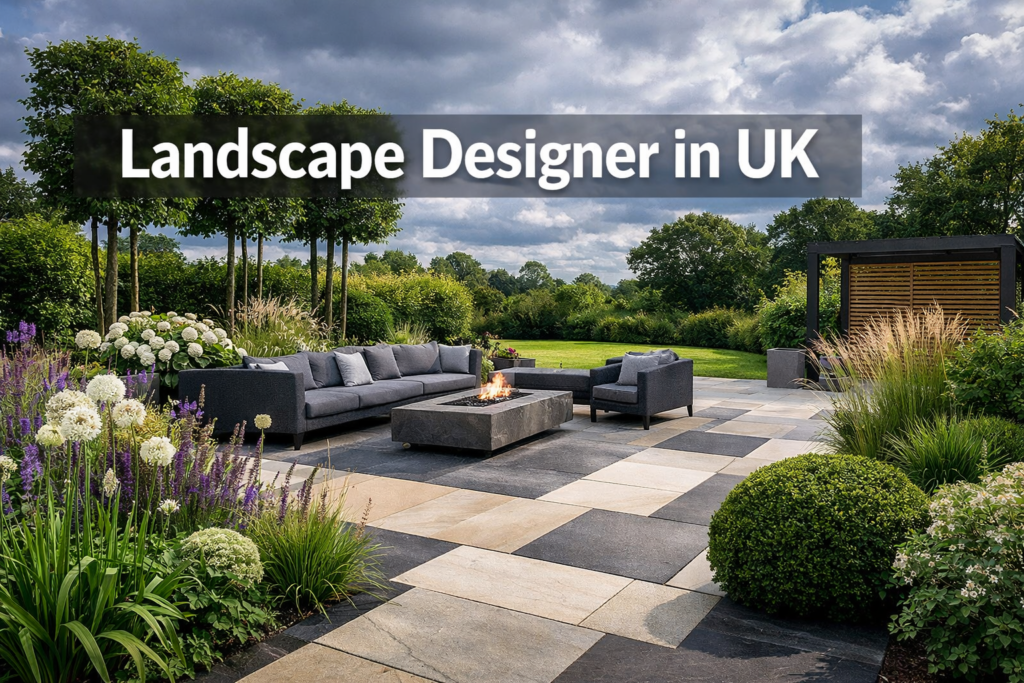
A landscape designer is a trained professional who plans, designs, and oversees the creation of outdoor spaces that balance aesthetic appeal with practical functionality. Unlike gardeners who primarily maintain existing landscapes, landscape designers conceptualize entirely new environments or reimagine underutilized areas.
Core responsibilities include:
- 🌿 Site analysis and assessment – evaluating soil conditions, drainage, sunlight patterns, existing vegetation, and architectural context
- 📐 Conceptual design development – creating visual plans that reflect client needs, lifestyle requirements, and budget parameters
- 🌱 Planting design strategies – selecting appropriate plant species based on climate, maintenance requirements, seasonal interest, and ecological value
- 🏗️ Hardscape planning – designing pathways, patios, walls, water features, and other structural garden elements
- ♿ Accessibility planning – ensuring outdoor spaces accommodate mobility aids, sensory needs, and safety requirements (particularly important for senior care facilities)
- 🌍 Sustainability integration – incorporating water conservation, biodiversity enhancement, and climate-resilient design principles
In the context of senior care environments, landscape designers work closely with facility administrators, healthcare professionals, and families to create therapeutic gardens that support physical rehabilitation, cognitive stimulation, and emotional wellbeing. These specialized outdoor spaces often feature accessible pathways that meet safety standards, sensory planting for memory care residents, and comfortable seating areas that encourage social interaction.
The Difference Between Landscape Designers, Architects, and Gardeners
Understanding professional distinctions helps families and facility managers select the right expertise:
| Professional | Qualifications | Typical Projects | Regulatory Authority |
|---|---|---|---|
| Landscape Designer | Diploma or degree in garden/landscape design; SGLD or BALI membership | Residential gardens, small commercial spaces, therapeutic gardens | Self-regulated through professional bodies |
| Landscape Architect | Accredited degree in landscape architecture; chartered status with Landscape Institute | Large-scale public projects, urban planning, infrastructure | Protected title requiring chartered status |
| Gardener/Horticulturist | Practical training, RHS qualifications | Garden maintenance, planting, seasonal care | Varies by specialization |
For most assisted living residences and retirement villages, a qualified landscape designer with experience in accessible and therapeutic garden design provides the appropriate level of expertise. Larger developments or complex sites may benefit from landscape architects who can navigate planning permissions and integrate gardens with broader site infrastructure.
The Professional Garden Design Process in 2026
Initial Consultation and Discovery
The journey toward a transformed outdoor space begins with a comprehensive consultation where the landscape designer seeks to understand your vision, requirements, and constraints. For families evaluating senior care facilities, this phase reveals how thoughtfully the residence approaches outdoor environments.
Key consultation elements include:
✅ Needs assessment – identifying primary users (residents, families, staff), mobility requirements, therapeutic objectives, and desired activities
✅ Budget discussion – establishing realistic financial parameters and discussing phasing options for larger projects
✅ Site walkthrough – observing existing conditions, noting challenges like poor drainage or accessibility barriers, and identifying opportunities
✅ Inspiration gathering – reviewing portfolio examples, discussing aesthetic preferences, and exploring design styles from contemporary minimalism to traditional cottage gardens
✅ Timeline planning – setting realistic expectations for design development, approvals, construction, and planting
Professional designers bring empathy and patience to these conversations, recognizing that decisions about outdoor spaces for loved ones in assisted living residences carry emotional weight. The best practitioners listen carefully, ask thoughtful questions, and provide reassuring guidance throughout the process.
Site Analysis and Assessment
Before creating design concepts, thorough site analysis ensures the final garden will thrive in its specific location. This technical phase combines scientific assessment with creative problem-solving.
Comprehensive analysis includes:
- Soil testing – pH levels, drainage capacity, nutrient content, and contamination screening
- Microclimate mapping – sun and shade patterns throughout the day and seasons, wind exposure, frost pockets
- Topography and drainage – existing slopes, water flow patterns, areas prone to pooling
- Existing vegetation inventory – mature trees worth preserving, invasive species requiring removal, ecological value assessment
- Access and circulation – entry points, existing pathways, service access, mobility assistance requirements
- Utilities and infrastructure – underground services, irrigation systems, lighting provisions
- Regulatory considerations – planning permissions, building code standards, tree preservation orders
For therapeutic gardens at senior care facilities, additional considerations include visibility from indoor spaces, proximity to activity areas, and integration with wellness programs offered by the residence.
Conceptual Design and Visualization
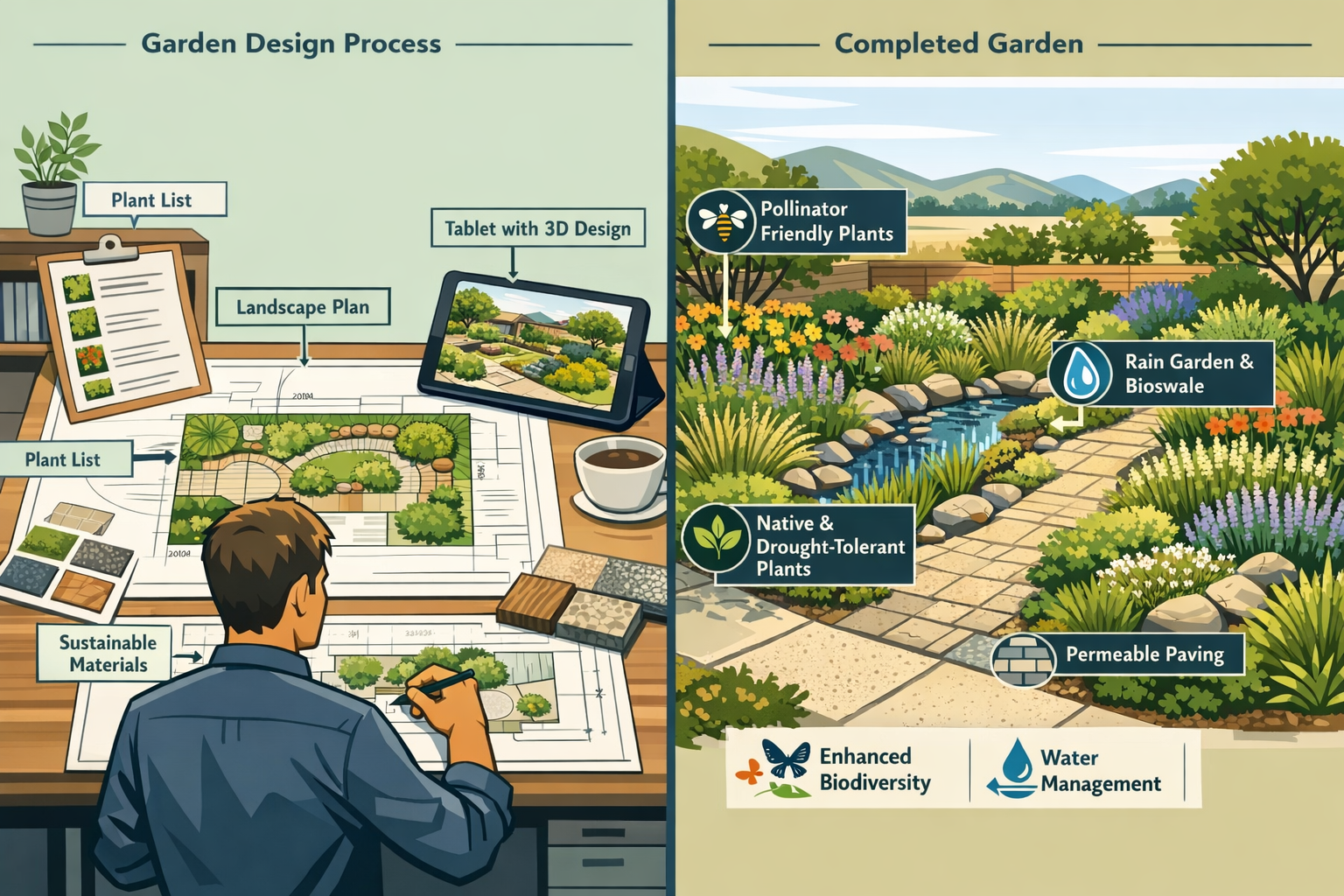
With thorough understanding of site conditions and client needs, the landscape designer develops conceptual plans that bring the vision to life. Modern garden design in 2026 leverages both traditional hand-drawn techniques and sophisticated digital tools.
Design deliverables typically include:
📋 Concept sketches – initial layout ideas showing spatial organization, major features, and circulation patterns
📋 Mood boards – visual collections of materials, planting styles, color palettes, and inspirational imagery
📋 3D visualizations – computer-generated renderings showing how the completed garden will appear from various viewpoints
📋 Planting plans – detailed drawings specifying plant locations, quantities, and seasonal interest
📋 Material specifications – samples and descriptions of paving, fencing, furniture, and decorative elements
The conceptual phase is inherently collaborative, with designers presenting options and refining ideas based on feedback. For families involved in selecting or improving assisted living residences, reviewing these design documents provides transparency about how outdoor spaces will support your loved one’s quality of life.
Detailed Planning and Specifications
Once the conceptual design receives approval, the landscape designer develops detailed technical specifications that guide construction and planting. This phase transforms creative vision into actionable instructions.
Technical documentation includes:
- Construction drawings – precise measurements, levels, and specifications for hardscape elements
- Planting schedules – comprehensive lists with botanical names, sizes, quantities, and planting instructions
- Material specifications – detailed descriptions ensuring contractors source appropriate products
- Irrigation and drainage plans – systems for water management and plant health
- Lighting design – specifications for safety, ambiance, and energy efficiency
- Cost estimates – itemized budgets for materials, labor, and contingencies
Professional landscape designers often coordinate with contractors, nurseries, and specialists to ensure seamless implementation. For senior care facilities, this coordination extends to working with facility management teams to minimize disruption during construction and ensure safety protocols.
Implementation and Project Management
Many landscape designers offer project management services, overseeing construction and planting to ensure the design vision is faithfully realized. This hands-on involvement protects your investment and maintains quality standards.
Project management responsibilities include:
✔️ Contractor selection and coordination – vetting qualified professionals and managing multiple trades
✔️ Quality control – site visits to verify workmanship, materials, and adherence to specifications
✔️ Problem-solving – addressing unexpected site conditions or supply chain challenges
✔️ Timeline management – coordinating phases to minimize disruption and meet completion targets
✔️ Budget oversight – tracking expenses and managing variations
✔️ Client communication – providing regular updates and addressing concerns promptly
For assisted living residences undergoing landscape improvements, effective project management ensures minimal disruption to residents’ daily routines while maintaining safety standards throughout construction.
Sustainability and Climate Resilience in Modern Landscape Design
Biodiversity Net Gain and Ecological Enhancement
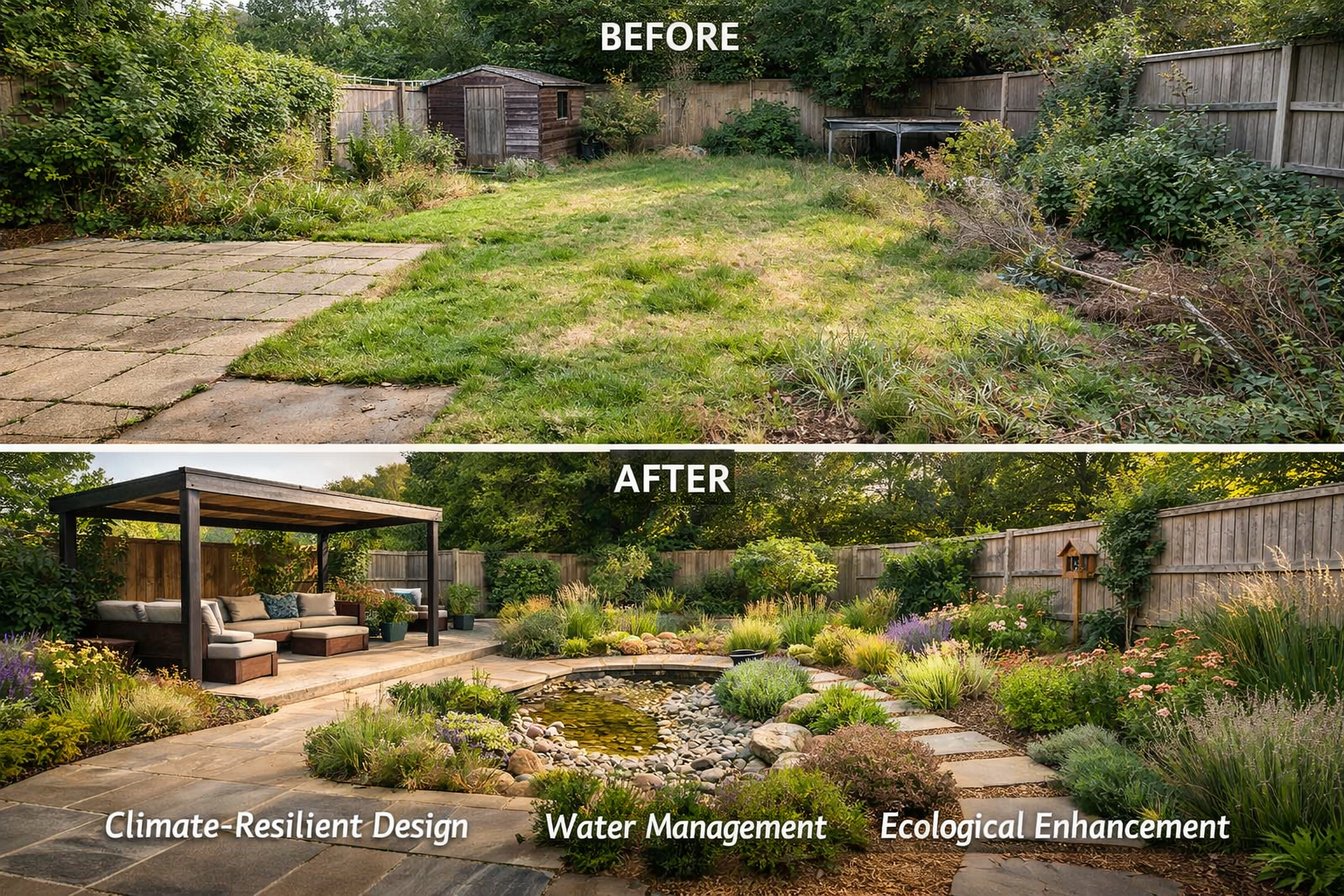
The UK government’s biodiversity net gain (BNG) mandate positions environmental responsibility at the heart of landscape design in 2026. This policy requires new developments to deliver measurable improvements in biodiversity, fundamentally changing how landscape designers approach planting and habitat creation[2].
Key biodiversity strategies include:
🌺 Native plant prioritization – selecting species that support local wildlife, pollinators, and food webs
🌺 Habitat layering – creating diverse structural layers from ground covers to canopy trees
🌺 Wildlife corridors – connecting green spaces to support species movement and genetic diversity
🌺 Pollinator-friendly planting – incorporating nectar and pollen sources throughout the growing season
🌺 Reduced lawn areas – replacing high-maintenance turf with biodiverse meadows or naturalistic planting
For retirement villages and assisted living residences, biodiverse gardens offer therapeutic benefits beyond environmental value. Watching butterflies, listening to birdsong, and observing seasonal changes provide sensory stimulation and connection to nature that supports cognitive health and emotional wellbeing.
Climate-Resilient Planting Strategies
Extreme weather events—from prolonged droughts to intense rainfall—have made climate resilience essential in contemporary garden design. Professional landscape designers now routinely specify plant palettes adapted to changing conditions[4].
Climate-adapted planting approaches include:
🌿 Drought-tolerant species – Mediterranean shrubs, ornamental grasses, and deep-rooted perennials that withstand dry periods without irrigation
🌿 Adaptable evergreens – tough structural plants providing year-round interest and requiring minimal intervention
🌿 Diverse genetic palette – avoiding monocultures and selecting varied species to reduce disease vulnerability
🌿 Soil improvement – incorporating organic matter to enhance water retention and root development
🌿 Mulching strategies – protecting soil, suppressing weeds, and conserving moisture
These strategies reduce maintenance requirements and long-term costs—important considerations for assisted living residences managing operational budgets while maintaining beautiful grounds that enhance residents’ quality of life.
Water Management and Sustainable Drainage
With increasing flood risk and water scarcity concerns, contemporary landscape designers integrate sophisticated water management systems that protect properties while supporting plant health[2].
Sustainable water solutions include:
💧 Rain gardens – planted depressions that capture and filter runoff, reducing flood risk and supporting biodiversity
💧 Bioswales – vegetated channels directing water flow while removing pollutants
💧 Permeable paving – allowing water infiltration rather than creating impermeable surfaces
💧 Water retention systems – capturing rainwater for irrigation during dry periods
💧 Greywater recycling – reusing water from sinks and showers for garden irrigation (where regulations permit)
For senior care facilities, these systems demonstrate environmental stewardship while creating educational opportunities for residents interested in sustainability. Thoughtfully designed water features also provide therapeutic benefits through sound, movement, and visual interest.
Material Reuse and Embodied Carbon Reduction
Progressive landscape designers increasingly prioritize material reuse and low-embodied-carbon alternatives, addressing the environmental impact of garden construction[2].
Sustainable material strategies include:
♻️ Reclaimed materials – repurposing existing stone, timber, and architectural elements rather than sourcing new products
♻️ Local sourcing – reducing transportation emissions by selecting regional materials and plants
♻️ Durable specifications – choosing long-lasting materials that minimize replacement frequency
♻️ Natural alternatives – selecting timber from certified sustainable sources, avoiding tropical hardwoods
♻️ Recycled content products – specifying paving, aggregates, and furniture made from recycled materials
These approaches align with the UK’s Carbon Budget and Growth Delivery Plan, which commits to net-zero emissions by 2050[2]. For families evaluating assisted living residences, environmental responsibility reflects broader organizational values and commitment to creating healthy, sustainable communities.
Landscape Design Services for Senior Care Environments
Therapeutic Garden Design Principles
Therapeutic gardens designed specifically for assisted living residences, memory care facilities, and retirement villages incorporate evidence-based principles that support physical health, cognitive function, and emotional wellbeing.
Core therapeutic design elements include:
🏥 Sensory stimulation – fragrant herbs, textured foliage, colorful blooms, and water features engaging sight, smell, touch, and hearing
🏥 Safe circulation – level pathways with non-slip surfaces, appropriate widths for wheelchairs and walkers, and clear wayfinding
🏥 Comfortable seating – varied seating options at appropriate heights, with back support and armrests, positioned in sun and shade
🏥 Activity zones – dedicated areas for gardening, socializing, quiet reflection, and gentle exercise
🏥 Memory cues – familiar plants, seasonal markers, and nostalgic elements supporting reminiscence for residents with cognitive changes
🏥 Visual accessibility – gardens visible from indoor spaces, encouraging use and providing passive enjoyment for less mobile residents
Professional landscape designers experienced in senior care environments understand the delicate balance between safety and autonomy, creating spaces that feel inviting rather than institutional while meeting regulatory safety standards.
Accessibility and Universal Design
True accessibility extends beyond regulatory compliance to embrace universal design principles that accommodate diverse abilities without stigmatizing users.
Universal design features include:
♿ Graduated pathway widths – minimum 1.5m for wheelchair passing, wider at gathering points
♿ Gentle gradients – maximum 1:20 slopes eliminating need for ramps, with level resting areas
♿ Raised planting beds – accessible heights (60-75cm) allowing seated gardening and reducing bending
♿ Tactile and visual contrast – surface changes, edge definition, and color contrast supporting visual impairments
♿ Ergonomic furniture – varied seat heights, armrests for transfer assistance, and weather-resistant materials
♿ Lighting design – adequate illumination for evening use, avoiding glare and shadows that create fall hazards
These considerations ensure outdoor spaces remain accessible as residents’ needs change, supporting aging with dignity and maximizing participation in outdoor activities.
Dementia-Friendly Garden Design
Specialized design approaches support residents living with dementia and other cognitive conditions, creating safe, engaging environments that reduce anxiety and support wellbeing.
Dementia-friendly design strategies include:
🧠 Secure boundaries – attractive fencing or planting preventing wandering while avoiding institutional appearance
🧠 Circular pathways – continuous loops eliminating dead ends and supporting purposeful walking
🧠 Familiar planting – traditional garden plants triggering positive memories and recognition
🧠 Clear visual cues – distinctive landmarks, color coding, and signage supporting orientation
🧠 Reduced visual complexity – avoiding overstimulating patterns or confusing spatial arrangements
🧠 Enclosed spaces – creating sense of security while maintaining visual connection to surroundings
Landscape designers specializing in dementia care collaborate with cognitive support services teams to create gardens that complement therapeutic programs and enhance quality of life for residents and families.
Social Spaces and Community Building
Well-designed outdoor spaces foster social connection and community engagement—vital factors in successful aging and resident satisfaction.
Community-focused design elements include:
👥 Flexible gathering areas – spaces accommodating various group sizes for activities, celebrations, and casual socializing
👥 Conversational seating – arrangements encouraging face-to-face interaction rather than isolated individual seats
👥 Activity gardens – vegetable plots, cutting gardens, or container displays supporting resident participation and ownership
👥 Performance spaces – areas for outdoor entertainment, music, or family events
👥 Wildlife observation points – bird feeders, butterfly gardens, and water features providing shared experiences
These social dimensions transform gardens from mere amenities into vital components of resident wellness programs and community life.
Choosing the Right Landscape Designer for Your Project
Professional Credentials and Memberships
Verifying professional credentials provides confidence in a designer’s expertise and commitment to industry standards. In 2026, four major organizations—the Association of Professional Landscapers (APL), Landscape Institute (LI), British Association of Landscape Industries (BALI), and Society of Gardeners and Landscape Designers (SGLD)—have unified to promote industry standards and address common challenges[1].
Key credentials to look for:
✓ SGLD membership – indicates specialized garden design training and adherence to professional standards
✓ BALI registration – demonstrates commitment to quality workmanship and industry best practices
✓ Landscape Institute membership – chartered status for landscape architects working on larger projects
✓ RHS qualifications – horticultural expertise supporting plant knowledge and garden management
✓ BS7533 certification – recognized paving standard ensuring quality hardscape construction[1]
For families selecting assisted living residences, asking about landscape designer credentials during facility tours demonstrates thorough evaluation and commitment to quality environments for your loved one.
Portfolio Review and Project Experience
A designer’s portfolio reveals their aesthetic sensibility, technical capabilities, and experience with projects similar to yours. When evaluating landscape designers, request examples specifically relevant to your needs.
Portfolio assessment criteria:
📸 Project diversity – range of styles, scales, and contexts demonstrating versatility
📸 Before-and-after documentation – transformation evidence showing problem-solving abilities
📸 Detail photography – close-up images revealing craftsmanship and material quality
📸 Mature garden images – photographs taken months or years after installation showing long-term success
📸 Relevant experience – previous work with senior care facilities, therapeutic gardens, or accessibility requirements
Award recognition, such as the Society of Garden Landscape Designers Awards, provides independent validation of design excellence[3]. However, the most important criterion is whether the designer’s work resonates with your vision and demonstrates understanding of your specific requirements.
Understanding Design Fees and Investment
Professional landscape design represents a significant investment that pays dividends through increased property value, reduced maintenance costs, and enhanced quality of life. Understanding fee structures helps families and facility managers budget appropriately.
Common fee structures include:
💷 Hourly rates – typically £50-150 per hour depending on experience and location, suitable for consultations or small projects
💷 Fixed project fees – agreed lump sum for defined scope, providing budget certainty
💷 Percentage of construction cost – typically 10-15% of total project value for design and project management
💷 Phased pricing – separate fees for consultation, concept design, detailed plans, and implementation oversight
For assisted living residences and retirement villages, landscape design costs should be considered alongside broader facility cost structures and evaluated as part of the overall value proposition offered to residents and families.
Factors influencing design investment:
- Project complexity – challenging sites, extensive hardscaping, or specialized requirements increase design time
- Site size – larger areas require more extensive planning and documentation
- Designer experience – established practitioners with strong portfolios command premium fees
- Service scope – full-service project management costs more than design-only services
- Geographic location – London and Southeast England typically see higher rates than other UK regions
Transparent pricing discussions during initial consultations help establish realistic expectations and prevent misunderstandings. Reputable designers provide detailed proposals outlining deliverables, timelines, and payment schedules.
Questions to Ask Potential Designers
Thorough vetting ensures you select a landscape designer whose expertise, approach, and values align with your needs. Consider asking these essential questions during consultations:
Experience and expertise:
- How many years have you been practicing garden design professionally?
- Do you have specific experience with therapeutic gardens or senior care facilities?
- Can you provide references from similar projects?
- What professional memberships or qualifications do you hold?
Design approach:
- How would you describe your design philosophy?
- How do you balance aesthetic goals with practical requirements like accessibility and maintenance?
- What is your approach to sustainability and climate resilience?
- How do you incorporate client feedback throughout the design process?
Project logistics:
- What is your typical timeline from initial consultation to completed installation?
- Do you provide project management services, or will I need to coordinate contractors?
- How do you handle unexpected challenges or budget variations?
- What warranties or guarantees do you offer on design work and plant materials?
Costs and contracts:
- What is your fee structure for this type of project?
- What exactly is included in your design fee?
- Are there additional costs I should anticipate?
- What are your payment terms and schedule?
For families evaluating assisted living residences, asking facility administrators similar questions about their landscape maintenance and design philosophy provides insight into the organization’s commitment to quality outdoor environments.
Industry Trends and Future Outlook for 2026
Addressing the Skills Shortage
The landscape design industry faces a critical skills shortage in 2026, with the Landscape Institute emphasizing the need to ensure adequate expertise exists to deliver quality outdoor spaces alongside government development targets[1]. With plans to build 1.5 million homes in England by 2029, demand for qualified landscape designers significantly outpaces current workforce capacity[3].
Industry responses include:
- Enhanced training programs – expanded educational pathways and apprenticeships
- International recruitment – SGLD’s growth includes designers from across the UK and internationally[1]
- Technology adoption – digital tools increasing efficiency and productivity
- Collaborative practice models – partnerships between designers, contractors, and horticulturists
For families seeking quality assisted living residences, this skills shortage underscores the importance of verifying that facilities work with qualified professionals rather than relying solely on general contractors or maintenance staff for landscape design decisions.
Economic Pressures and Adaptation
Rising costs, material shortages, and broader economic headwinds continue affecting both clients and designers in 2026, sometimes resulting in project delays or smaller-scale implementations[1]. Professional landscape designers have adapted through creative problem-solving and value-focused approaches.
Economic adaptation strategies include:
- Phased implementation – breaking larger projects into manageable stages
- Material substitution – identifying cost-effective alternatives maintaining quality
- Value engineering – optimizing designs to achieve goals within budget constraints
- Local sourcing – reducing transportation costs and supporting regional suppliers
- Low-maintenance design – reducing long-term operational costs through appropriate plant selection
These adaptations benefit assisted living residences managing operational budgets while maintaining high-quality environments. Understanding cost breakdown by care level helps facilities allocate resources appropriately between indoor and outdoor amenities.
Technology Integration in Garden Design
Modern landscape designers leverage sophisticated technology throughout the design process, enhancing visualization, accuracy, and client communication.
Technology applications include:
💻 3D modeling and virtual reality – immersive previews allowing clients to “walk through” proposed gardens before construction
💻 Drone surveying – accurate site mapping and topographic analysis for large or complex sites
💻 Plant selection software – databases helping designers identify appropriate species based on multiple criteria
💻 Irrigation design programs – optimizing water distribution and efficiency
💻 Project management platforms – streamlining communication, scheduling, and budget tracking
These tools improve design quality and client confidence while increasing efficiency—benefits that translate to better value and outcomes for all project types, from private residences to large senior care communities.
Gardens’ Role in UK Biodiversity and Climate Action
Despite gardens covering 4.6% of the UK landscape, 42% of domestic outdoor space has been paved, according to recent RHS research[1]. This data drives increased recognition of gardens’ importance for biodiversity, climate resilience, and wellbeing in 2026[1].
Policy and practice developments include:
🌍 Biodiversity net gain requirements – mandatory environmental improvements for new developments[2]
🌍 Climate adaptation strategies – gardens designed to mitigate urban heat island effects and manage stormwater
🌍 Carbon sequestration recognition – acknowledging gardens’ role in carbon storage and emission reduction
🌍 Wildlife corridor planning – connecting green spaces to support ecosystem health
Professional landscape designers increasingly position themselves as environmental stewards, creating gardens that deliver measurable ecological benefits alongside aesthetic and functional value. For retirement villages and assisted living residences, this environmental leadership demonstrates organizational values and provides meaningful engagement opportunities for environmentally conscious residents.
Maintaining Your Designed Landscape
Establishing Maintenance Plans
Even the most beautifully designed garden requires ongoing care to maintain its intended appearance and function. Professional landscape designers typically provide maintenance guidance as part of their service.
Essential maintenance planning includes:
🌱 Seasonal task calendars – month-by-month schedules outlining pruning, feeding, and care requirements
🌱 Plant establishment protocols – specific watering and monitoring during the critical first year
🌱 Long-term management strategies – guidance on plant replacement, renovation, and evolution
🌱 Contractor recommendations – referrals to qualified maintenance professionals if needed
🌱 Budget projections – realistic estimates of ongoing maintenance costs
For assisted living residences, clear maintenance documentation ensures continuity as staff changes occur and helps facilities budget appropriately for grounds care as part of overall operational planning.
Sustainable Maintenance Practices
Contemporary maintenance approaches prioritize environmental sustainability and long-term garden health over intensive intervention.
Sustainable maintenance strategies include:
♻️ Organic soil management – building soil health through composting and natural amendments rather than synthetic fertilizers
♻️ Integrated pest management – using biological controls and cultural practices before resorting to chemical interventions
♻️ Water-wise irrigation – adjusting watering based on weather conditions and plant needs
♻️ Wildlife-friendly practices – leaving seed heads for birds, creating habitat piles, and avoiding pesticides
♻️ Reduced mowing regimes – allowing meadow areas to develop and reducing carbon emissions
These approaches reduce environmental impact and operational costs while creating healthier, more resilient gardens that better support resident wellbeing and connection to nature.
Adapting Gardens Over Time
Gardens are living, evolving environments that change with seasons, years, and shifting needs. Successful landscape design anticipates and accommodates this evolution.
Adaptive management considerations include:
- Plant maturation – understanding how gardens will develop as plants reach mature size
- Changing abilities – modifying gardens as residents’ mobility or cognitive needs change
- Seasonal interest rotation – refreshing container plantings and annual displays
- Climate adaptation – replacing struggling plants with more resilient alternatives as conditions change
- Activity evolution – adjusting spaces as resident interests and programs develop
Professional landscape designers often maintain ongoing relationships with clients, providing periodic consultations to guide garden evolution and ensure outdoor spaces continue meeting needs effectively.
Making Informed Decisions About Landscape Design
Evaluating Outdoor Spaces at Assisted Living Residences
When touring potential assisted living residences or retirement villages for your loved one, thoughtful evaluation of outdoor spaces provides valuable insight into the facility’s overall quality and values.
Key evaluation criteria include:
✅ Accessibility – Are pathways level, wide, and well-maintained? Can residents using wheelchairs or walkers navigate independently?
✅ Safety features – Are surfaces non-slip? Is lighting adequate? Are there handrails where needed?
✅ Variety of spaces – Does the garden offer sunny and shaded areas, active and quiet zones, social and private spaces?
✅ Maintenance quality – Are gardens well-cared-for, or do they appear neglected?
✅ Resident engagement – Do you see evidence of resident use and participation in garden activities?
✅ Therapeutic elements – Are sensory plants, wildlife features, and memory-supportive elements incorporated?
✅ Seasonal interest – Will the garden provide beauty and engagement year-round?
These observations complement evaluation of indoor amenities, wellness programs, and care services to provide a comprehensive picture of the residence’s commitment to quality of life.
Understanding the Value of Professional Design
Professional landscape design represents an investment in quality of life, property value, and long-term satisfaction. Understanding this value helps families and facility administrators make informed decisions.
Professional design benefits include:
💎 Expertise and efficiency – Avoiding costly mistakes and achieving better results faster than trial-and-error approaches
💎 Customized solutions – Designs tailored to specific sites, needs, and preferences rather than generic templates
💎 Long-term value – Well-designed gardens require less maintenance and remain functional and beautiful for years
💎 Property enhancement – Quality landscaping significantly increases property values and marketability
💎 Wellbeing impact – Thoughtfully designed outdoor spaces demonstrably improve mental health, physical activity, and social connection
💎 Environmental contribution – Professional design maximizes ecological benefits and climate resilience
For assisted living residences, professional landscape design demonstrates commitment to resident wellbeing and creates competitive differentiation in a crowded market.
Taking the Next Steps
Whether you’re seeking to improve outdoor spaces at an existing assisted living residence, evaluating facilities for a loved one, or planning landscape enhancements for a private home, taking informed action begins with clear priorities and realistic expectations.
Recommended next steps:
- Define your objectives – Clarify what you hope to achieve through landscape design, whether therapeutic benefits, aesthetic improvement, or environmental enhancement
- Establish your budget – Determine realistic financial parameters, considering both design fees and implementation costs
- Research qualified professionals – Identify landscape designers with relevant experience and credentials
- Schedule consultations – Meet with multiple designers to compare approaches, expertise, and compatibility
- Review proposals carefully – Evaluate not just cost but scope of services, timeline, and deliverables
- Check references – Contact previous clients to understand working relationships and project outcomes
- Clarify expectations – Ensure written agreements clearly define responsibilities, timelines, and payment terms
For families navigating senior care decisions, outdoor space quality should be weighted alongside other important factors like care plan reviews, family involvement policies, and overall facility culture.
Conclusion: Creating Outdoor Spaces That Support Dignity and Wellbeing
Professional landscape designers bring invaluable expertise to creating outdoor environments that enhance quality of life, support environmental sustainability, and provide lasting beauty. In 2026, the landscape design industry in the UK faces both challenges—including skills shortages and economic pressures—and exciting opportunities through technological innovation, collaborative professional standards, and growing recognition of gardens’ vital role in biodiversity, climate resilience, and human wellbeing[1].
For families seeking the best possible care environments for loved ones, outdoor spaces deserve careful consideration alongside indoor amenities and care services. Therapeutic gardens designed by qualified professionals provide measurable benefits for physical health, cognitive function, emotional wellbeing, and social connection—all essential elements of aging with dignity.
Whether you’re evaluating assisted living residences, planning improvements to existing senior care facilities, or creating accessible gardens for aging in place, partnering with a qualified landscape designer ensures outdoor spaces truly serve the people who will use them. By understanding the design process, asking informed questions, and prioritizing both functionality and beauty, you can create or select outdoor environments that support your loved one’s wellbeing for years to come.
Your next steps:
- Visit facilities and carefully observe outdoor space quality, accessibility, and maintenance
- Ask administrators about landscape design philosophy and resident engagement with gardens
- Request information about therapeutic garden programs and outdoor activity offerings
- Consider consulting with a landscape designer if you’re planning home modifications to support aging in place
- Prioritize outdoor access when comparing assisted living residences and retirement villages
The gardens and outdoor spaces surrounding senior care facilities aren’t luxuries—they’re essential components of compassionate, holistic care that honors the dignity and quality of life your loved one deserves. By understanding professional landscape design and its profound impact on wellbeing, you can make confident, informed decisions that provide peace of mind for your family and enriching environments for those you care about most.
References
[1] What Can We Expect From 2026 – https://www.prolandscapermagazine.com/2025/12/31/what-can-we-expect-from-2026/
[2] 2026 Landscape Trends – https://www.vectorworks.net/en-US/newsroom/2026-landscape-trends
[3] Winners Of The 2026 Society Of Garden Landscape Designers Awards – https://www.theenglishgarden.co.uk/news-and-events/gardeners-makers/winners-of-the-2026-society-of-garden-landscape-designers-awards/
[4] Garden Design Trends For 2026 – https://www.jackmoodygroup.co.uk/garden-design-trends-for-2026/