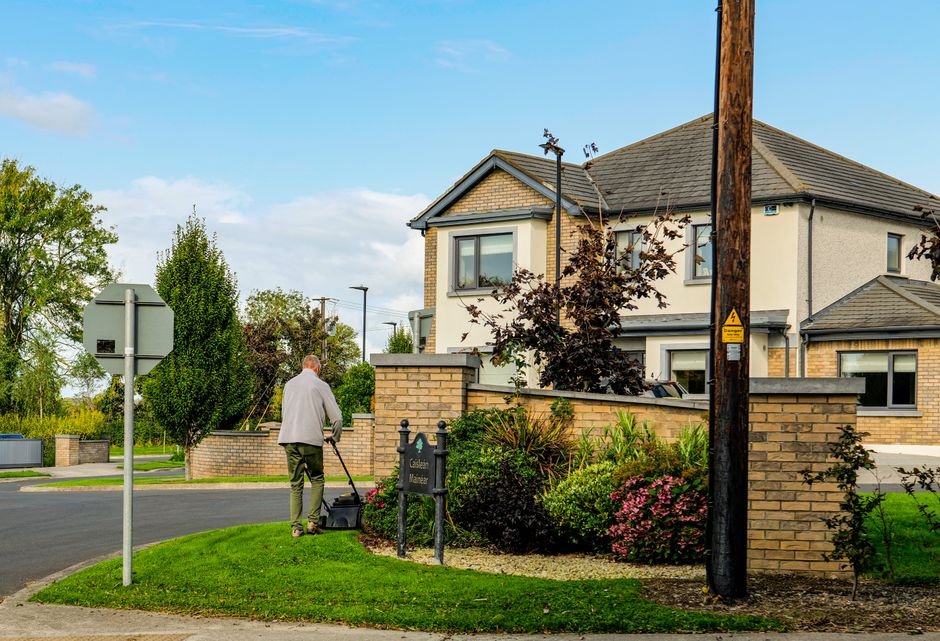
Landscape gardener aberdeenshire services are what you look for when your garden goes from “nice enough” to awkwardly unmanageable. You might be staring at uneven paving, overgrown borders, or a lawn that never stays put. This guide gives you practical, UK-focused help to pick the right service, ask the right questions, and avoid the usual headaches.
Quick answer: If you want landscape gardener aberdeenshire services, start by matching your garden issues to specific work: drainage, patios, planting plans, turf, or fencing. Get 2 to 3 quotes, confirm materials and timelines in writing, and check insured credentials. Then plan maintenance around Aberdeen’s coastal weather.
You can find more helpful resources on landscapegardeneredinburgh.com.
Key Takeaways
- Match the job to specific services, not vague “garden help”.
- Ask for a simple plan, photos, and itemised quotes.
- Expect Aberdeen weather to affect plants, turf, and timelines.
- Check insurance and local knowledge before work starts.
- Plan maintenance now, so the garden doesn’t slide back.
Real question people ask?
Can you really get a fair price for landscape gardener Aberdeenshire services? Yes, but only if the quote explains what’s included, how long each job takes, and who does the groundworks, planting, and tidy-up. Many homeowners get stung because “garden makeover” sounds simple, while access limits, soil conditions, and drainage details add real cost fast.
Most people start with photos and a few messages. That’s fine. The trouble is quotes based only on rough estimates tend to ignore the messier parts, like edging removal, levelling uneven slabs, or hauling away old turf and rubble. A proper quote should list materials and labour separately, plus disposal and any skip costs.
Ask about the schedule, too. Will your gardener arrive with set working days, or does the team squeeze you in whenever weather allows? In Aberdeen and the north east, rain and clay-heavy ground can slow progress, so a clear plan matters. If the contractor can’t talk through sequencing, you’re guessing, and guessing usually costs money.
Here’s a practical way to compare quotes without losing your mind. Read each line item the same way you’d read a builder’s invoice. “Patio” should mention size, base preparation, and paving type. “Planting” should mention the plant list or at least plant sizes and how many specimens. “Maintenance” should say what months it covers and whether it includes weeding, pruning, and mulch top-ups.
One statistic helps ground this. According to the Which? guidance on comparing quotes, many disputes come down to unclear scope and misunderstandings about what’s included. Quote clarity isn’t paperwork for paperwork’s sake, it’s how you avoid paying twice for the same job.
In practice, I’ve seen a common fail point in Aberdeenshire: a homeowner accepted a “garden tidy and planting” quote, only to discover the contractor hadn’t priced for tree root lifting, border edging replacement, or removing old fabric from underneath the stones. The work ended up looking fine, but the extras came as separate charges because they weren’t in the first scope.
Example from a real Tuesday: you ask for a small front garden refresh in Torry or Banchory. Two quotes look similar, but one includes removing the old gravel and disposing of it. The cheaper quote assumes you’ll keep the existing surface. That one choice alone changes labour time and mess level, and it’s usually where the difference hides.
Practical tip: send the contractor your own “minimum spec” list before you commit. Include access notes (gate width, driveway distance, steps), expected mess tolerance, and whether you want night lighting, irrigation, or just a tidy finish. Then ask for a written scope that matches it, not a general promise.
Landscape gardener aberdeenshire services: What do you actually need beyond the “nice garden” bits?
Landscape gardener aberdeenshire services really comes down to a mix of design intent and practical site control. You need someone who can read your ground, match materials to Aberdeen-area exposure, and plan around drainage, access, and existing planting. If your job includes paths, turfing, paving, or planting at scale, you also need process detail, not just pretty mood boards.
Site reading: soil, slope, and exposure beat design every time
People often think they’re hiring “a garden artist”. Then they get a quote that ignores the slope, the wet patches, and the wind-beat microclimates. In the north east, exposure changes everything. A south-facing rockery might thrive, while a north boundary planting bed sulks for months because the soil stays cold and damp. A good gardener will ask where water collects, how long it stays, and how you use the space on real days, not show days.
Soil matters more than most homeowners realise. Many gardens in the wider Aberdeen area end up with mixed fill, compacted driveways, or old roots hidden under turf. That’s not a deal-breaker, but it affects drainage and plant success. You want a gardener who talks about soil testing or at least soil assessment, plus the practical fixes: composted topsoil build-up, proper aeration, and careful top-layer grading so water goes where you want it to go.
How much “maintenance” should your plan really include?
Another gap I see is maintenance expectations. You don’t need a gardener forever, but you do need a design that fits your energy level. If you’re working long hours, a planting scheme that demands weekly deadheading and delicate feeds will annoy you fast. Ask for a maintenance outline as part of the service scope, including what gets trimmed when, what needs watering in the first season, and which areas stay low-touch by design.
For example, replacing a stubborn lawn with more resilient groundcover or hardwearing planting beds can reduce mowing and irrigation. It’s not “less work” automatically, though. If the gardener proposes groundcover, you should still expect bed preparation, weed suppression where needed, and realistic finishing steps. The best plans explain the trade-offs plainly.
Materials and hard landscaping: the north-east weather test
Wind-driven rain in Aberdeen can punish poor choices. If a quote treats paving, sleepers, or gravel borders like they’re all the same, be cautious. Ask what the edging detail looks like, how they’ll form falls away from doors and paths, and how they’ll handle weed control under gravel. Even small details, like how they lay membranes and what they do at joins, change the look after a few winters.
Drainage again, always. Any path or patio that’s slightly wrong can create recurring puddles or algae slicks on north-facing areas. A competent gardener will explain how they’ll prep the base, what they’ll use to stabilise it, and how they’ll protect adjacent features like lawn edges, fence posts, and existing planting during works.
One statistic to anchor your expectations
According to the NatureScot guidance on managing invasive non-native species, invasive plants can spread quickly in disturbed ground, making careful site preparation and aftercare a big deal. That means your landscaping plan should include how the contractor will manage existing weeds, not just what gets installed. (Source guidance accessed via NatureScot site material.)
Practical example you’ll recognise
Imagine Tuesday afternoon in Aberdeen: you’ve got a back garden that turns muddy near the shed after rainfall. You want a small patio and a “no-mow” planting strip. A good landscape gardener aberdeenshire services provider would inspect the wet patch, explain whether water needs diversion or the base needs rebuilding, then specify a sensible build-up for paving and a weed-smart bed preparation. You’ll leave that first meeting knowing how the job prevents the mud from coming back.
HSE guidance on safer work practices | RHS gardening advice for plant care | Natural England information on habitats and land management
What does a landscape gardener do in Aberdeen and the north east?
A landscape gardener in Aberdeen and the north east turns your site from “what you’ve got” into a workable plan you can live with. They assess the ground, handle hard landscaping and planting, and coordinate sensible staging so the garden looks right early and holds up later. You’ll usually see their work include base prep, drainage thinking, planting strategy, edging, and aftercare that matches the local weather.
Step-by-step work, not vague promises
In north-east conditions, staging matters. A gardener might start with access planning, then remove old turf or surfacing, then address levels and drainage, then move to base material and hard landscaping before planting. That order isn’t just tidiness. It protects your new plants from being trampled, splashed, or dried out during heavy works. It also helps you avoid paying for rework because a path or patio settles after installation.
Ask how they’ll sequence your job and what you’ll see on each stage. If the quote jumps from “demolition” straight to “final planting” with no in-between detail, you’ll probably get surprises. The more specific their approach, the less you’ll spend time chasing decisions midway through.
Planning planting for wind, cold snaps, and timing
Planting in Aberdeen isn’t just about choosing attractive varieties. It’s about picking plants that tolerate exposure, rooting depth limits, and the fact that spring weather can swing wildly. A good gardener will talk about structure first, then seasonality. They should describe why certain shrubs or grasses suit your aspect and how they’ll manage establishment over the first growing season.
Here’s a misconception to watch: many people assume “anything will grow if you plant it”. In exposed gardens, the wrong spacing or timing can turn into poor root establishment. A gardener should mention aftercare steps like watering schedules, mulch choices, and how they’ll deal with early weeds before they win the fight.
Hard landscaping coordination, including edges and finishes
Hard landscaping work often looks simple until you zoom in on the edges. Aberdeen gardens can have mixed levels near doors, sloped borders, and narrow access lanes. A gardener needs to manage falls properly so water drains away. They should also explain how edging will be finished so it doesn’t break apart or invite weeds within weeks.
And yes, rubbish handling matters too. Good landscape gardener aberdeenshire services should include a clear approach to spoil removal and site protection during works. It sounds minor, but it changes how your place looks the following weekend, not after some far-off “completion date”.
A statistic that shows why the process matters
According to the Met Office climate information for the UK, rainfall patterns and weather variability influence how quickly outdoor surfaces degrade and how often water management becomes necessary in landscaping. The north east typically sees frequent rain and wind, which makes base stability and drainage planning more important than in sheltered regions. (Source accessed via Met Office climate guidance pages.)
Practical example from real life
Picture a front garden near Aberdeen where the path gets slimy after rain and the border looks bare half the year. A capable landscape gardener in the north east would assess the path slope, check how water runs across the frontage, and then propose a fix that might include relaying with better falls, switching to more stable edging, and restructuring the border with a mix of evergreen structure and seasonal interest. You’d end up with fewer muddy footprints and a yard that looks organised even when the weather doesn’t play ball.
Met Office UK climate overview | RHS gardening advice | Natural England advice and guidance
How do you choose the right service and get a fair quote?
Choosing the right landscape gardener aberdeenshire services provider comes down to scope clarity and quote transparency. You want a detailed breakdown of what’s included, what’s excluded, and how the contractor will handle drainage, base prep, materials, and planting. A fair quote feels specific, not vague, and it should include a practical timeline so you know when decisions need to be made.
Use a “scope checklist” before you compare quotes
Quote comparison fails when quotes cover different things. One quote might include base, edging, weed membrane, and soil build-up. Another might only price the visible parts. Your job is to put them on the same playing field. Ask for line-by-line costs and written scope for excavation depth, spoil removal, membrane use (if applicable), topsoil type, and how they’ll handle existing plants.
Also ask what happens if the site reveals surprises. For example, if old concrete or buried timber shows up under a lawn, you need a clear change-control process. A fair quote doesn’t mean a fixed price no matter what, it means a fair method for dealing with new info.
Fair pricing means pricing decisions, not just totals
Many homeowners focus on the bottom line and then regret the fine print. A better approach is to ask how the gardener priced your job: what assumptions they made, why certain materials cost more, and what options exist. If a contractor offers two route options, like different stone grades or planting levels, you can compare like for like and choose knowingly.
It’s also worth checking whether the quote includes contingencies for weather and curing times. In Aberdeen, rain can slow base works or affect planting establishment. A quote that ignores seasonal realities often leads to frantic rescheduling. You deserve a timeline that accounts for real outdoor working conditions, not wishful thinking.
Questions that stop “surprise extras” later
Ask direct questions. What’s included in initial site visits? Who protects lawns and borders during works? How do they manage waste and clearance at the end of each stage? Will they stake and mark finished levels before hard landscaping starts? These sound fussy, but they stop the classic problem: finishing touches that suddenly cost more because they weren’t in the original quote.
Now, the hard part. Some things can’t be fully known from a first look. If the contractor admits uncertainty and then explains exactly how they
| Option | Best For | Cost |
|---|---|---|
| Garden redesign consult (site visit + ideas) | Pinning down layout, planting, paths, and priorities before you commit | £150 to £300 for a typical half-day |
| Hard landscaping quote (paths, patios, edging) | Clear specs for paving, sleeper work, and drainage details | £40 to £120 per m² for materials and labour, depending on finish |
| Soft landscaping + planting plan | Choosing the right plants for Aberdeenshire conditions and maintenance level | £200 to £500 for a planting scheme |
| Ongoing maintenance (lawn, beds, seasonal tidy) | Keeping everything looking sharp without you doing the chasing | £25 to £45 per hour or £60 to £150 per visit |
| Full project management (design to handover) | When you want one point of contact and coordinated contractors | Often 10% to 20% on top of the build costs |
Frequently Asked Questions
How much do landscape gardeners in Aberdeenshire charge for a new garden?
Landscape gardener Aberdeenshire services usually price in two steps: a design/consult fee first, then a separate build quote once the groundworks and materials are clear. For example, a simple tidy-up might be hourly, while paving, drainage, and raised beds get costed per area. Ask for a written breakdown: labour, materials, haulage, and any access or digging allowances.
What should I ask before I sign a landscaping quote?
Ask what’s included and what isn’t. Specifically: soil removal, weed control, edging type, sub-base depth for paving, drainage checks, and the finish level you’ll get. Also ask who supplies topsoil, how waste is handled, and when a site survey is needed. If the quote assumes “standard ground conditions”, you want an added clause for unexpected obstructions and hidden services. For garden safety guidance on steps like fencing and gates, see this UK government publication and adapt the principles to your garden set-up.
Can a gardener recommend plants that handle Aberdeenshire weather?
Yes, and a good landscape gardener will talk about wind exposure, soil type, drainage, and winter interest before suggesting anything. Many people make the mistake of picking plants off looks alone, then wonder why they struggle when the rain hits sideways. When you want low-fuss planting, ask for a maintenance plan: how often beds get weeded, how mulch is refreshed, and what you’ll do in spring versus autumn. If you’re unsure about soil and growing conditions, the RHS plant pages are a helpful starting point for checking hardiness and care needs.
Do I need permission for garden landscaping work in Aberdeenshire?
Often you don’t, but it depends on what you’re changing. Pergolas, walls, fencing, drainage work, and anything near boundaries can bring planning rules into play, especially if it affects access, visibility, or listed areas. It’s also worth checking building regs for certain structural or drainage elements. A practical starting point is the UK government planning permission guidance, then speak to your council if you’re doing anything major.
How do I spot a “cheap” quote that will cost more later?
Cheap quotes usually hide costs in three places: scope gaps, allowances, and unclear specs. If the quote doesn’t name the paving thickness, soil type, weed control method, or the height of edging, the bill creeps up after work starts. Ask for product details (even basic ones), a tolerance for levels, and a timeline with inspection points. For keeping everything on fair footing when you’re hiring work through a contractor, you can also look at Citizens Advice guidance on services.
A well-rounded landscape gardener Aberdeenshire services specialist should have hands-on experience with planting design, hard landscaping build-ups, and the practical realities of Scottish weather, not just pretty drawings.
Final Thoughts
“landscape gardener aberdeenshire services” should leave you with three clear actions: get a written, item-by-item quote; confirm ground conditions, drainage, and inclusions before digging starts; and agree on a realistic maintenance plan so the garden keeps looking good after handover.
Your next step is simple: request a site visit, then send the contractor a one-page checklist of what you want included (levels, sub-base, weed control, topsoil, waste removal, and timing). Then you’ll know exactly what you’re paying for, before any spares, extras, or “assumptions” creep in.
Early on.. that’s where most disputes get born. If the contractor avoids specifics, push back gently but firmly. Demand detail on the finish, the materials, and the contingencies. dscaping starts? These sound fussy, but they stop the classic problem: finishing touches that suddenly cost more because they weren’t in the original quote.
Now, the hard part. Some things can’t be fully known from a first look. If the contractor admits uncertainty and then explains exactly how they’ll handle it, you’ve got the right approach. Ask for the “if this happens” options in writing, and you’ll feel a lot safer signing off.
Also insist on a clear timeline and a written payment schedule, so you know what happens when each stage finishes and what you pay at every milestone. A reputable landscape gardener in Aberdeenshire will describe materials, access, waste removal and site protection up front, then stick to it as the work progresses.
Next, verify practical details before any digging starts. Check that they hold the right insurances, can provide references from recent local projects, and will use methods that suit the site—especially drainage and soil preparation, which often make the biggest difference to long-term results. Don’t be afraid to request photos of similar work around the area.
Finally, make sure the scope covers your goals, not just the garden’s “look”. If you want low-maintenance planting, safer pathways, better privacy or improved usability, your plan should reflect that. When every part of the job lines up with your priorities and the quote matches the agreed specification, you’ll get a landscape that performs well—season after season.
📚 You May Also Like
References
- [1] Which? guidance on comparing quotes — https://www.which.co.uk/consumer-rights/complaints/builders-and-tradespeople/how-to-compare-quotes
- [2] managing invasive non-native species — https://www.nature.scot/doc/field-guides
- [3] Met Office UK climate overview — https://www.metoffice.gov.uk/weather/climate
- [4] RHS gardening advice — https://www.rhs.org.uk/advice
- [5] this UK government publication — https://www.gov.uk/government/publications/protecting-children-from-traps-on-playgrounds
- [6] RHS plant pages — https://www.rhs.org.uk/plants
- [7] UK government planning permission guidance — https://www.gov.uk/planning-permission
- [8] Citizens Advice guidance on services — https://www.citizensadvice.org.uk/consumer/your-rights/your-rights-when-things-go-wrong-when-you-buy-goods-or-use-services/