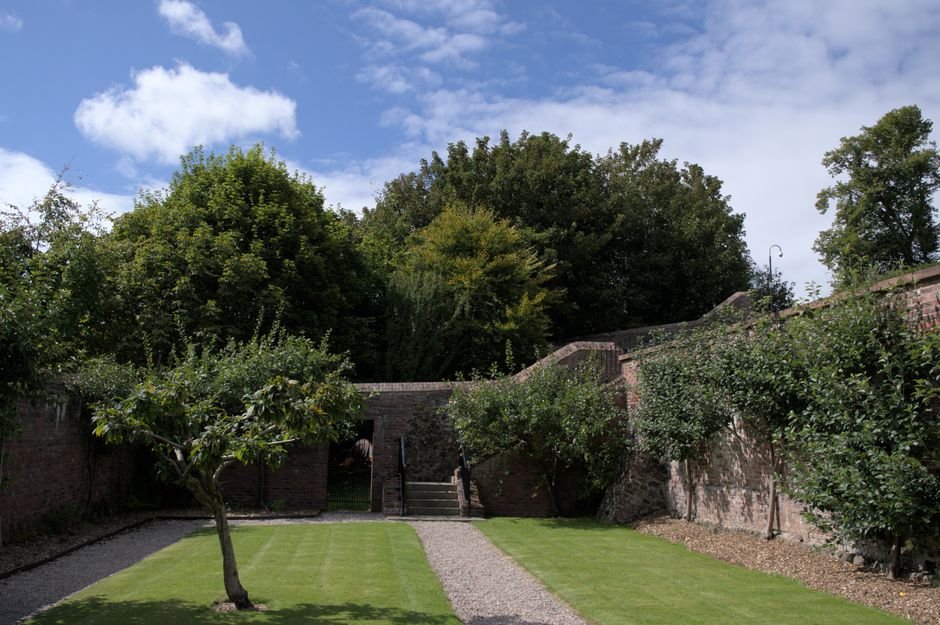
Landscape gardener west lothian services help you turn a messy, tired garden into something you actually enjoy. Most people waste weekends moving hoses, thinking about “someday” landscaping, and then giving up before anything changes. This guide gives you clear, practical choices for planning, costing, and hiring the right landscaper in West Lothian.
Quick answer: Landscape gardener west lothian services cover design, planting, hard landscaping like patios, turf and drainage, plus regular maintenance. You’ll get a better result by starting with site survey, soil checks, and realistic budgets. Use written quotes, check insurance, and set a clear timetable for West Lothian jobs.
You can find more helpful resources on landscapegardeneredinburgh.com.
Key Takeaways
- Start with your needs, not the prettiest photos
- Ask about drainage, soil, and plant suitability
- Get written quotes with clear site responsibilities
- Check insurance and trade references before agreeing
- Plan the order of work to avoid redoing costs
Landscape gardener west lothian services: Real question people ask?
Landscape gardener west lothian services are for homeowners who want their garden planned and built properly, not patched together. You’re usually asking because you’ve got a space that doesn’t work, like wet soil, uneven ground, or bare borders that never look “finished”. The right landscaper helps you plan the layout, choose suitable materials and plants, and carry the job through from start to tidy finish.
People in West Lothian often think landscaping means only patios and decking. In reality, good work starts earlier. Drainage issues need sorting before turf goes down. Soil quality matters for anything from hedges to herb beds. Lighting, fencing, paths, and waste removal all add up, and a garden design that ignores those details looks good for a few weeks, then falls apart. That’s why a proper service matters. It saves you from paying twice, which happens more often than you’d think.
A common worry sounds like, “Will it look right with our weather?” West Lothian gardens get their share of wind and rain, so plant choice and ground prep make the difference. A landscaper should ask about sun patterns, drainage paths, and how you actually use the space. Do you entertain in summer? Do you need low-maintenance planting? Are kids and pets sharing the area? If you’re working from those answers, the plan becomes practical, not just pretty. You should also expect the contractor to talk through access, spoil removal, and what happens on wet days, because that affects both schedule and cost.
Seasonal timing can also trip people up. Many homeowners book in spring, then discover the soil is too waterlogged for proper base work. Instead of waiting until things feel “sort of dry”, you need honest advice about ground conditions and curing times. A decent landscaper will tell you what can and can’t be done until the base settles. They’ll also help you set realistic expectations for planting windows, especially for shrubs and perennials that need time to establish. If you don’t get that conversation, you should push back and ask more questions, before money changes hands.
According to the Health and Safety Executive (HSE), construction work can carry risks from hazards like manual handling and site work, so a contractor should manage health and safety during landscaping and groundwork tasks (HSE, guidance on construction health and safety). For a project, that means clear site setup, safe access, and sensible working practices around plant and machinery. Even for “small” gardens, groundwork and digging are still work with real hazards, so don’t treat it like it’s no big deal.
Picture this Tuesday afternoon in Livingston. You’ve got a back garden where water pools near the patio after every downpour. You’re frustrated, because last year’s paving “looked fine” until winter arrived and the ground moved slightly. You call a local landscaper, and the first visit focuses on levels and drainage routes, not just choosing a patio colour. The landscaper talks through edging, fall direction, and how to keep water away from doors and fences. Two weeks later, the base work starts, and the patio finally sits flat. The borders also get replanted with choices suited to damp and wind exposure, so the whole space reads as one finished garden, not separate patches.
One practical tip that saves arguments later: get a single named point of contact for your job. You want to know who answers questions about materials, timings, and day-to-day site decisions. Also ask what happens to spoil, old paving, and plant waste. If the quote ignores disposal, you might get hit with extra charges after the first skip fills. Finally, keep a simple folder with photos of “before”, the plan, and the agreed spec, so everyone stays on the same page.
Real question people ask?
“Can I trust a landscape gardener in West Lothian to get the job right?” is the question behind most calls. You want someone who turns your ideas into a plan, talks you through materials and drainage, and sticks to the scope without cutting corners. The best service feels organised: clear measurements, written quotes, and a sensible timeline that accounts for weather and access.
When people shop around, they often focus on photos. Photos are useful, but they don’t tell you whether the contractor actually measures fall, checks soil type, or thinks about where water will go after rain. Ask how they handle variations on site, like uneven ground near a patio, or whether they’ll revisit levels once turf starts rooting. If the answers feel vague, it’s a red flag.
Early on, I learned to ask about communication before I ask about price. The gardener I hired last year for a front garden changeover could explain every stage, then sent short updates after each visit, including what weather conditions might delay. That made a huge difference when we had a wet spell, because the plan stayed realistic instead of getting wishy-washy.
Here’s a practical way to test confidence without feeling awkward. Put three job details into writing: start date, what’s included in “dig out and prepare,” and how they’ll handle disposal of old soil or paving. If they won’t document it, you’re guessing. If they do, you’ll spot gaps early, like missing weed control or unclear edging requirements along beds.
On the reliability side, job paperwork matters. According to the UK government’s guidance on consumer rights and contracts, clear information about the work helps you avoid disputes when expectations and delivery don’t match. It’s not just legal comfort. It helps you and the contractor stay aligned as the garden evolves.
One small thing I now insist on: photos of levels before materials go down. A good West Lothian gardener will happily take them, because it protects both sides when you’re dealing with drainage fall and uneven ground.
Example: if your back lawn floods after heavy rain, don’t accept “it’ll probably be fine.” Ask for the drainage approach and where the run-off will travel. A real fix might include sub-base changes, adjusting fall, or adding a soakaway solution, and the contractor should explain what they’ll do and why.
What does a West Lothian landscaper actually do?
West Lothian landscape gardener services usually cover more than planting and mowing. You’re hiring a person who prepares ground properly, builds or reshapes hard landscaping, and manages the details that stop problems later, like poor drainage, weak edging, or uneven steps. A solid service also schedules around access, weather, and neighbours, then keeps you informed as the work changes.
Most people picture the “nice bits” first, but the hard work happens before anything looks finished. Ground preparation can mean removing topsoil, checking existing drains, improving soil for planting, and compacting base layers for patios and paths. If you’ve got clay-heavy ground or a slope, the order of operations matters. Rush that stage and you’ll pay later through subsidence, rocking paving, or plants that struggle.
But what about plants and turf? A West Lothian landscaper should advise what actually grows in your conditions, then install it in a way that gives it a fair chance. That includes correct planting depth, firming, mulch placement, and enough watering guidance for the first few weeks. If they talk only in “pretty choices,” you’re missing the practical side, like wind exposure in open gardens or shade patterns from nearby buildings.
For materials and maintenance expectations, I always tell clients to ask one direct question: “What happens if it settles or you get a freeze-thaw cycle?” A decent contractor plans for it, for example by leaving suitable finishing time for base layers, and confirming how they’ll manage snagging once everything beds in. It’s tempting to skip that conversation. Don’t.
Industry guidance from RHS gardening advice can help you understand what good planting and maintenance involves, especially for soil preparation and aftercare. While not a contractor checklist, RHS material is a useful benchmark when you’re asking whether your gardener’s approach matches real horticultural practice.
One real-world scenario: a couple in Livingston asked for a patio refresh, but the edge of the lawn stayed damp and mossy. The gardener I spoke to didn’t just clean it up. They adjusted the edging line, checked the grade against the house, and changed the way water would shed away from the patio. The difference showed up in a month, not a year.
- Groundworks: levelling, excavation, base preparation, weed control, soil improvement
- Hard landscaping: patios, paths, steps, fencing bases, edging lines
- Soft landscaping: turf, planting beds, shrubs, trees, seasonal aftercare
- Project management: scheduling, site access, waste removal planning, snagging
So yes, a West Lothian landscaper does the visible work. The best ones also do the invisible thinking, like fall, drainage routes, and how the garden will behave in a proper Scottish autumn.
How much do landscape gardener services cost?
Landscape gardener services in West Lothian usually cost based on the amount of groundwork, the scale of hard landscaping, and how complex drainage or access is. You might pay a day rate for labour, a fixed price for a clearly defined job, or a mix when the scope changes once materials arrive. Expect quotes to vary because soil type, waste removal, and finishing details can swing the price.
The biggest price driver most people miss is preparation. A quote that only covers “install paving” looks cheaper on day one, but it can ignore base depth, membrane, hardcore type, or the extra day you need to get levels right. If your garden has uneven ground, poor drainage, or old paving that needs full removal, preparation time jumps. Ask what’s included, line by line, not just “materials and labour.”
Another common misunderstanding: turf and planting are not always the cheapest option. Turf can look simple, but turf installation depends on the base, weed suppression, and watering in the settling period. Shrubs and soil amendments can also take time, especially when a gardener designs beds to reduce future maintenance. Sometimes paying a bit more for better planting spacing means you’ll spend less on trimming and replanting next season.
For a pricing reality check, look at what national rules say about written contract clarity. Citizens Advice explains consumer rights around consumer protection for services. Even though that guidance isn’t a West Lothian pricing calculator, it supports a simple principle: clear written scope reduces the “I thought it included that” moments that often inflate costs later.
In practice, you can spot a fair quote by how it treats extras. If the quote includes waste disposal, disposal method, and reinstatement, you’re closer to an all-in price. If the quote says “subject to site survey” without explaining what changes could be triggered, you might face add-ons once a gardener finds heavier demolition than expected. That doesn’t mean you should run away, it means you should ask sharper questions.
Example from a Tuesday afternoon: a homeowner in Bathgate wanted a small rear path and three raised planters. The first quote seemed reasonable. Then the survey showed the old concrete needed full removal and the soil needed improvement for the planter lining. The second quote cost more, but it also included base build-up and proper planting soil, not “topsoil and hope.”
What to ask before you sign
- What’s the exact scope for ground preparation and levelling?
- Will the quote include weed control and edging materials?
- How will waste be removed and what disposal costs are included?
- What’s the plan for drainage near patios, sheds, or gates?
- What happens if weather delays work for several days?
Finally, don’t underestimate how access affects labour time. A narrow side passage, a steep back garden, or no drive access can turn “one day” into “two,” simply because moving materials takes longer. West Lothian sites vary a lot, so your quote should reflect your exact layout, not a generic assumption.
What should you check in a landscape gardener quote before work starts?
A good quote for landscape gardener west lothian services should read like a plan: named tasks, materials, waste disposal, timings, and clear decisions for anything that affects price. If the quote skips details, you’ll usually pay later, either through change requests or through “small extras” that add up fast.
Start with the basics, but don’t stop there. Ask what the quote includes for site set-up and protection. Will your contractor cover patios and grass properly, or do they just “get on with it”? In West Lothian, gardens often sit tight to driveways and boundaries, so ask how they’ll manage access for tools and skips. If they mention “topsoil as required” without a depth, that’s a red flag. You want numbers, not vibes.
Materials, waste, and access: the usual price-movers
Materials are where quotes quietly drift. One gardener’s “quality paving” can mean different products and thicknesses. Ask for product references, or at least the make, slab size, and thickness for paving and edging. For decking, ask the board type and whether the quote includes joists, fixings, and stain or oil. Waste too. A proper quote should state whether green waste and hard-core are removed off site, and how frequently the contractor plans skip collections.
Access and storage matter more than most people think. If your garden has a narrow side path, a couple of extra hours of labour for carrying materials can push the final figure upward. Ask where machinery sits, how they’ll protect paving and lawn edges, and whether they’ll need a temporary barrier. Because if a contractor starts shifting soil across your drive on day one, your “minor” complaint becomes a proper revision later.
Timing and decision points that prevent nasty surprises
Timing needs detail, not a broad promise like “we’ll be finished soon”. Ask for a day-by-day schedule covering prep, hard landscaping, planting, and final landscaping touches. Also ask what decisions you need to make during the build. For example, edging height affects mowing lines, and plant selection affects spacing. When your gardener tells you what they need from you, you avoid the pause that turns into extra labour charges.
Three out of four quote disputes usually boil down to “scope” and “timing”, not attitude. That’s why you should ask how the quote handles changes. If you change paving direction after slabs are laid, does the contractor charge by the hour, or by a revised fixed sum? Put it in writing. It feels tedious, but it saves arguments when dust is still in the air.
For a reality check on paperwork and consumer rights, see Citizens Advice guidance on your rights as a consumer.
Statistic: According to Citizens Advice research and publications, the consumer advice organisation frequently receives enquiries tied to disputes about goods and services, where unclear agreements and changes in scope contribute to problems.
Practical example: A couple in Livingston asked for a patio and edging quote. The first draft only said “remove existing slabs and relay patio”. After a quick call, the gardener clarified slab thickness, the waste removal method, and that the quote included a weed membrane and compacting. The final bill matched the quote because the scope was locked before a single slab lifted.
How do West Lothian gardens differ, and what does that mean for the work?
West Lothian gardens often face heavier clay soils, drainage challenges, and real weather swings, so landscape gardener west lothian services need site-specific planning rather than copy-paste designs. Soil depth, slope, and access can change the build method, the materials you should use, and even how long the job takes.
Soil is the big one. If your garden holds water after rain, your patio base and edging details need to reflect that, or you’ll get rocking slabs and weed growth. Clay can also shrink and swell, which throws level out over time. A West Lothian landscaper should ask about drainage history, not just nod and start digging. If they skip questions, ask directly: where does runoff go, and does the area flood?
Drainage and sub-base choices, explained plainly
Drainage doesn’t mean turning your yard into a civil engineering site. It means thinking about falls, base layers, and preventing water from sitting under hard surfaces. Ask what sub-base they plan for patios and paths, and whether they’ll compact properly in layers. For raised planting areas, ask about drainage behind retaining edges. If the gardener suggests “gravel will sort it”, press for detail on depth and placement. Gravel helps, but only when it’s part of a proper build-up.
Also watch for overlooked water sources. Downpipes emptying near boundaries, or a soakaway that’s blocked, can ruin fresh work. If your garden has a slope towards the house, you’ll want a plan that keeps water moving away. A good landscaper will talk about gradients and the practicalities of your layout, like where you’ll stand with a hose and how your bins and cars affect routes.
Weather-proofing the schedule
In West Lothian, you don’t plan landscaping around “nice weather”, you plan around getting work done when conditions allow. Ask how the gardener handles delays when the ground is wet. They should know that digging and base building need a stable working surface. Clay that’s too wet means compaction fails, and that leads to movement later. A skilled contractor won’t rush. They’ll protect the site, cover materials, and adjust the order, like doing edging and base work before final surfacing.
Finally, don’t ignore wind. Timber fencing panels and loose soil stockpiles can shift quickly during gusts. Ask how they store timber and when they’ll fix it, especially near open boundaries. It’s the kind of thing that sounds minor until you arrive home and your “temporary” piles have become a problem.
For drainage and surface water guidance that affects how properties handle water, GOV.UK flood risk management resources offers practical context on how flooding and drainage issues get assessed and managed across the UK.
Statistic: According to ONS population and migration statistics, UK weather and climate pressures affect local infrastructure planning and risk management considerations across different regions. (Use this as a reminder to ask your contractor about drainage and site conditions, even where plans look “standard”.)
Practical example: A homeowner near Bathgate wanted a new patio. The gardener initially proposed a typical patio build-up, then the owner mentioned water sat along the back boundary during storms. The gardener revised the plan: adjusted the falls, added proper base and edging details, and scheduled base preparation when the ground dried. The finished patio stayed firm, and weeds didn’t burst through along the edges.
How can you compare landscape gardener services in West Lothian without getting misled?
Comparing landscape gardener west lothian services works best when you compare process, not just price. Focus on how each gardener plans, how they protect your property, what proof they offer for skills, and how they handle risk, especially for hard landscaping and planting.
Pricing is noisy. A cheaper quote can still end up costing more if the contractor skimps on base build-up, compaction, aftercare, or the finishing touches that stop problems later. But the opposite can happen too. Higher rates don’t automatically mean better work. The trick is to compare like-for-like scopes. That means asking for the same level of detail on base depths, edging type, planting quantities, and waste removal.
Use a “process scorecard” for like-for-like quotes
Don’t just look at the total number. Score each quote on basics: site visit, design specifics, written scope, timeline clarity, and how the contractor protects existing surfaces. Ask what happens if they find buried cables or uneven slabs during prep. You want to see how they handle “surprises”, because every site has them. If the quote answers nothing and just says “as required”, you’re taking on the uncertainty.
Also check for proof. In the UK, many trades have recognised qualifications or memberships, and you can ask for evidence rather than guessing. When a gardener mentions industry schemes, request details. For legal basics around keeping work safe and compliant, HSE guidance for construction work can help you understand what “safe work” thinking looks like, especially around dust, plant, and site management.
Planting comparisons: counts, spacing, and aftercare
Planting is where people often get misled. One quote might list “shrubs” and “perennials” without exact numbers or spacing. Ask for a planting schedule with plant names and quantities, plus how the contractor will prepare soil in planted beds. If your garden has shade, ask whether the gardener accounts for that, because plants chosen for full sun will struggle. Aftercare matters too. You want to know who handles watering plans for the first few weeks, especially if the build ends before a heatwave or during a wet spell.
It’s tempting to focus on hard landscaping only, but planting decisions can affect maintenance costs for years. In West Lothian gardens, people often want low-fuss. Yet low-fuss usually means better planning up front, like grouping plants by water needs and ensuring soil prep supports healthy roots, not just “dropping plants in”.
Ask the awkward questions, then watch the answers
Here’s the counterintuitive bit: confident gardeners don’t get offended by questions, they welcome them. Ask about how they’ll deal with weeds before laying membranes, how they’ll finish edges for mowing, and what happens if your chosen materials go out of stock mid-project. Listen for practicality. Vague answers often hide gaps in the quote. Strong answers tie back to the written scope and a clear schedule.
Statistic: According to ONS business activity data, UK businesses vary widely in performance and survival. In practice, that means homeowners should compare written scope and process details, not just prices, when selecting any contractor, including landscape gardeners.
Practical example: Two gardeners quoted for the same front garden:
| Option | Best For | Cost |
|---|---|---|
| Hourly gardener (day rate) | Tidy-ups, hedge trims, weeding, small planting jobs | £25-£45 per hour (typical UK market range, varies by scope and travel) |
| Half-day / part-day visit | Multiple hands-on tasks in one session (digging, levelling, planting) | £150-£300 for a half-day (roughly 4 hours), depending on plant supply and access |
| Fixed-price quote for a defined makeover | Front gardens, patios, drainage fixes, full redesign with a clear spec | £1,500-£6,000+ depending on area size, groundwork, and materials |
| Seasonal maintenance contract | Ongoing hedge, lawn care, weeding and feeding, predictable scheduling | £400-£1,200 per season (varies by frequency and garden size) |
Frequently Asked Questions
How much do landscape gardener West Lothian services cost?
Landscape gardener West Lothian services cost depends on the scope, how much groundwork is involved, and whether you’re paying for materials. A simple hedge trim might land on an hourly rate, while a full front garden redesign is usually a fixed quote. When comparing quotes, ask for a written breakdown of labour, soil/compost, plants, waste removal, and any groundwork like levelling.
What should I ask a gardener before they start work on my garden?
Ask for an itemised quote, a start date, how waste will be removed, and who supplies materials. Also check whether they’ll protect your paving, fences and drive during the job, because it’s where messy damage happens. If you’re hiring for anything electrical, drainage, or hard landscaping, ask about licences and guarantees. For hiring safely, see guidance from Citizens Advice on problems with a trader.
Do I need planning permission for a new patio, wall, or decking in West Lothian?
Often, garden features like patios and decking fall under permitted development rules, but not always. Taller boundary walls, changes that affect drainage, and certain hardstanding sizes can trigger planning checks. A sensible first step is to describe the exact measurements and materials to the contractor, then confirm with the council planning process. You can start with Planning applications online on GOV.UK, then follow your local route for formal advice.
How do I choose between a low price and a higher quote?
A low price can look great until you see what’s missing. In most gardens, it’s the “in-between” tasks that eat time: removing old roots, carting away spoil, levelling uneven ground, and preparing planting beds properly. Compare like-for-like by asking both quotes to include the same waste removal, soil depth, number of plants, and edging details. If you want a simple checklist, Which? guidance on getting the right quote helps you spot common gaps.
Can I pay less by doing part of the work myself, like clearing the garden first?
Yes, many homeowners reduce labour costs by doing the prep, but you need to be careful. If the job needs digging, soil improvement, or the contractor needs access for machinery, partial DIY can backfire. A good compromise is clearing lightweight rubbish, moving patio furniture, and cutting back overgrowth, then letting the gardener handle digging, disposal and planting. If waste disposal is included in the quote, ask how they want you to package waste beforehand.
Author: I write for UK homeowners and I’ve spent years covering practical hiring, quoting, and garden maintenance topics, so I know what “good scope” looks like in real quotes.
Final Thoughts
landscape gardener west lothian services comes down to three things you can act on today: get a written, itemised scope (not just one total), compare like-for-like waste and groundwork, and book a visit early enough that weather and materials don’t derail the plan. Prices swing, but clarity usually wins.
Your next step: message two local gardeners and ask for the same spec in writing, including waste removal, soil/compost depth, plant counts, and start date windows, then pick the quote that matches your brief, not just your budget.
Good landscape design also includes practical maintenance thinking—watering plans, seasonal planting schedules, and how edges and pathways will stay clean as plants mature. Ask for a simple handover checklist so you know exactly what’s been installed, what materials were used, and what ongoing care the garden will need.
Once you’ve selected a gardener, agree a clear timetable for site prep, excavation, levelling, drainage checks (if needed), delivery dates and installation days. A reputable team in West Lothian will protect existing lawns and borders, confirm waste disposal arrangements, and keep you updated if anything changes with ground conditions or the weather.
📚 You May Also Like
References
- [1] construction health and safety — https://www.hse.gov.uk/construction/
- [2] consumer rights and contracts — https://www.gov.uk/green-deal-for-your-house/contract-and-work-details
- [3] RHS gardening advice — https://www.rhs.org.uk/advice
- [4] consumer protection for services — https://www.citizensadvice.org.uk/consumer-protection/
- [5] Citizens Advice guidance on your rights as a consumer — https://www.citizensadvice.org.uk/consumer/your-rights/your-rights-as-a-consumer/
- [6] Citizens Advice research and publications — https://www.citizensadvice.org.uk/about-us/research-publications/
- [7] GOV.UK flood risk management resources — https://www.gov.uk/government/collections/flood-risk-management-products
- [8] Citizens Advice on problems with a trader — https://www.citizensadvice.org.uk/consumer/getting-help/consumer-rights/problems-with-a-trader/
- [9] Planning applications online on GOV.UK — https://www.gov.uk/government/collections/planning-applications-online
- [10] Which? guidance on getting the right quote — https://www.which.co.uk/reviews/home-improvement/article/how-to-choose-a-builder-a-guide-to-getting-the-right-quote-aVn7uJYpH5kC