Modern Landscape Design Trends and Their Impact on Outdoor Spaces
As outdoor spaces continue to evolve, modern landscape design trends are reshaping how you interact with your environment. These trends focus not only on aesthetics but also on sustainability and functionality. Here are some key trends shaping contemporary landscape design.
Sustainable Landscaping
One of the most significant trends in modern landscape design is sustainability. Homeowners are becoming increasingly aware of the environmental impact of landscaping choices. Here are some sustainable practices gaining popularity:
- Native Plants: Using plants that are indigenous to your area can significantly reduce water usage and support local wildlife.
- Xeriscaping: This landscaping technique minimizes the need for irrigation, making it an excellent choice for regions facing droughts.
- Rain Gardens: Implementing rain gardens helps manage stormwater and can improve your landscape’s aesthetics. They filter pollutants and increase water absorption.
Minimalistic Design
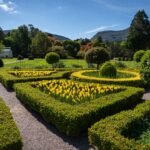
Simplicity is at the core of modern landscape design. Clean lines, open spaces, and understated features allow you to appreciate the beauty of nature without distraction. You’ll find that minimalistic gardens are easier to maintain and can serve as a tranquil space to relax. Key elements include:
- Geometric Shapes: Square or rectangular garden beds can create a structured look.
- Monochromatic Color Schemes: Limiting color palettes enhances the sophistication of your outdoor area.
- Focal Points: Use sculptures or water features to draw the eye.
Outdoor Living Spaces
Transforming outdoor areas into livable spaces is another trend gaining traction. Making your exterior as functional as your interior means you can enjoy your yard more frequently. Common features for outdoor living spaces include:
- Decks and Patios: These provide a foundation for seating and dining areas, enhancing usability.
- Outdoor Kitchens: Installing grills and cooking zones allows for entertaining family and friends in style.
- Fireplaces and Fire Pits: These features create a cozy atmosphere for evening gatherings.
Smart Technology in Landscaping
Integrating technology into landscape design is becoming more common. Smart irrigation systems, for example, can optimize water use. Other tech trends include:
Get quote here: landscapegardeneredinburgh.com
- Programmable Lighting: This allows you to control when your outdoor lights turn on and off, enhancing security and mood.
- Robot Lawn Mowers: These can save you time and energy when keeping your yard tidy.
- Apps for Plant Care: Many applications can help you monitor plant health and provide watering reminders.
Installation Costs
With these modern trends come varying installation costs. Understanding what to expect can help you budget effectively. Here’s a rough breakdown of potential costs:
| Feature | Estimated Cost |
|---|---|
| Native Plant Garden | $15 – $50 per plant |
| Xeriscaping | $5,000 – $15,000 |
| Outdoor Kitchen | $5,000 – $25,000 |
| Fire Pit Installation | $300 – $1,500 |
Being informed about these costs will allow you to make smarter decisions about your landscape development. Investing in modern design trends not only enhances your home’s outdoor appeal but can even boost property values.
Modern landscaping trends focus on creating spaces that blend beauty with utility, catering to both personal needs and environmental concerns. To learn more about sustainable landscaping practices and design ideas, visit Landscape Ontario or explore LawnStarter’s blog for detailed guides and tips.
Key Elements of Sustainable Landscape Design
Sustainable landscape design focuses on creating outdoor spaces that are both aesthetically pleasing and environmentally friendly. natural elements, native plants, and efficient resources will enhance not only the beauty but also the health of our ecosystems. Here are some key elements that are central to sustainable landscape design.
Native Plant Selection
Choosing native plants is one of the most effective strategies for sustainable landscaping. These plants are adapted to the local climate and soil, requiring less water, fertilizer, and maintenance. By planting native species, you can create a resilient and low-maintenance garden that supports local wildlife.
Get quote here: landscapegardeneredinburgh.com
Benefits of Native Plants
- Lower water consumption
- Reduced need for chemical fertilizers
- Attracts local pollinators such as bees and butterflies
- Enhances local biodiversity
Water Conservation Techniques
Efficient water management is crucial in sustainable landscape design. Techniques like rain gardens, permeable paving, and drip irrigation systems help collect and utilize rainwater, reducing dependency on municipal water supplies.
Effective Water Conservation Practices
- Rain Barrels: Capture rainwater from rooftops, which can be used for irrigation.
- Drip Irrigation: Deliver water directly to plant roots, minimizing evaporation and runoff.
- Mulching: Helps retain moisture in the soil while suppressing weeds.
Soil Health and Management
Healthy soil is the backbone of any sustainable landscape. Adding organic matter, such as compost, improves soil structure, enhances nutrient availability, and encourages beneficial microorganisms. Soil testing allows you to tailor amendments to ensure optimal growth conditions.
Strategies for Maintaining Soil Health
- Use organic compost instead of chemical fertilizers.
- Practice crop rotation and polyculture for diverse plant health.
- Implement cover cropping to protect soil and enhance fertility.
Efficient Outdoor Lighting
When designing your landscape, consider energy-efficient lighting solutions. LED lights consume less energy and have a longer lifespan than traditional bulbs. Solar-powered lights can reduce electricity costs and help create eco-friendly outdoor spaces.
Outdoor Lighting Options
- LED Lights: Energy-efficient and long-lasting.
- Solar Lights: Harness the sun’s energy, minimizing energy costs.
- Motion-Sensor Lights: Activate only when needed, saving energy.
Wildlife Habitat Creation
Creating habitats for wildlife fosters biodiversity and supports the local ecosystem. Including features like birdhouses, butterfly gardens, and water sources will invite various creatures to your landscape, promoting a balanced environment.
Get quote here: landscapegardeneredinburgh.com
Key Habitat Elements
- Food Sources: Incorporate fruiting plants and flowers.
- Water Features: Provide ponds or bird baths for hydration.
- Shelter: Create brush piles or plant dense shrubs.
Eco-Friendly Hardscaping Materials
When adding patios, walkways, or retaining walls, opt for sustainable materials. Recycled or reclaimed materials can reduce the carbon footprint of your project. Additionally, porous pavement allows water to infiltrate the ground, decreasing runoff and promoting groundwater recharge.
Popular Eco-Friendly Materials
- Recycled concrete
- Natural stone
- Brick made from reclaimed materials
Implementing these key elements of sustainable landscape design will not only create a beautiful outdoor space but also promote ecological wellness. To learn more about sustainable landscaping practices, visit Sustainable Landscaping and explore additional resources that can guide your efforts.
Balancing Aesthetics and Functionality in Modern Landscapes
Creating modern landscapes requires a harmonious blend of aesthetics and functionality. Homeowners and landscape designers are increasingly recognizing the importance of balancing beauty with practical needs. When embracing this approach, consider various elements that enhance both the visual appeal and usability of outdoor spaces.
Understanding Aesthetics in Landscape Design
Aesthetics play a crucial role in landscape design, as they impact the overall joy and satisfaction of a space. Beautifully designed landscapes can elevate the mood of a home and create a welcoming atmosphere. When working on these designs, the key elements include:
Get quote here: landscapegardeneredinburgh.com
- Color: Choose a palette that complements your home and the natural setting. Seasonal colors can enhance the landscape’s beauty throughout the year.
- Texture: Incorporate various materials and plants with different textures. Mixing smooth stones, rough bark, and delicate flowers can add depth and interest.
- Form: Plan the layout of plants, paths, and structures carefully to create a balanced and harmonious composition. Curvy paths and interesting shapes can lead the eye through the landscape.
The Importance of Functionality
While aesthetics are essential, functionality should never be overlooked. A beautiful landscape must serve the needs of those who use it, providing comfort and ease of maintenance. Consider these functional aspects:
- Space Utilization: Make the most out of your available space. Design areas for entertainment, relaxation, and play to ensure your landscape meets your lifestyle.
- Maintenance: Choose plants and materials that are low maintenance, especially if you lead a busy life. Native plants often require less water and upkeep.
- Accessibility: Ensure that paths and areas are navigable for everyone, including those with mobility challenges. This not only enhances usability but also increases the safety of your landscape.
Innovative Design Elements
To effectively merge aesthetics and functionality, consider incorporating innovative design elements that serve both purposes:
- Outdoor Lighting: Good lighting design enhances safety and ambiance. Use soft lighting to highlight key features while ensuring walkways are well-lit.
- Water Features: Ponds, fountains, or waterfalls add a calming element to your landscape. They can also help with air quality by providing natural humidity.
- Sustainable Features: Rain gardens and permeable pavements not only look good but also manage water runoff effectively, promoting a healthier environment.
Assessing Costs
Before undertaking a landscape project, it’s important to understand the costs involved. Modern installations can vary greatly based on materials, size, and design complexity. Here’s a breakdown of potential costs:
| Item | Estimated Cost |
|---|---|
| Sod Installation | $0.75 – $2 per square foot |
| Planting Trees | $50 – $500 depending on size |
| Hardscaping (patios, walkways) | $10 – $30 per square foot |
| Water Features | $1,000 – $15,000 depending on complexity |
| Landscape Lighting | $100 – $400 per fixture |
Consider reaching out to professionals to get quotes that reflect your specific vision and location, as these can impact the overall budget significantly.
Get quote here: landscapegardeneredinburgh.com
Staying Current with Trends
The landscape design field is always evolving, and staying updated on modern trends can help you create more appealing and functional spaces. Some current trends include:
- Vertical Gardens: These spaces are perfect for small areas and add a unique aesthetic while maximizing plant usage.
- Edible Landscapes: Combining beauty with function, these landscapes incorporate fruit trees, vegetable patches, and herb gardens.
- Eco-Friendly Designs: Sustainability is critical. Using recycled materials and native plants not only looks great but reduces environmental impact.
For more information on landscape design trends, visit Landscape Management or check out Houzz for inspiration.
Whether you’re designing a residential backyard or a commercial space, balancing aesthetics and functionality is critical to creating a space that not only looks good but also serves its intended purpose.
Innovative Materials for Landscape Installation
Landscape design continues to evolve, introducing innovative materials that reflect sustainability, aesthetics, and practicality. As homeowners and designers seek to create unique outdoor spaces, innovative materials play a crucial role in enhancing the functionality and beauty of landscapes. Understanding these materials can help you make informed decisions for your landscape installation projects.
Recycled Materials
Recycled materials are an eco-friendly option that promotes sustainability in landscape design. Using repurposed items not only reduces waste but also adds character to your space. Here are some popular recycled materials:
- Reclaimed Wood: Perfect for decking, fencing, or garden beds, reclaimed wood offers a rustic charm.
- Recycled Pavers: Made from crushed concrete or brick, these pavers are durable and visually appealing.
- Upcycled Glass: This can be used in paths, aggregate for concrete, or decorative features.
Geopolymer Products
Geopolymer materials are an innovative alternative to traditional concrete. They are made from natural materials like clay and fly ash, which are abundant. The benefits include:
- Reduced carbon footprint compared to traditional cement
- High durability and weather resistance
- Versatile applications for pathways, patios, and retaining walls
Composite Materials
Composite materials combine wood fibers with recycled plastics, resulting in a product that is both strong and low-maintenance. They are often used for:
- Decking: These surfaces resist weathering and are available in various colors.
- Fencing: Composite fencing is durable and doesn’t require frequent maintenance.
- Outdoor Furniture: This material is perfect for creating long-lasting garden benches and tables.
Living Walls
Living walls, or vertical gardens, are a fantastic way to incorporate greenery into limited spaces. These installations use a variety of innovative materials:
- Modular Panels: These panels hold soil or growing mediums for plants.
- Irrigation Systems: Built-in drip irrigation helps maintain plant health.
- Insulating Materials: Many living walls provide insulation which can improve energy efficiency.
Smart Irrigation Systems
The future of landscape installation includes incorporating technology into traditional materials. Smart irrigation systems are innovative tools that use:
- Soil moisture sensors to measure water needs
- Weather data to determine when to irrigate
- Automated timers for hassle-free maintenance
Natural Stone Alternatives
For those who love the look of natural stone but want a lighter or more affordable option, faux stone products are available. These can mimic the appearance of natural stone while being:
- Lightweight and easier to transport
- Less expensive than real stone
- Easy to install and maintain
Cost Considerations
While the choice of innovative materials can enhance your landscape design, it’s crucial to consider the installation costs. The following table provides an overview of estimated costs for key materials:
| Material | Estimated Cost per Square Foot |
|---|---|
| Reclaimed Wood | $10 – $30 |
| Geopolymer Products | $15 – $25 |
| Composite Decking | $20 – $35 |
| Living Walls | $60 – $100 |
| Faux Stone Products | $10 – $20 |
These innovative materials into your landscape project can not only beautify your space but can also align with sustainable practices. For more insights on landscape materials and installation, visit resources like Landscape Online or Lawn & Landscape.
As you embark on your landscape design journey, consider how innovative materials can change not just the appearance but also the environmental impact of your project. Making smart choices now will benefit you for years to come.
The Role of Technology in Landscape Design
Technology has profoundly transformed the world of landscape design, making it more innovative, efficient, and accessible. From advanced software tools to smart irrigation systems, technology enhances every aspect of the landscape design process, making it crucial for both professionals and homeowners looking to create beautiful outdoor spaces.
One of the most significant advancements in landscape design is the use of computer-aided design (CAD) software. This technology enables landscape architects to create detailed and precise renderings of their designs. With tools like AutoCAD, designers can manipulate their projects in a digital environment, allowing for real-time adjustments and enhancing collaboration with clients. These software applications make it easier to visualize the final outcome, ensuring that you get exactly what you desire from the design process.
Get quote here: landscapegardeneredinburgh.com
In addition to CAD, 3D modeling software has emerged as a game-changer in the field. Programs like SketchUp and Rhinoceros offer new dimensions of visualization. By creating three-dimensional designs, clients can virtually walk through their future landscapes. This immersive experience not only helps in making more informed choices but also fosters better communication between designers and clients.
Another area where technology plays a vital role is in project management and collaboration tools. Platforms such as Trello and Asana facilitate better communication among team members. They streamline the project timeline, track progress, and assign tasks efficiently. With these tools, managing a landscape project becomes smoother, and you can keep everyone on the same page.
Remote sensing technology and drones have also made their mark in landscape design. Drones equipped with high-resolution cameras can capture aerial views of the land. This data helps designers assess the existing conditions and plan projects more effectively. Furthermore, remote sensing provides insights into soil health, topography, and drainage patterns, ensuring that designs are well-informed and sustainable.
Smart irrigation systems represent another leap forward in landscape management. These systems leverage technology to optimize water usage, promoting sustainability. Products like Rain Bird irrigation systems use weather data to adjust watering schedules automatically. They significantly reduce water waste, which can lead to lower utility bills and a healthier landscape.
Get quote here: landscapegardeneredinburgh.com
| Technology | Benefits |
|---|---|
| CAD Software | Enhances precision and allows for real-time adjustments. |
| 3D Modeling | Provides immersive visualizations for better client communication. |
| Project Management Tools | Facilitates collaboration and keeps project timelines on track. |
| Drones | Offers aerial assessments and insights for effective planning. |
| Smart Irrigation | Optimizes water usage and promotes sustainability. |
Moreover, virtual reality (VR) and augmented reality (AR) are emerging technologies that take landscape design to the next level. With VR, clients can experience their designs before implementation, while AR overlays digital elements onto the real-world landscape. This innovative technology is not only exciting but also useful in ensuring that all elements fit harmoniously together.
As technology continues to evolve, its role in landscape design will undoubtedly expand. Custom applications and automation tools will likely improve project accuracy and reduce costs. For those interested in learning more about how technology can enhance landscape design, resources like the Landscape Architecture Magazine offer valuable insights and latest trends.
Technology has become an integral part of landscape design, offering tools and solutions that make the design process more effective and efficient. Whether you’re a professional landscape designer or a homeowner looking to embark on a landscape project, leveraging technology can lead to more satisfying and sustainable results.
How to Budget for Landscape Projects: Understanding Installation Costs
When planning a landscape project, budgeting is key to ensuring you achieve your vision without overspending. Understanding installation costs involves more than just the price tag; you need to consider various factors that will influence your overall expenditure. This overview will provide you with essential tips on how to effectively budget for your landscape projects.
Factors Influencing Installation Costs
Several elements can affect how much your landscape project will cost. Here are the most critical factors to keep in mind:
Get quote here: landscapegardeneredinburgh.com
- Size of the Area: The larger your landscape project, the more materials and labor you will need, directly impacting the overall cost.
- Type of Materials: Different materials have varying costs. For instance, natural stone is usually more expensive than gravel.
- Labor Costs: Hiring professionals will add to your budget. Rates can differ based on location and expertise.
- Landscape Features: Adding features like patios, water fountains, or outdoor lighting can significantly elevate costs. Consider what elements you truly want.
- Local Regulations: Understanding local ordinances for landscaping can prevent unforeseen expenses due to required permits or modifications.
Creating Your Landscape Budget
To create a solid budget for your landscape project, follow these steps:
- Define Your Goals: What do you want to achieve with your landscape? Create a list of must-haves and wish-list items.
- Research Costs: Get price estimates for materials and labor. Websites like HomeAdvisor can give you a good idea of typical costs in your area.
- Choose a Landscape Designer: If your project is ambitious, consider hiring a landscape designer. Their expertise can save you money in the long run.
- Create a Contingency Fund: Set aside at least 10-20% of your total budget for unexpected expenses.
Estimating Installation Costs
Understanding how to calculate installation costs can help you stay on track with your budget. Here’s a simple breakdown:
| Item | Cost Per Unit | No. of Units | Total Cost |
|---|---|---|---|
| Soil Preparation | $100 | 1 | $100 |
| Plants and Shrubs | $20 | 50 | $1,000 |
| Sod Installation | $0.50 | 500 sq ft | $250 |
| Hardscaping Materials | $10 | 100 sq ft | $1,000 |
| Labor Costs | $50 | 20 hours | $1,000 |
| Total Estimated Cost | $3,350 | ||
Tips for Saving Money
Budgeting for a landscape project can often lead to unexpected expenses. Here are some tips to help you save money while still creating your dream outdoor space:
- DIY: If you have the skills and time, consider doing some tasks yourself, such as planting or mulching.
- Shop Around: Compare prices from different suppliers for materials to find the best deals.
- Use Native Plants: Native plants often require less maintenance and can thrive in your local climate, saving you money on water and care.
- Plan for the Long Term: Investing in durable materials may seem expensive initially, but they can help you save money on replacements in the future.
By understanding installation costs and being proactive about your budgeting, you can create a landscape that meets your needs and looks beautiful without breaking the bank. For more detailed insights on landscaping, visit Landscaping Network and explore their resources.
Get quote here: landscapegardeneredinburgh.com
Following these guidelines will empower you to approach your landscape project with confidence, making the entire process enjoyable and rewarding.
Seasonal Considerations in Landscape Design and Maintenance
When considering landscape design and maintenance, it’s crucial to adapt your approach based on the seasons. Seasonal changes affect plant growth, soil conditions, and overall aesthetic appeal. To maintain a vibrant outdoor space that thrives throughout the year, let’s explore how to align your landscaping efforts with seasonal variations.
Spring: A Time for Renewal
Spring is the season of growth. It’s the perfect time to plant perennial flowers, shrubs, and trees. Here are some key actions to consider:
- Prepare the soil by adding compost to enhance nutrient-rich content.
- Choose plants that bloom in spring, such as tulips, daffodils, and peonies.
- Conduct thorough maintenance by pruning shrubs and trees that may have been dormant during winter.
All of these tasks contribute to a robust and colorful landscape that invites the beauty of spring.
Get quote here: landscapegardeneredinburgh.com
Summer: Maintaining Vibrancy
As temperatures rise, the landscape demands more care to keep it lush and vibrant.
- Implement a consistent watering schedule, especially during dry spells.
- Utilize mulch to retain soil moisture and reduce weeds.
- Deadhead flowering plants to promote continued blooms.
Beyond maintenance, consider enhancing your outdoor space with summer-friendly additions like seating arrangements or outdoor kitchens, allowing you to spend more time outdoors.
Fall: Preparing for Winter
Fall is the ideal time to prepare your landscape for winter. With the arrival of cooler temperatures, the following steps are vital:
- Rake leaves regularly to prevent fungal diseases in the lawn.
- Plant hardy bulbs for spring flowers, including hyacinths and crocuses.
- Prune trees to remove dead branches and improve air circulation before winter.
Taking proactive measures now will ensure a healthier garden come spring.
Get quote here: landscapegardeneredinburgh.com
Winter: Protecting Your Landscape
Winter can be harsh, and your landscape will need protection to weather the cold months.
- Wrap young trees with burlap to shield them from harsh winds and frost.
- Monitor watering needs; plants can still lose moisture despite the cold.
- Keep up with garden design by planning spring projects, such as new flowerbeds or pathways.
Investing time in winter preparation will pay dividends when warmer weather returns.
Seasonal Plant Choices
Choosing plants that will thrive each season is key to a flourishing garden. Below is a table that highlights plants suited to each season:
| Season | Plant Types |
|---|---|
| Spring | Tulips, Daffodils, Peonies |
| Summer | Sunflowers, Marigolds, Zinnias |
| Fall | Chrysanthemums, Asters, Sedum |
| Winter | Holly, Evergreens, Winter Jasmine |
Budgeting for Landscape Maintenance
Understanding the costs involved in seasonal landscape maintenance is essential. Here’s a rough breakdown of potential expenses:
Get quote here: landscapegardeneredinburgh.com
- Spring Cleanup: $100 – $300 (depending on size and services)
- Summer Watering: $50 – $200 (depending on irrigation systems)
- Fall Planting: $250 – $500 (depends on the number of plants)
- Winter Protection: $50 – $150 (for materials)
By budgeting for these seasonal tasks, you can more effectively manage your landscape investment.
For more in-depth knowledge about landscape design, consider visiting Landscape Professionals, which offers resources and expert advice for landscape enthusiasts.
Continued learning about seasonal landscape design and maintenance not only helps you achieve a stunning outdoor space but also increases the longevity and health of your plants. Engaging with the seasonal cycles of your landscape can lead to a more enjoyable and rewarding gardening experience.
Key Takeaway:
In today’s rapidly evolving world of landscaping, understanding the modern landscape design trends and their impact on outdoor spaces is essential for both homeowners and professionals. The new trends lean heavily towards sustainable landscape design, emphasizing ecological balance. Key elements like drought-resistant plants, native species, and organic materials not only benefit the environment but also create beautiful spaces that thrive with minimal chemical input.
Balancing aesthetics and functionality has become a priority in modern landscapes. You want your outdoor space to be visually appealing, but it should also serve practical purposes. For example, creating outdoor living areas that blend seamlessly with the natural environment allows you to enjoy the beauty of nature while having a space for entertainment or relaxation.
Get quote here: landscapegardeneredinburgh.com
Innovative materials play a crucial role in the transformation of outdoor spaces. From recycled plastic lumber to permeable paving solutions, the use of sustainable materials adds character and functionality to landscape designs. These options offer durability and can often reduce long-term maintenance costs, marking a move away from traditional, less sustainable materials.
Technology empowers landscape designers like never before. Tools such as advanced design software, drones, and 3D modeling allow you to visualize your space before any installation begins. With the use of smart irrigation systems, homeowners can maintain their gardens with less water and effort, leading to healthier landscapes.
When it comes to budgeting for landscape projects, understanding installation costs is vital. This involves not only the initial outlay for materials and labor but also long-term maintenance and seasonal considerations. These factors can significantly affect the total investment over time, so it’s important to plan accordingly. Being aware of how to budget effectively can lead to better decision-making and ultimately, more satisfying outdoor spaces.
Integrating modern trends, innovative materials, and technology in landscape design while carefully considering costs and maintenance can create outdoor environments that are both beautiful and sustainable. By focusing on these key elements, you can transform your outdoor spaces into functional and visually stunning areas that enhance your home and align with ecological principles.
Conclusion
Exploring modern landscape design trends reveals how these innovations can transform outdoor spaces into functional and beautiful environments. By embracing key elements of sustainable landscape design, you not only enhance the aesthetic appeal but also contribute positively to the ecosystem. Finding a balance between aesthetics and functionality is crucial, ensuring that your outdoor area is both inviting and practical for everyday use.
Get quote here: landscapegardeneredinburgh.com
Using innovative materials in landscape installation elevates the overall look and durability of your outdoor project. From permeable paving to recycled woods, these options not only support sustainable practices but also provide longevity and unique style. Additionally, the integration of technology into landscape design is paving the way for smarter, more efficient outdoor spaces. Smart irrigation systems, outdoor lighting automation, and garden management apps are just a few examples of how tech can enhance your landscape experience.
Budgeting for landscape projects can seem daunting, but understanding installation costs upfront is vital for any homeowner. It allows for better financial planning and helps prioritize elements that matter most to you. Don’t forget seasonal considerations, as weather impacts both design choices and maintenance routines. Adapting your landscape to different times of the year ensures that your outdoor space remains vibrant and functional year-round.
Embracing these aspects of modern landscape design will undoubtedly enhance your outdoor experience, making your space not only a reflection of current trends but also a sustainable haven for all who enjoy it. As you embark on your landscaping journey, remember that mindful planning and creative design can yield a sanctuary that will be cherished for years to come.