Many vegetable garden beginners want fresh produce from a small patch, raised bed, or a few containers at home. Many new growers feel unsure about where to start, which crops to pick, and how to avoid common mistakes. This guide will show you how to plan a simple plot, choose easy vegetables, and build good habits that make growing easier.
Quick answer: Vegetable garden beginners should start with a sunny, manageable space, improve the soil, grow a few reliable crops, and follow a simple routine for watering, feeding, and harvesting. A small, well-planned vegetable garden usually gives better results than a large plot with too many crops.
Key Takeaways
- Start small and keep the layout simple.
- Choose a sunny spot with easy access.
- Grow reliable crops such as salad leaves and beans.
- Water consistently, not randomly.
- Healthy soil supports stronger plants.
How do vegetable garden beginners start the right way?
Vegetable garden beginners start the right way by keeping the first growing space small, sunny, and easy to manage. A simple plan usually includes one clear site, a few reliable crops, workable soil, and a regular routine for watering and weeding. A modest start helps new growers learn faster because problems stay manageable and harvests feel rewarding rather than stressful.
Vegetable gardens perform best in a spot with plenty of light, shelter from strong wind, and easy access to water. Most edible crops need around six hours of direct sun on most days, and many crops produce better when a gardener can check the plot quickly each morning or evening. A patch near the house often works better than a larger plot tucked at the end of the garden, because convenience supports consistency and consistency supports healthier plants.
Vegetable garden beginners often succeed faster when the first plot stays compact. A raised bed, a few deep containers, or a narrow border can provide enough room for lettuce, beetroot, carrots, spring onions, and dwarf beans without creating a maintenance burden. A clear bed shape also makes crop spacing easier, helps with planning, and reduces the temptation to cram in too many plants that will later compete for light, water, and nutrients.
Start with the site before the seeds
Soil preparation matters more than buying lots of seed packets. Gardeners can improve most beds by removing weeds, loosening compacted ground, and mixing in garden compost or well-rotted organic matter to support structure and drainage. Container growers need a peat-free compost suitable for vegetables and pots with drainage holes, because soggy roots often lead to poor growth, yellow leaves, and disappointing crops even when the plants looked healthy at the garden centre.
According to the RHS, salad leaves, radishes, and potatoes rank among the easiest edible crops for beginners in UK gardens, based on practical growing advice published by the RHS for home gardeners. RHS guidance also consistently recommends sun, fertile soil, and steady moisture for productive crops, which makes planning the bed just as important as choosing the vegetables. A useful first example is a 1.2 metre by 2.4 metre bed planted with lettuce, radishes, bush beans, and courgettes.
Routine turns a hopeful plan into a productive garden. New growers should walk the plot several times each week, check moisture below the surface, remove weeds while small, and harvest little and often to keep plants productive. Gardeners who want more design ideas for layout and access can see Is Landscaping Gardening?, because path width, bed shape, and watering access all affect how easy a vegetable patch feels to manage.
What vegetables are easiest for beginners to grow in the UK?
The easiest vegetables for beginners in the UK are crops that germinate reliably, grow quickly, and cope with ordinary garden conditions. Good starter choices usually include lettuce, radishes, beetroot, potatoes, courgettes, spring onions, and dwarf French beans. Easy crops build confidence because the gardener sees visible progress, learns basic care, and often harvests something useful within a short period.
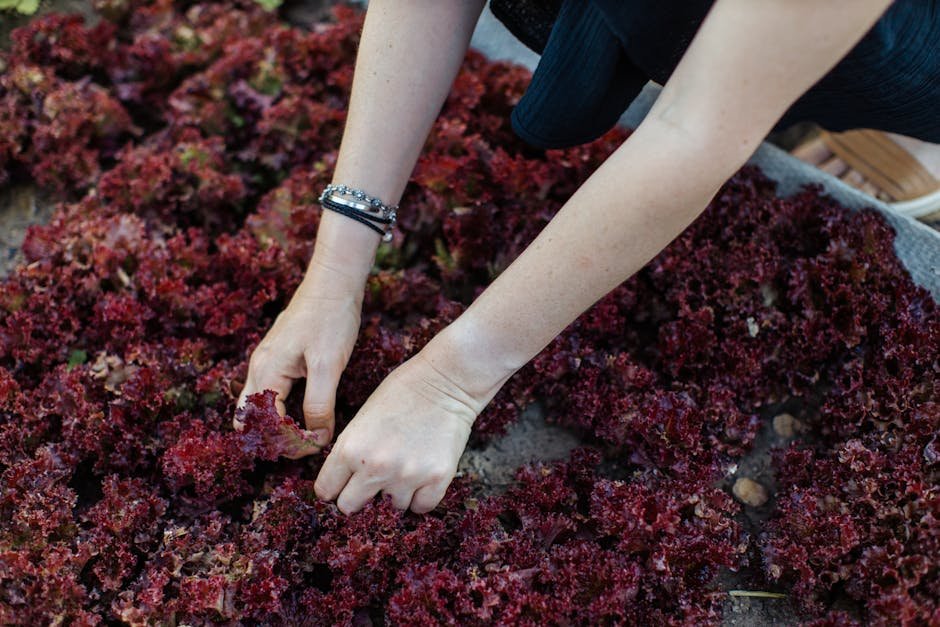
Leafy crops make an excellent first choice because the harvest comes quickly and the care routine stays simple. Lettuce and mixed salad leaves can grow in containers, raised beds, and even window boxes with reasonable sun, and gardeners can pick outer leaves while the plant continues producing. Spring onions work in the same spirit, because the plants take little space, fit between slower crops, and show a clear visual response when watering and feeding are on track.
Root crops can also suit a first garden when the soil is reasonably stone-free and not heavily compacted. Radishes mature fast, which makes them ideal for impatient beginners, while beetroot offers both roots and edible leaves, giving better value from a small bed. Carrots can work well too, but many beginners find short-rooted varieties easier in deep containers or raised beds where the growing medium stays loose and roots can develop without twisting around stones.
Choose crops that reward simple care
Potatoes, courgettes, and dwarf beans often give generous harvests from a manageable amount of effort. Potatoes can grow in the ground or in bags, courgettes become productive once the weather warms, and dwarf beans stay more compact than climbing types, so the support system remains straightforward. Those crops also teach useful lessons about spacing, feeding, and harvest timing, because gardeners quickly see how crowding, dry soil, or missed picking can affect overall performance.
According to the RHS, courgettes are among the heaviest cropping vegetables for home gardens, and even one or two healthy plants can provide a substantial yield through the season. RHS practical advice for UK growers also lists broad beans, runner beans, potatoes, radishes, and salad leaves as accessible choices for people building confidence at home. A practical beginner example is one raised bed with two courgette plants at the corners, a middle row of beetroot, and a front strip of cut-and-come-again lettuce.
Crop choice should also match household eating habits. A beginner who dislikes cabbage will not enjoy protecting brassicas from pests, while a family that eats salads several times each week will appreciate leaves, herbs, and spring onions within easy reach. Vegetable garden beginners often do better with fewer crops they actually cook and eat, because familiar produce encourages regular harvesting, better kitchen use, and a stronger sense that the garden is paying off.
How can beginners avoid common vegetable gardening mistakes?
Beginners avoid common vegetable gardening mistakes by growing fewer crops, spacing plants properly, and following a simple care routine. Most early problems come from overwatering, underwatering, poor spacing, weak light, and trying to manage too much at once. A clear plan, regular checks, and realistic expectations help new growers prevent small issues from turning into failed crops.
Overcrowding causes many avoidable setbacks in home plots. Seed packets can make rows look sparse at first, but young plants need room for roots, airflow, and future growth, and cramped crops often stay small or become more prone to mildew and slug damage. Thinning can feel wasteful to a new gardener, yet keeping only the strongest seedlings usually produces a better final harvest than letting a crowded patch struggle for every drop of water and nutrient.
Watering mistakes create another common barrier to success. Frequent shallow watering encourages weak surface roots, while long dry spells followed by heavy soaking can lead to split roots, bitter leaves, or blossom end issues on fruiting crops. A better method is to water thoroughly when the soil below the top layer feels dry, then mulch around plants with compost to slow evaporation and reduce the number of urgent watering sessions during warmer spells.
Good habits prevent most early setbacks
Weeds, pests, and neglected harvesting can also reduce results even when the plants start strongly. Small weeds steal moisture and nutrients if left in place, slugs can strip tender seedlings quickly, and courgettes or beans become less productive when mature fruits or pods stay on the plant too long. A short inspection every few days usually reveals the first signs of trouble early enough for a simple response, which is far easier than dealing with a full-blown problem later.
According to the RHS, regular harvesting encourages continued production
How much space do vegetable garden beginners really need?
Vegetable garden beginners do not need a large plot to grow useful crops at home. A small patio, a few containers, or a compact raised bed can produce herbs, salad leaves, radishes, spring onions, and even dwarf beans when space is planned well. Vegetable garden beginners usually succeed faster by matching crops to available light, container depth, and easy access for watering than by trying to grow too much too soon.
Small-space vegetable gardening works best when every area has a clear job. Sunny walls suit tomatoes in pots, shallow troughs suit cut-and-come-again leaves, and deeper containers suit carrots bred for shorter roots.
Container growing gives vegetable garden beginners control over soil quality and drainage. Container growing also reduces heavy digging, which makes the whole process simpler for renters, households with paved gardens, and anyone testing the hobby before committing to larger beds.
What a small growing area can do
Raised beds and containers can be surprisingly productive when crops are chosen carefully. According to the Royal Horticultural Society, salad crops, herbs, beetroot, bush tomatoes, and courgettes all adapt well to small gardens when gardeners provide enough sun, water, and feeding.
Vegetable garden beginners often get better results from six healthy plants than from twenty struggling ones. Six good containers placed in full sun near the back door often outperform a larger bed hidden at the end of the garden, because regular watering and quick harvesting become part of daily routine.
Spacing matters as much as total area. Overcrowding blocks airflow, raises the risk of mildew, and leads to weak growth, while correct spacing gives each plant access to light and moisture.
Easy ways to plan your layout
Vegetable garden beginners should measure the growing area before buying seeds or plants. A rough sketch of each pot, trough, or bed helps gardeners avoid wasted compost and prevents impulse buys that create a cramped setup.
- Use the sunniest spot for fruiting crops such as tomatoes and chillies.
- Reserve partial shade for spinach, lettuce, and some herbs.
- Choose deep pots for root crops and large leafy plants.
- Leave space to walk, water, and harvest comfortably.
Practical planning often means grouping crops by water needs. Herbs such as rosemary and thyme prefer drier conditions than lettuce, so separate containers usually make care easier and reduce avoidable stress on both plants.
According to the UK peat reduction guidance on Gov.uk, gardeners are encouraged to move towards peat-free compost use. Peat-free compost works well for vegetables in containers, especially when gardeners water consistently and top up nutrients during the season.
A practical example shows how little space can still be worthwhile. One 1.2 metre by 1.2 metre raised bed can hold a mix of lettuce, beetroot, spring onions, and dwarf French beans, giving vegetable garden beginners a steady harvest instead of one overwhelming glut.
Raised Bed Costs For Vegetable Gardens
In practice, many first-time growers buy far more seedlings than their patio or bed can actually support, and the crowding quickly leads to poor airflow, patchy growth, and extra work.
When should vegetable garden beginners sow and plant in the UK?
Vegetable garden beginners should sow and plant according to crop type, local temperature, and frost risk rather than one fixed calendar date. Hardy crops can usually go out earlier, while tender crops need warmer conditions and protection from cold nights. Vegetable garden beginners often make stronger progress by checking seed packets, watching local weather, and sowing in small batches than by planting everything at once.
UK growing schedules vary because coastal, northern, southern, and urban gardens warm up at different speeds. A sheltered city courtyard may be ready for outdoor sowing sooner than an exposed rural plot, even within the same region.
Seed packets give the most useful starting point because breeders test sowing windows for each variety. Seed packets also explain whether a crop suits indoor sowing, outdoor sowing, or direct planting after the last frost.
How to time sowing sensibly
Hardy vegetables such as broad beans, peas, spinach, and some onions tolerate cooler weather better than tender crops. Tender vegetables such as courgettes, cucumbers, and runner beans usually perform better when gardeners wait for reliably warmer nights.
Vegetable garden beginners can reduce risk by sowing little and often. A short row of lettuce every couple of weeks usually gives a steadier supply than one large sowing, which may all mature together and then bolt in warm weather.
Timing also depends on the growing method. Indoor sowing on a bright windowsill or in a greenhouse starts crops earlier, while direct sowing outdoors works best once the soil feels workable and no longer cold and soggy.
Weather matters more than impatience
Cold soil slows germination and weakens seedlings, even when the calendar looks promising. Vegetable garden beginners often save time overall by waiting one extra week for suitable conditions instead of resowing after an early failure.
According to the Met Office, frost remains a key gardening risk in many parts of the UK, and the Gov.uk severe weather guidance explains why preparing for local cold snaps and sudden weather changes matters for outdoor plans. Vegetable garden beginners can use local forecasts to decide whether to cover seedlings, delay planting, or bring containers into shelter.
A practical example helps with common crops. Tomato seeds are often started indoors earlier than beans, but tomato plants should not move outside until conditions are mild, while direct-sown radishes can go into prepared soil much sooner and mature quickly.
Garden records make future timing easier. A simple notebook that tracks first sowing dates, late frosts, and first harvests gives vegetable garden beginners a personalised guide that is often more useful than copying a national timetable exactly.
Raised Bed Costs For Vegetable Gardens
Expert insight.
What tools and supplies are worth buying first?
Vegetable garden beginners only need a short list of reliable tools and basic supplies to get started well. A hand trowel, watering can, gloves, secateurs, labels, containers or a bed, and quality compost cover most early jobs without wasting money. Vegetable garden beginners usually benefit more from buying sturdy basics and a few easy crops than
| Option | Best For | Cost |
|---|---|---|
| Windowsill herb pots | Very small spaces and first-time growers | £10 to £25 |
| Grow bags | Tomatoes, chillies and salad crops on patios | £5 to £15 |
| Large containers | Flexible growing in courtyards, balconies and rented homes | £20 to £60 |
| Small raised bed | Neater layouts and easier soil control | £40 to £120 |
| In-ground vegetable patch | Bigger harvests where garden soil is already workable | £30 to £100 |
Frequently Asked Questions
What is the easiest vegetable to grow for beginners in the UK?
Salad leaves, radishes and potatoes usually rank among the easiest choices for UK starters because each crop grows quickly and forgives small mistakes. Courgettes and beetroot also suit beginners with a little more space. A beginner often gets better results by choosing two or three simple crops rather than sowing a large mixed patch straight away.
When should I start a vegetable garden in the UK?
Spring gives most beginners the simplest starting point because soil warms up, daylight increases and many common crops establish more easily. Indoor sowing can start earlier for some vegetables, while direct sowing outdoors often works better once frost risk drops. A local weather check and seed packet guidance usually matter more than trying to follow one fixed date.
Do I need a raised bed to grow vegetables?
A raised bed can help, but a raised bed is not essential for good results. Containers, grow bags and ordinary garden borders can all produce healthy crops if drainage, light and watering are right. Many beginners prefer containers first because containers let gardeners move plants, manage compost easily and start with lower cost and less digging.
How much sun does a beginner vegetable garden need?
Most vegetables grow best with at least six hours of direct sun each day, especially tomatoes, beans and courgettes. Leafy crops such as lettuce, chard and some herbs can often cope with slightly less light. A beginner should watch the garden for a full day before planting, because a bright-looking spot can still spend long periods in shade.
How do I make my vegetable garden safe for children and pets?
Child and pet safety starts with sensible storage, clear labelling and careful plant choice. Gardeners should keep feeds, pellets and sharp tools locked away, and gardeners should wash hands after handling compost or soil. The NHS poisoning advice offers practical guidance if a child or pet may have swallowed something harmful from the garden.
The author writes practical beginner gardening content with hands-on experience in small-space food growing, seasonal crop planning and easy home garden maintenance.
📖 Related Articles
Final Thoughts
Vegetable garden beginners usually make the fastest progress by starting small, choosing easy crops and focusing on light, watering and healthy compost before anything else. A simple setup prevents overwhelm, steady care beats constant tinkering, and realistic crop choices build confidence early.
Pick one sunny spot today, choose two reliable crops such as salad leaves and potatoes, and gather the basic kit needed for the first sowing session. Write a short planting list, check seed packet spacing, and set a weekly watering and checking routine before expanding.
📚 You May Also Like


May 13, 2026

May 28, 2026