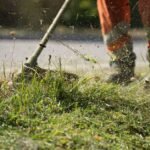
Duties of a Landscape Gardener: An In-Depth Overview
Landscape gardening involves much more than merely planting flowers and mowing lawns. It is a profession that combines art, design, science, and nature, all with the aim of creating beautiful, functional outdoor spaces. A landscape gardener plays a crucial role in enhancing the beauty of gardens, parks, and other outdoor areas. Understanding their duties can help you appreciate the level of expertise required in this field.
Designing Outdoor Spaces
One of the primary duties of a landscape gardener is to design outdoor spaces. This process often starts with assessing the area to understand the existing conditions, such as soil type, sunlight availability, and topography. By taking these factors into account, landscape gardeners can create designs that not only look good but also thrive. Here are some key design tasks:
- Creating landscape plans that incorporate flowers, shrubs, trees, and pathways.
- Selecting plants that are suitable for the local climate and soil conditions.
- Designing irrigation systems to ensure proper watering of plants.
Soil Preparation and Planting
Soil quality significantly influences plant growth. Landscape gardeners are responsible for preparing the soil before planting any vegetation. This involves:
- Testing soil for pH levels and nutrients, so amendments can be made based on needs.
- Clearing debris, weeds, and rocks to create a clean area for new plants.
- Mixing compost or other organic matter into the soil to enhance fertility.
Once the soil is ready, the actual planting begins. Landscape gardeners must be skilled in placing plants according to design plans for optimal aesthetic appeal and growth potential.
Maintenance and Care
After the plants are in the ground, the work is far from over. Regular maintenance is essential to keep the garden looking its best. Duties include:
Get quote here: https://landscapegardeneredinburgh.com
- Watering plants as needed, particularly during dry spells.
- Weeding to prevent competition for nutrients and water.
- Fertilizing plants to promote healthy growth.
- Pruning trees and shrubs to encourage healthy development and shape.
- Controlling pests and diseases, which may involve monitoring for issues and applying treatments as necessary.
Installing Hardscapes
Hardscaping refers to the non-plant elements in landscape design, such as pathways, patios, and walls. Landscape gardeners often build these features to enhance functionality and style. This process includes:
- Installing pathways using materials like stone, gravel, or concrete.
- Creating retaining walls to prevent soil erosion.
- Building patios and decks to provide additional outdoor living space.
- decorative features like fountains or sculptures.
Environmental Awareness
Landscape gardeners must stay informed about environmental issues and sustainable practices. This responsibility includes:
- Choosing native plants that require less water and maintenance.
- Implementing rainwater harvesting systems for irrigation.
- Promoting biodiversity by creating habitats for local flora and fauna.
Client Consultation and Communication
Another vital duty for landscape gardeners is client communication. They often meet with clients to discuss design ideas, budgets, and timelines. Clear communication ensures that the final design aligns with the client’s vision. Essential aspects of client interaction include:
- Understanding client preferences and ideas for the landscape.
- Providing recommendations based on professional experience.
- Discussing project timelines, costs, and any logistical considerations.
A landscape gardener’s duties are multifaceted and require a blend of creativity, technical skills, and environmental awareness. If you’re considering hiring a landscape gardener, you now have a better understanding of what to expect. For more information on landscaping and gardening, explore Landscape Architect and Gardenia for expert insights and resources.
Essential Skills Required for Effective Landscape Gardening
Landscape gardening is a rewarding profession that blends creativity with practical skills. To thrive in this role, certain essential skills are required. These skills not only enhance the aesthetic appeal of outdoor spaces but also ensure that gardens are functional and sustainable.
Get quote here: https://landscapegardeneredinburgh.com
Design Skills
One of the primary skills a landscape gardener must have is design capability. You will need to visualize how various elements come together in a space. Here are some key aspects of design skills:
- Understanding color theory: Choosing the right plant colors can dramatically change the mood of a garden.
- Spatial awareness: Knowing how to use different areas effectively is vital.
- Knowledge of plant types: Familiarity with native and non-native plants ensures the selection of the best species for the environment.
Practical Gardening Skills
Aside from design, practical gardening skills are crucial. These include:
- Planting Techniques: Knowing how to plant various species correctly ensures their growth and longevity.
- Maintenance Skills: Regular upkeep, such as weeding, pruning, and pest control, is essential.
- Soil Management: Understanding soil types and composting techniques can significantly improve plant health.
Technical Skills
Modern landscape gardening often incorporates technology. Being tech-savvy can set you apart in this field:
- Design Software: Familiarity with programs like SketchUp or AutoCAD can help in creating detailed landscape designs.
- Project Management Tools: Using tools such as Trello or Asana can help keep projects organized and on track.
Business Acumen
If you run your own landscaping business, you’ll need a good grasp of business fundamentals:
Get quote here: https://landscapegardeneredinburgh.com
- Marketing Skills: Knowing how to promote your services effectively can attract more clients.
- Budgeting: Understanding how to manage finances can help in assessing project viability.
- Customer Service: Building good relationships with clients keeps them coming back.
Environmental Awareness
As climate change and sustainability become increasingly important, having an environmental focus in landscaping is essential:
- Water Conservation Techniques: Implementing methods such as xeriscaping can help in reducing water usage.
- Sustainable Materials: Knowing which materials are eco-friendly can help in reducing environmental impact.
Communication Skills
Strong communication skills are vital for a landscape gardener. These help in collaboration and client relations:
- Listening to client needs and preferences allows for tailored designs.
- Effectively communicating with suppliers and team members ensures smooth project execution.
Being an effective landscape gardener requires a unique blend of skills. From design prowess to business knowledge, these abilities not only enhance personal practice but also significantly improve client satisfaction. If you’re looking to develop these skills further or find resources, visit Landscape Professionals for guidance, tips, and networking opportunities.
Moreover, for inspiration and examples of sustainable gardening practices, check out Green Home Guide. This website offers valuable insights into eco-friendly gardening and the benefits of landscaping.
Get quote here: https://landscapegardeneredinburgh.com
For those interested in the latest technology and trends in landscaping, refer to Landscape Industry Magazine. Here, you can stay updated on the cutting-edge developments impacting landscape gardening today.
The Role of Landscape Gardeners in Sustainable Practices
Landscape gardeners play a crucial role in promoting sustainable practices that positively impact the environment and enhance community aesthetics. In today’s world, where climate change and urbanization are pressing challenges, the duties of landscape gardeners extend beyond just making gardens look beautiful; they encompass a range of responsibilities aimed at creating greener, healthier spaces.
Designing Eco-Friendly Landscapes
One of the primary duties of a landscape gardener is to design and implement eco-friendly landscapes. This involves selecting native plants that are better adapted to the local climate, which reduces the need for watering and pesticides. By choosing species that thrive in the area, landscape gardeners can create natural habitats that support local biodiversity.
Soil Management
Soil health is essential for sustainable gardening. Landscape gardeners assess soil conditions and recommend practices such as composting or organic fertilizers to improve soil structure and nutrient content. Here are some strategies they might employ:
- Testing soil pH and nutrient levels to determine requirements.
- cover crops to prevent erosion.
- Practicing crop rotation to maintain soil fertility.
Water Conservation Techniques
Proper water management is a key responsibility that landscape gardeners shoulder. They often incorporate various water conservation methods to minimize water usage:
Get quote here: https://landscapegardeneredinburgh.com
- Installing rain gardens that absorb excess rainwater.
- Utilizing drip irrigation systems to deliver water directly to plant roots.
- Exploiting xeriscaping, which is the practice of designing landscapes to reduce water consumption.
Waste Reduction and Recycling
Another significant duty of landscape gardeners involves promoting waste reduction and recycling within their practices. This can take many forms, including:
- Using mulch from local sources to suppress weeds and retain moisture.
- Composting yard waste to create nutrient-rich soil amendments.
- Implementing a waste separation system on-site, ensuring recyclable materials are processed correctly.
Climate-Resilient Strategies
As climate change continues to affect our ecosystems, landscape gardeners are responsible for implementing climate-resilient strategies. These can include:
- Selecting drought-resistant plant varieties.
- Designing landscapes that can withstand harsh weather events.
- Creating green roofs that provide insulation and reduce urban heat.
Community Education and Engagement
Educating the community about sustainable gardening practices is a vital part of a landscape gardener’s duties. They often conduct workshops and seminars, teaching residents how to maintain their gardens sustainably. This outreach helps inspire others to adopt eco-friendly practices in their personal spaces. Some effective community programs include:
- Garden tours to showcase sustainable features.
- Hands-on training for local schools on gardening techniques.
- Collaborating with local government on sustainability initiatives.
Permitting and Regulations
Landscape gardeners must also be aware of local laws and regulations that govern land use. They work with local governments to secure any necessary permits for landscaping projects, ensuring compliance with zoning laws and environmental guidelines. This thorough understanding helps protect not just their clients but also the surrounding community.
Get quote here: https://landscapegardeneredinburgh.com
Sustainable practices in landscape gardening contributes significantly to reducing one’s carbon footprint. To learn more about environmentally friendly gardening techniques, you can visit EPA Sustainable Landscapes or check the resources provided by Arbor Day Foundation.
Ultimately, the duties of a landscape gardener extend well into the realm of sustainability, ensuring that our green spaces thrive while also benefiting the environment. By engaging in these practices, landscape gardeners not only beautify the planet but also contribute to the health and well-being of their communities.
Tools and Equipment Every Landscape Gardener Should Know
Every landscape gardener knows that having the right tools and equipment is essential for success. The right gear not only makes tasks easier and more efficient but also enhances the quality of the work. Here’s a detailed look at the must-have tools and equipment every landscape gardener should be familiar with.
Hand Tools
Hand tools are the backbone of any landscape gardener’s toolkit. These tools are versatile, easy to handle, and can tackle a variety of tasks. Here are some essentials:
- Hand Trowel: Ideal for digging holes, transplanting, and potting plants.
- Pruning Shears: Perfect for trimming branches, flowers, and shrubs, keeping them healthy and shaped.
- Rake: Useful for gathering leaves, leveling soil, and spreading mulch.
- Spade: Essential for digging, edging, and turning soil, especially when creating new garden beds.
Power Tools
Power tools can significantly speed up your work and are often more effective than hand tools for larger tasks. Here are key power tools for landscape gardening:
Get quote here: https://landscapegardeneredinburgh.com
- Lawn Mower: Necessary for maintaining healthy lawns and managing grass height.
- Leaf Blower: Great for quickly cleaning up leaves and debris during fall seasons or after storms.
- Chainsaw: Important for cutting larger branches and trees with precision, ensuring safety and efficiency.
- String Trimmer: Excellent for edging and trimming grass along fences, walls, and garden beds where mowers can’t reach.
Soil and Fertilizers
For any landscape gardener, understanding soil health is crucial. The right tools can help assess and improve soil quality. Here are tools related to soil management:
- Soil Tester: Measures pH levels and nutrient content to ensure optimal growing conditions for plants.
- Compost Bin: A must-have for creating nutrient-rich soil from kitchen trimmings and garden waste.
- Spreaders: Effective for evenly distributing fertilizers, seeds, and soil amendments across garden areas.
Safety Equipment
Safety should never be overlooked in landscaping. Here are safety equipment items every gardener should have:
- Gloves: Protect your hands from blisters, cuts, and chemicals while working.
- Safety Goggles: Essential for protecting your eyes from debris when using power tools.
- Sturdy Boots: A good pair of boots will protect your feet and provide comfort while working long hours.
- Ear Protection: Helpful when using loud power tools such as lawn mowers and chainsaws.
Essential Equipment for Garden Design
For landscape gardeners focused on design, some specialized equipment can assist greatly:
- Garden Planter: Useful for creating uniform planting layouts and designs efficiently.
- Measuring Tape: Ideal for ensuring accuracy in spacing and dimensions during landscaping projects.
- Design Software: Programs like SketchUp can help create 3D models of garden designs and layouts.
Proper Maintenance of Tools
Understanding how to maintain your tools prolongs their life and efficiency. Here’s a quick maintenance checklist:
Get quote here: https://landscapegardeneredinburgh.com
- Clean tools after each use to prevent rust and dirt buildup.
- Sharpen blades regularly to make cutting tasks easier.
- Store tools in a dry area to prevent moisture damage.
Investing in the right tools and equipment is vital for any landscape gardener. From hand tools and power tools to protective gear and maintenance practices, having the right gear ensures a successful and productive gardening experience.
For more information about landscaping tools, you can visit MyGarden or American Garden.
Remember, the right tools not only improve efficiency but also enhance the quality of your landscape work, making your gardens beautiful and vibrant.
Creative Design Strategies in Landscape Gardening
Landscape gardening is both an art and a science, where creativity meets functionality. To create stunning outdoor spaces, landscape gardeners use various design strategies that captivate and meet the needs of the environment and the homeowner. Whether you are a professional landscape gardener or looking to enhance your own garden, understanding these creative design strategies can elevate your landscaping projects.
Understanding the Site and Environment
Before diving into design, it is essential to assess the site and its unique conditions. Factors such as soil quality, sunlight exposure, drainage, and climate play a crucial role in determining which plants and materials will thrive. A successful landscape gardener evaluates these elements and then applies them to design strategies that align with the natural environment. Here are some vital assessments that need to be taken into account:
Get quote here: https://landscapegardeneredinburgh.com
- **Soil Testing**: Understand pH levels and fertility.
- **Sunlight Exposure**: Identify how much sunlight each area receives throughout the day.
- **Drainage and Water Flow**: Observe how water drains or collects in various spots.
- **Existing Flora and Fauna**: Take into account native plants and wildlife.
Creating Focal Points
In landscape gardening, focal points draw the eye and create interest in a garden. Effective focal points can be achieved through various elements:
- **Strategic Plant Placement**: Use trees, large shrubs, or flowering plants to draw attention.
- **Garden Structures**: Incorporate features such as trellises, arbors, or sculptures.
- **Water Features**: ponds, waterfalls, or fountains can act as stunning centers of attraction.
These features help guide the viewer’s eye and enhance the overall aesthetic of the garden.
Layers and Zones
Effective landscape design uses layers in varied heights and densities. This layering creates depth and visual interest. To achieve this, gardeners can:
- **Use Taller Plants**: Position larger plants at the back and progressively smaller plants in front.
- **Create Vertical Gardens**: Utilize walls and fences to grow vertically, adding another layer of gardening.
- **Define Spaces with Pathways**: Use various materials like stone, grass, or mulch to create zones.
Color Theory
Color plays a vital role in landscape design. Different colors evoke different feelings and can change the perception of space. To utilize color effectively, consider these strategies:
Get quote here: https://landscapegardeneredinburgh.com
- **Complementary Colors**: Position colors opposite each other on the color wheel for striking contrasts.
- **Analogous Colors**: Use colors next to each other on the wheel for a harmonious blend.
- **Seasonal Interest**: Choose plants with different colors that bloom at various times to maintain year-round appeal.
Utilizing Texture and Materials
Different textures and materials contribute significantly to a garden’s character. Consider these elements to enhance tactile experiences:
- **Rough Textures**: Use stones and rough-hewn wood in pathways or borders.
- **Soft Textures**: Incorporate plants with soft leaves or flowers that invite touch.
- **Mixed Materials**: Combine gravel, pavers, and soil to create varied surface finishes.
Environmental Harmony
Sustainable landscape design is increasingly important. Creative strategies that work in harmony with the environment include:
- **Native Plants**: Utilize flora that is native to the region, which requires less water and maintenance.
- **Rain Gardens**: Design areas to absorb rainwater, reducing runoff and promoting biodiversity.
- **Permeable Surfaces**: Use materials that allow for water infiltration, minimizing pooling and promoting groundwater recharge.
Resources for Further Learning
If you’re keen on exploring more about landscape gardening and creative design strategies, consider visiting:
By combining these creative design strategies, landscape gardeners can craft unique and attractive outdoor spaces that not only please the eye but also function efficiently with the surrounding environment. Embracing such strategies will ultimately lead to more fulfilling gardening experiences, whether for personal satisfaction or professional output.
Seasonal Responsibilities of Landscape Gardeners
Landscape gardeners play a crucial role in enhancing the beauty and functionality of outdoor spaces. Their responsibilities vary dramatically with the changing seasons, ensuring that gardens and landscapes remain healthy, vibrant, and aesthetically pleasing throughout the year. Understanding the seasonal responsibilities of landscape gardeners can help in appreciating their work and the planning necessary to maintain beautiful landscapes.
Get quote here: https://landscapegardeneredinburgh.com
Spring Responsibilities
As winter melts away, spring becomes a busy season for landscape gardeners. This is the time of renewal, growth, and rejuvenation. Key activities during this season include:
- Soil Preparation: Gardeners begin by testing and amending soil to ensure optimal nutrient levels. A healthy soil foundation is essential for plant growth.
- Planting: Spring is the perfect time for planting perennials, trees, and shrubs. Landscape gardeners select appropriate plants based on climate and soil conditions.
- Mulching: Applying mulch helps retain moisture in the soil and suppresses weeds. This is a critical step in the spring gardening routine.
- Pruning: Dead or damaged branches are removed to encourage new growth and maintain plant health.
Summer Responsibilities
Summer brings warmth and longer days, which means landscape gardeners have to ensure that gardens thrive in these hot conditions. Key summer responsibilities include:
- Watering: Regular watering schedules are established. Gardeners monitor plants closely to prevent drought stress.
- Pest Management: Summer often sees an increase in pests. Landscape gardeners must identify and manage these threats using eco-friendly methods when possible.
- Weeding: Weeds can quickly overtake gardens. Regular weeding prevents competition for nutrients and water.
- Deadheading: Removing spent flowers promotes continuous blooming and enhances overall garden health.
Autumn Responsibilities
As the leaves change colors and temperatures drop, landscape gardeners shift their focus to preparing for winter. Their autumn tasks include:
- Fall Cleanup: Removing fallen leaves, debris, and dead plants helps prevent disease and prepares the garden for the dormant season.
- Planting Bulbs: Autumn is the ideal time to plant bulbs for spring blooms. Gardeners choose varieties that will thrive in the area.
- Winterizing Plants: Applying protective coverings and mulch helps insulate plants from cold temperatures.
- Soil Enrichment: Adding compost or organic matter supports soil health and prepares it for the upcoming growth cycle.
Winter Responsibilities
Winter may seem like a quiet season, but for landscape gardeners, it involves several critical tasks to ensure gardens remain ready for spring. Responsibilities include:
Get quote here: https://landscapegardeneredinburgh.com
- Maintenance Checks: Inspecting tools, equipment, and irrigation systems for any needed repairs or upgrades.
- Planning: Gardeners take this time to plan for the upcoming seasons, researching new plants and designing improvements.
- Protecting Young Plants: Wrapping young trees and shrubs to protect them from frost and animal damage.
- Snow Removal: In snowy regions, managing the snow to prevent damage to trees and shrubs is crucial.
Each season demands different expertise from landscape gardeners, highlighting the importance of their role in maintaining beautiful and functional outdoor spaces. Whether it’s selecting the right plants or managing soil health, their knowledge directly influences the success of a garden.
For more insights into landscape gardening, check out resources from American Society of Landscape Architects and Lawn & Garden.
How Landscape Gardening Enhances Property Value
Enhancing property value is a primary goal for many homeowners and real estate investors. One of the most effective ways to achieve this is through landscape gardening. A thoughtfully designed garden can transform a property into a visually stunning oasis, attracting potential buyers and increasing overall value.
The Aesthetic Appeal
The first impression matters significantly when selling a home. A well-groomed landscape can elevate the visual appeal of your property. This includes elements such as:
- Colorful flower beds
- Well-maintained lawns
- Strategically placed shrubs and trees
- Pathways and outdoor furniture
These features create an inviting atmosphere, making the home appear more attractive. Studies show that homes with professional landscaping can increase property value by up to 20% source.
Get quote here: https://landscapegardeneredinburgh.com
Functional Outdoor Spaces
Landscape gardening is not only about looks but also about functionality. Outdoor spaces can serve multiple purposes:
- Entertainment areas, such as patios or decks
- Growing areas for gardens and herbs
- Children’s play areas
- Relaxation zones with seating and shade
By creating these functional spaces, homeowners can increase their living area’s usability. More usable space equates to higher property value, as buyers often seek homes that offer more than just indoor living.
Environmental Benefits
Investing in landscape gardening also brings significant environmental advantages. Well-planned landscapes can improve air quality and promote biodiversity. Features such as rain gardens can manage stormwater runoff, reducing flooding risk. Additionally, planting trees and shrubs contributes to carbon sequestration, which helps combat climate change.
Homebuyers in today’s market are increasingly eco-conscious. They appreciate properties that feature sustainable landscaping, making eco-friendly gardens an attractive selling point.
Get quote here: https://landscapegardeneredinburgh.com
Enhanced Privacy and Security
Landscape gardening can also enhance privacy. Using tall hedges, fences, and specific plant arrangements can create a secluded environment, making the property feel more secure. Buyers appreciate homes that offer privacy from neighbors and street view, often leading to higher offers.
Increased Curb Appeal
In real estate, curb appeal can significantly affect a property’s marketability. Landscape gardening contributes to curb appeal by ensuring that the exterior of the home is attractive and well-maintained. Some effective tips include:
- Regular lawn care: mowing, edging, and fertilizing.
- Planting seasonal flowers for vibrant colors year-round.
- Using mulch for flower beds to enhance appearance.
- Adding landscape lighting to illuminate walkways and features at night.
All these aspects not only beautify your home but also encourage potential buyers to take a closer look.
Market Demand and Trends
The current real estate trends reveal a strong demand for properties with enhanced landscaping. Homebuyers increasingly want outdoor spaces for leisure and lifestyle activities. According to various studies, properties with well-designed gardens can attract buyers more swiftly, often reducing the time the house spends on the market.
Get quote here: https://landscapegardeneredinburgh.com
As landscapes have the potential to either attract or deter potential buyers, investing in professional landscaping can ultimately lead to a better market outcome. Ensuring your property is competitive in the market often boils down to how well the landscape is developed.
| Landscaping Features | Impact on Property Value |
|---|---|
| Gardens and Green Spaces | Up to 20% increase |
| Entertainment Areas | Added functional space |
| Eco-Friendly Elements | Increased buyer appeal |
| Privacy Measures | Higher offers from buyers |
Investing in landscape gardening not only enhances the visual appearance of your property but also contributes to its overall value. By focusing on aesthetics, functionality, environmental benefits, and privacy, you can make a significant impact on how your property is perceived in the market. For more on enhancing your property’s value through landscape gardening, consider resources like Houzz or Landscape Management.
Key Takeaway:
Key Takeaway: Understanding the Comprehensive Role of Landscape Gardeners
The role of landscape gardeners goes far beyond mere planting and maintenance of greenery; it encompasses a wide range of responsibilities that are essential for creating and sustaining beautiful, functional outdoor spaces. These professionals have a deep understanding of horticulture, design principles, and environmental sustainability, which are vital for executing their duties effectively.
One of the primary duties of a landscape gardener is to assess and plan your outdoor space. They analyze soil types, climate conditions, and plant varieties to create a garden that not only looks appealing but thrives in its specific environment. Essential skills in this profession include knowledge of plant care, pest management, and an eye for design, which enables them to transform everyday yards into tranquil retreats or vibrant spaces for entertainment.
Get quote here: https://landscapegardeneredinburgh.com
Landscape gardeners play a crucial role in promoting sustainable practices. By choosing native plants, utilizing organic methods, and implementing water conservation techniques, they can significantly reduce the environmental impact of landscaping projects. This focus on sustainability helps create ecosystems that support local wildlife while also ensuring the longevity of the garden.
Moreover, a well-equipped landscape gardener knows how to use various tools and equipment essential for different tasks, from layout planning to ongoing maintenance. Mastering the use of these tools allows them to execute their creative design strategies seamlessly, ensuring that every element complements the overall aesthetic of the space.
Seasonal responsibilities are also a significant aspect of a landscape gardener’s job. Understanding when to plant, prune, and prepare for the changing weather patterns is crucial for maintaining the health and beauty of the landscape throughout the year.
The expertise of a landscape gardener can greatly enhance property value. Well-designed and maintained gardens not only boost curb appeal but also create inviting spaces that attract potential buyers. An investment in professional landscaping can yield significant returns, making the role of landscape gardeners vital for homeowners looking to maximize their property’s worth.
Get quote here: https://landscapegardeneredinburgh.com
Landscape gardeners are pivotal in shaping our outdoor environments through a blend of artistry, science, and sustainability. By understanding their diverse responsibilities and the skills they employ, you can appreciate the true value they bring to any property.
Conclusion
A landscape gardener plays a crucial role in transforming outdoor spaces into beautiful and functional areas. With a deep understanding of their duties, they manage everything from planning and designing gardens to implementing sustainable practices that benefit both the environment and their clients. Essential skills, such as creativity, attention to detail, and knowledge of horticulture, are key for effective landscape gardening, enabling professionals to select the right plants and design elements that flourish together.
Equipping themselves with the right tools and techniques is vital for landscape gardeners. From basic hand tools to advanced machinery, knowing how to use these effectively ensures that tasks are completed efficiently. Seasonal responsibilities also add variety to their work, requiring them to adapt to changing weather conditions and plant care routines.
By employing creative design strategies, landscape gardeners can elevate the aesthetics of any property, significantly enhancing its value. Thoughtful layout, choice of plants, and incorporation of hardscaping elements can create inviting outdoor spaces that attract potential buyers or improve the enjoyment of existing homeowners.
Ultimately, landscape gardeners do more than maintain gardens; they craft experiences that connect people with nature, promote sustainability, and improve property values. Their multifaceted role involves a blend of artistry and practicality, making them indispensable in today’s landscaping industry. Whether you seek to beautify your own yard or pursue a career in landscape gardening, understanding these essential elements is the first step toward success in this rewarding field.
Get quote here: https://landscapegardeneredinburgh.com