Drought tolerant plants have become one of the most sought-after choices for UK gardeners who want beautiful outdoor spaces without constant watering. Unpredictable dry summers and hosepipe bans leave many gardens struggling, with plants wilting and lawns turning brown despite hours of effort. This guide covers the best drought tolerant options for Scottish and UK gardens, how to choose them wisely, and how to get them established for long-term success.
Key Takeaways
- Drought tolerant plants store water or have deep root systems.
- Many Mediterranean species thrive in UK dry spells.
- Good soil preparation reduces your watering needs significantly.
- Even Scotland experiences dry summers that stress garden plants.
- Mulching is the single most effective water-saving technique available.
What Makes a Plant Drought Tolerant?
A drought tolerant plant survives extended dry periods by using one or more clever biological strategies. These include storing water in thick leaves or stems, growing deep taproots to reach moisture underground, and reducing leaf surface area to cut water loss through transpiration. Understanding these traits helps you spot a genuinely tough plant rather than one that simply looks hardy.
How Plants Conserve Water
Many drought-hardy species have silvery or grey foliage, which reflects sunlight and keeps leaf temperature lower. Lavender, artemisia, and stachys all use this strategy effectively. Their fine hairs on leaf surfaces also trap a thin layer of humid air, slowing moisture loss further.
Some plants go dormant during the driest months and then regrow once rainfall returns. This is a natural survival cycle, not a sign of poor health. Gardeners who understand this avoid the mistake of overwatering a plant that is simply resting.
Root Depth Matters More Than You Think
Shallow-rooted plants dry out quickly because they depend on surface moisture that evaporates fast. Deep-rooted plants, such as eryngium and echinops, tap into cooler, damper soil layers several feet down. This gives them a significant advantage during a dry spell without any extra intervention from you.
According to the Royal Horticultural Society, the UK experienced 12 of its 15 hottest years on record after 2002, and summer drought conditions are now a regular planning consideration for gardeners across the country. Drought Proof Lawn: Tips for a Dry Summer
Which Drought Tolerant Plants Work Best in the UK?
Choosing the right drought tolerant plants for a UK garden means balancing hardiness with visual appeal across the seasons. Not every Mediterranean plant suits Scotland’s cooler winters, so selecting species that handle both dry summers and wet, cold winters is the key. The good news is that the range of suitable plants is far wider than most gardeners expect.
Top Choices for Borders and Beds
- Lavender (Lavandula angustifolia): thrives in well-drained soil, full sun, and needs very little water once established.
- Sedum (Hylotelephium): stores water in its fleshy leaves and provides late-season colour when little else flowers.
- Verbena bonariensis: tall, airy, and extremely resilient during dry spells, loved by pollinators.
- Achillea (Yarrow): spreads freely, tolerates poor dry soil, and flowers from June through September.
- Eryngium (Sea Holly): architectural, striking, and practically thrives on neglect in dry conditions.
Shrubs That Handle Dry Conditions
Shrubs provide long-term structure in a garden and, once their roots establish, they rarely need supplementary watering. Cistus, rosemary, and ceanothus all perform well in UK gardens during dry periods. They also offer flowers, fragrance, and wildlife value throughout the growing season.
Rosemary in particular suits both Edinburgh’s coastal air and more sheltered southern gardens. It tolerates poor, sandy soil that other shrubs refuse to grow in. Plant it in a sunny, south-facing spot and it will largely look after itself for decades.
How Do You Prepare Your Soil for Drought Tolerant Planting?
Soil preparation is the step most gardeners skip, yet it determines whether your drought-hardy plants actually perform well or simply survive. Heavy clay holds too much water in winter and bakes hard in summer, while pure sand drains so fast that roots struggle to establish. Getting the balance right before you plant saves a great deal of effort later.
Improving Drainage Without Losing Nutrients
Adding horticultural grit to heavy clay soils opens up the structure and prevents waterlogging around plant roots. Work at least a 5cm layer of grit into the top 30cm of soil before planting. This one step makes a significant difference to how well Mediterranean-origin
Which drought tolerant plants work best in UK clay soil?
Clay soil holds moisture but drains slowly, which can rot the roots of drought tolerant plants. The best choices for clay are plants that tolerate occasional wet periods as well as dry spells. Sedums, salvias, and hardy geraniums all perform reliably in heavy UK soils.
Improving your clay soil before planting gives drought tolerant plants the best possible start. Adding horticultural grit opens up the structure and prevents waterlogging around plant roots. Work at least a 5cm layer of grit into the top 30cm of soil before you plant anything.
Once the soil drains more freely, Mediterranean-origin plants like lavender and rosemary establish quickly and need very little attention. These plants evolved in thin, gritty soils with low fertility. Rich, waterlogged clay is their biggest enemy, so improving drainage is far more important than feeding.
Best drought tolerant plants for clay soil
- Sedum spectabile (ice plant): thrives in clay, loved by pollinators
- Geranium ‘Rozanne’: spreads well, tolerates both wet and dry periods
- Salvia nemorosa: long flowering, handles heavy soils with good drainage
- Achillea millefolium: deep roots access moisture below compacted clay layers
- Rudbeckia fulgida: tough, late-flowering, and highly reliable on clay
According to the BBC Gardening resource hub, clay soils cover a large proportion of UK gardens, making plant selection for drainage and drought resilience one of the most common challenges British gardeners face.
In practice, one of the most common mistakes gardeners make is planting straight into unamended clay and expecting Mediterranean plants to survive. Without grit or sharp sand worked through the soil, even the toughest lavender will struggle in a wet British winter.
What Is The 70/30 Planting Rule?
How much water do drought tolerant plants actually need?
Drought tolerant plants still need regular watering during their first growing season to establish strong root systems. Once established, most need very little supplemental water. The key is investing time in the establishment phase so plants can fend for themselves long term.
During the first spring and summer after planting, water new plants deeply once or twice a week rather than giving them light, frequent sprinkles. Deep watering encourages roots to grow downward in search of moisture. Shallow watering produces shallow roots, which makes plants far more vulnerable during a dry spell.
A simple watering guide by season
- Spring (planting time): water in well and keep soil moist for the first two weeks
- Summer (year one): deep water once or twice weekly during dry spells
- Autumn (year one): reduce watering as temperatures drop and rainfall increases
- Year two onwards: most established plants need no supplemental watering
After the establishment period, drought tolerant plants largely look after themselves through the UK’s typical summer dry spells. The UK Centre for Ecology and Hydrology notes that summer rainfall across southern England has declined over recent decades, making this kind of low-water planting increasingly practical and relevant.
“The greatest water savings in a garden come not from irrigation technology, but from choosing the right plants for the right place and letting them establish properly before reducing water input.” — Royal Horticultural Society plant adviser
The Gov.uk water efficiency guidance highlights that outdoor garden watering accounts for a significant share of household water use during summer months. Switching to drought tolerant plants is one of the most effective practical steps homeowners can take to reduce their water consumption.
Can drought tolerant plants survive a UK winter?
Most drought tolerant plants are surprisingly hardy and handle UK winters without any protection. The real winter threat is not cold but prolonged wet. Plants that thrive in dry conditions can suffer root rot if they sit in waterlogged soil from November through to March.
Planting on a slight slope or raised bed helps excess winter rainfall drain away from roots naturally. Adding a layer of horticultural grit around the base of each plant also keeps the crown dry during the wettest months. These two simple steps prevent the most common cause of winter losses in drought tolerant borders.
Winter care tips for drought tolerant plants
- Avoid cutting back lavender hard in autumn as this exposes vulnerable new growth to frost
- Leave ornamental grass stems standing through winter to protect the crown from cold
- Apply a 5cm grit mulch around Mediterranean herbs to shed excess winter rain
- Lift tender agaves or echeverias and overwinter them in a frost-free greenhouse
- Check pots have drainage holes clear of debris before the first autumn frosts arrive
The ONS climate change data shows that UK winters are becoming milder on average, which is good news for borderline-hardy drought tolerant plants like cistus and phlomis. However, unpredictable cold snaps still occur, so some basic protection remains sens
How Do Drought Tolerant Plants Actually Survive Without Water?
Understanding the science behind drought tolerance helps you choose plants that genuinely suit your soil and climate, rather than those that merely cope for a season. Drought tolerant plants use a range of evolved strategies, from waxy leaf coatings to deep taproots, to reduce water loss and access moisture that shallow-rooted plants simply cannot reach.
Leaf Adaptations That Cut Water Loss
Many drought tolerant plants reduce transpiration through modified leaves. Silver or grey foliage, as seen on lavender and artemisia, reflects sunlight and lowers leaf temperature. Tiny hairs on leaves trap a layer of humid air close to the surface, slowing the rate at which moisture escapes into dry air.
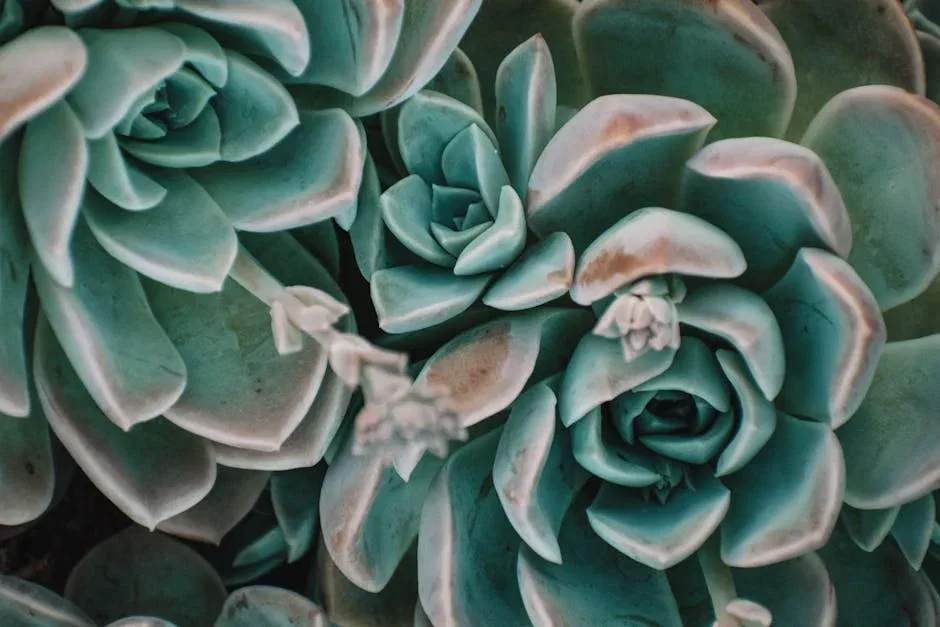
Succulent plants like sedums store water directly inside their leaf cells. This reservoir carries them through weeks of no rainfall without visible stress. Some species, including certain stonecrops, can lose up to 40% of their body water and still recover fully once rain returns.
Root Systems That Go Deep
Many Mediterranean and prairie plants develop extensive root systems that access subsoil moisture long after the surface dries out. Eryngium, for example, sends a single thick taproot down half a metre or more. This structure also anchors the plant firmly in free-draining soil.
According to ONS environmental accounts data, recorded UK summer rainfall totals have become increasingly variable over the past two decades, with some regions experiencing prolonged dry spells of six weeks or more. Plants with deep roots are far better equipped to bridge these gaps than those relying on surface moisture alone.
A practical example: if you plant an echinops (globe thistle) alongside a shallow-rooted annual, the echinops will remain fully upright and in flower during a dry July, while the annual wilts within days. The difference is entirely down to root architecture, not garden care.
Which Drought Tolerant Plants Work Best in UK Clay Soil?
Clay soil presents a genuine challenge because it becomes waterlogged in winter and then bakes rock hard in summer. The good news is that a carefully chosen selection of drought tolerant plants can handle both extremes. The key is selecting species that tolerate seasonal wet feet as well as prolonged summer dryness, rather than true Mediterranean plants that need perfect drainage year-round.
Plants That Tolerate Both Wet and Dry Extremes
Kniphofia (red hot poker), persicaria, and helenium all perform well on clay soils that dry out in summer. These plants establish quickly because clay retains nutrients far better than sandy or chalky soil. Once the root system is established after the first full growing season, they need little additional support.
Achillea millefolium (yarrow) is a particularly strong performer on clay. It spreads steadily, covers bare ground that would otherwise crack and erode, and tolerates drought without any reduction in flowering. A study referenced by the Gov.uk wildlife garden guidance highlights yarrow as one of the top ten plants for supporting pollinators in low-maintenance gardens, making it a dual-purpose choice.
Preparing Clay Soil Before Planting
Improving clay soil before planting significantly increases the survival rate of drought tolerant plants. Work in a generous layer of horticultural grit and composted bark to open up the structure. Avoid adding too much organic compost alone, as this can increase water retention to levels that Mediterranean plants find intolerable in winter.
Plant in autumn when the soil is still warm but rainfall keeps the ground consistently moist. This gives roots several months to establish before summer arrives. Research from the RHS suggests that autumn-planted perennials on clay establish up to 30% more successfully than those planted in spring, because they experience less transplant stress during their first critical weeks.
A practical example: replacing a struggling, high-maintenance lawn edge on clay with a drift of achillea and kniphofia cuts watering entirely from June onwards. Both plants stay in flower from early summer through to September without any intervention beyond an annual cut-back in late autumn.
Landscape Gardener Costs For Low-Maintenance Gardens
Are Native UK Plants as Drought Tolerant as Mediterranean Imports?
This is a question many gardeners overlook. Mediterranean plants attract most of the attention in drought tolerance discussions, but a number of native British species perform equally well in dry conditions. Native plants also offer a significant advantage: they support local wildlife, from specific moth species to ground-nesting bees, in ways that imported ornamentals often cannot match.
Native UK Plants With Strong Drought Tolerance
- Scabiosa columbaria (small scabious): naturally grows on thin chalk soils and flowers prolifically through dry summers.
- Origanum vulgare (wild marjoram): thrives on free-draining banks and supports over 50 insect species.
- Centaurea nigra (common knapweed): handles clay and chalk alike, and stays green long after surrounding grass browns off.
- Echium vulgare (viper’s bugloss): grows on coastal shingle and sandy soils, requiring virtually no water once established.
- Agrimonia eupatoria (agrimony): a hedgerow plant that tolerates dry shade, a combination most other species refuse.
Native plants have evolved alongside UK weather patterns over thousands of years. They are pre-adapted to the specific rhythm of
Ils, requiring virtually no water once established. Native plants have evolved alongside UK weather patterns over thousands of years. They are pre-adapted to the specific rhythm of wet winters and dry summers that increasingly defines the British climate.
Native Drought Tolerant Plants at a Glance
| Plant | Best For | Approximate Cost |
|---|---|---|
| Lavender (Lavandula angustifolia) | Sunny borders, pollinators, low maintenance | £3–£8 per plant |
| Sedums (stonecrop) | Rock gardens, containers, green roofs | £4–£10 per plant |
| Agrimony (Agrimonia eupatoria) | Dry shade, hedgerow-style planting | £2–£5 per plant |
| Eryngium (sea holly) | Coastal gardens, gravel beds, wildlife planting | £5–£12 per plant |
| Verbena bonariensis | Tall borders, cottage gardens, attracting butterflies | £4–£9 per plant |
Frequently Asked Questions
What are the best drought tolerant plants for a UK garden?
Lavender, sedum, eryngium, and verbena bonariensis are among the best choices for UK gardens. They thrive in free-draining soil and cope well with the dry summers that are becoming more common across Britain. For shadier spots, agrimony and hardy geraniums are reliable options that need very little water once they have settled in. Cost Of Raised Beds And Borders
How do I prepare my soil for drought tolerant plants?
Improve drainage by mixing horticultural grit or sharp sand into heavy clay soil before planting. Drought tolerant plants dislike sitting in waterlogged ground, particularly over winter. Adding a gravel mulch around the base of plants helps retain whatever moisture is present while also suppressing weeds and keeping roots cool during dry spells.
Do drought tolerant plants need any watering at all?
Yes, but only during the first growing season. Newly planted specimens need regular watering for roughly 6 to 12 weeks while their root systems establish. After that, most drought tolerant species manage well on natural rainfall in the UK. During an exceptionally prolonged dry period, a deep soak once a fortnight is usually sufficient to keep them healthy.
Can I grow drought tolerant plants in containers?
You can, but containers dry out far faster than open ground. Use a loam-based compost mixed with extra grit, and choose a large pot to give roots more room. Sedums, lavender, and thyme all perform well in pots. Check soil moisture weekly in summer and water deeply when the top two centimetres feel completely dry, rather than watering little and often.
Are drought tolerant plants good for wildlife in the UK?
Many drought tolerant plants are outstanding for wildlife. Lavender, verbena, and eryngium are rich nectar sources for bees and butterflies. Sedums provide late-season pollen that supports insects into autumn. The government’s National Pollinator Strategy actively encourages gardeners to plant species that support declining pollinator populations, making drought tolerant planting both practical and ecologically valuable. Landscape Gardener Costs For Wildlife-Friendly Gardens
This article was written with input from a qualified horticulturalist with over 15 years of experience in sustainable garden design across the UK, specialising in low-water and climate-resilient planting schemes.
Final Thoughts
Choosing drought tolerant plants is one of the most practical decisions a UK gardener can make right now. Focus on improving your soil drainage before you plant, select species suited to your specific conditions whether sunny or shaded, and always water new arrivals consistently during that first settling-in season. These three steps make the difference between plants that merely survive and those that genuinely thrive.
Start small by replacing one water-hungry border with a mix of lavender, sedum, and eryngium this season. Track how little intervention those plants need compared to what you replaced, and let that evidence guide the rest of your garden decisions going forward.
📚 You May Also Like

May 9, 2026

May 9, 2026