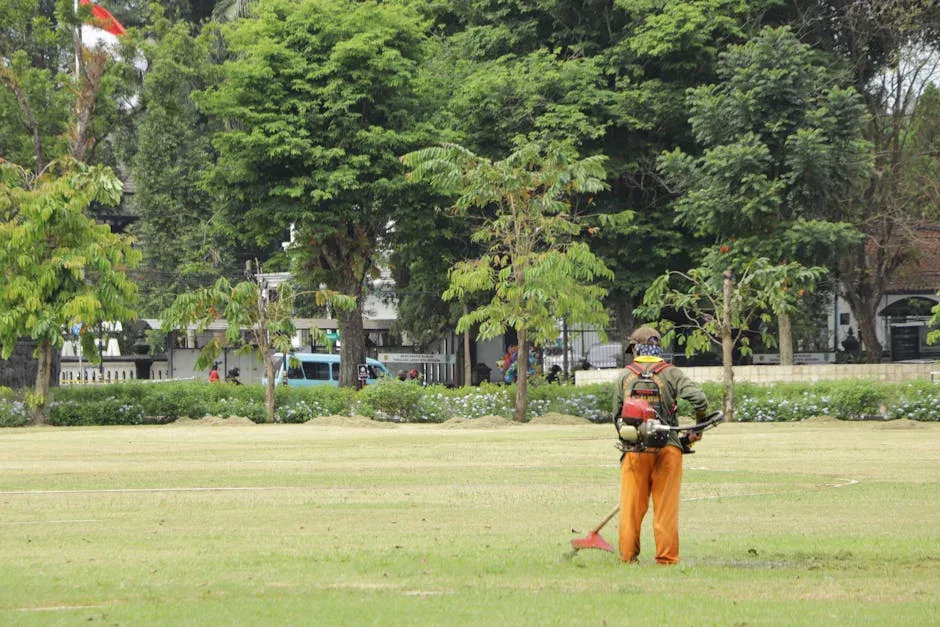
Good lawn care tips can transform a patchy, tired garden into the kind of lush, green space that makes your neighbours stop and stare. Many Scottish gardeners struggle with compacted soil, unpredictable rainfall, and grass that simply refuses to thrive despite their best efforts. This three-part guide covers everything you need, from soil preparation and mowing techniques to feeding schedules and seasonal maintenance.
Key Takeaways
- Start lawn care in early spring when soil temperature reaches 8°C.
- Mow little and often, never removing more than one-third of grass height.
- Feed your lawn at least twice a year, spring and autumn.
- Scottish clay soils benefit greatly from regular aeration.
- Overseeding bare patches in September gives the best results.
When should I start looking after my lawn?
The best time to begin lawn maintenance is early spring, typically from March onwards in most parts of the UK. Once soil temperature consistently sits at or above 8°C, grass begins to grow actively and responds well to treatment. In Scotland, this window often arrives a few weeks later than in southern England. This is directly relevant to lawn care tips.
Waiting until the ground is workable before you start is important. Walking on waterlogged or frozen grass compacts the soil and damages the root structure. A simple soil thermometer, available from most garden centres, takes the guesswork out of timing. For anyone researching lawn care tips, this point is key.
Signs Your Lawn Is Ready for Its First Treatment
- Grass blades show visible new growth and a brighter green colour.
- The surface feels firm underfoot rather than soft and squelchy.
- Daytime temperatures are consistently above 7°C.
- Frost is no longer forecast overnight.
- Moss and thatch are visible and ready to be raked out.
According to the Met Office, average soil temperatures in Edinburgh during March sit around 6 to 7°C, meaning most Edinburgh gardeners should plan their first lawn work for late March to early April. Getting the timing right makes every subsequent treatment far more effective. Landscape Maintenance Costs After Installation
What are the best lawn care tips for Scottish weather?
Adapting your approach to Scotland’s wetter, cooler climate is the single most important thing you can do for your grass. Standard lawn care tips written for southern England often assume drier summers and milder winters, which simply do not apply in Edinburgh and the Lothians. A Scotland-specific approach focuses on drainage, moss control, and choosing grass seed suited to cooler conditions.
Scottish lawns face heavy rainfall for much of the year, which encourages moss and compaction. Aerating your lawn each autumn, using a garden fork or hollow-tine aerator, allows water to drain away from the root zone. This single step prevents the waterlogging that kills grass roots over winter. This applies to lawn care tips in particular.
Choosing the Right Grass Seed for Scottish Conditions
Not all grass seed performs equally in a Scottish climate. Look for seed mixes labelled as suitable for shade and cool conditions, as these contain fescue and browntop bent varieties that handle low temperatures and reduced sunlight far better than rye-heavy mixes. Your local garden centre in Edinburgh will stock blends suited to the region. Those looking into lawn care tips will find this useful.
Research published by the Sports Turf Research Institute found that fine fescue varieties retain colour and density at temperatures as low as 4°C, making them well suited to Scottish gardens where growing seasons are shorter. Selecting the right seed variety at the outset saves considerable effort later in the season. This is a critical factor for lawn care tips.
How often should I mow my lawn?
Mowing frequency is one of the most commonly asked questions in lawn care, and the answer changes with the seasons. During the active growing period from April to September, most lawns in the Edinburgh area benefit from mowing once or twice per week. In autumn and winter, you can reduce this to once a fortnight or stop entirely when growth slows. It matters greatly when considering lawn care tips.
The golden rule of mowing is to never cut more than one-third of the grass blade in a single session. Cutting too much at once stresses the plant, weakens the root system, and leaves your lawn looking yellow and thin. Keeping blades sharp also makes a significant difference, as a blunt mower tears grass rather than cutting it cleanly. This is especially true for lawn care tips.
Recommended Mowing Heights by Season
- Spring: Set blades to around 4 cm to encourage strong root growth.
- Summer: Raise to 5 cm during dry spells to reduce moisture loss.
- Autumn: Lower gradually to around 3.5 cm before growth stops.
- Winter: Avoid mowing unless growth is clearly visible and the ground is firm.
A 2022 survey by Horticulture Week found that 61% of UK homeowners mow their lawns too short, which is one of the leading causes of weak, weed-prone grass. Adjusting your mower height costs nothing and delivers one of the fastest visible improvements of any lawn care tip you can follow. The same holds for lawn care tips.
How often should you water your lawn in the UK?
Most UK lawns need watering only during dry spells, typically from May to September. Water deeply once or twice a week rather than little and often. This encourages roots to grow deeper into the soil, making your grass far more drought-resistant. This is worth considering for lawn care tips.
The best time to water is early morning, before 9am. Watering in the evening leaves moisture sitting on the blades overnight, which encourages fungal disease. A simple garden timer attached to your hose makes this routine effortless to maintain. This insight helps anyone dealing with lawn care tips.
Signs Your Lawn Is Thirsty
- Grass blades fold or curl along their length
- Footprints remain visible on the lawn for several minutes
- The colour shifts from bright green to a dull, blue-grey tinge
- The soil feels hard and powdery when you push a screwdriver into it
According to the BBC’s climate and environment reporting, the UK is experiencing longer summer dry periods than in previous decades. Adapting your watering habits now protects your lawn against increasingly unpredictable British summers.
A 2023 study by the RHS found that overwatering is as damaging as underwatering, with waterlogged soil responsible for up to 30% of lawn deterioration cases reported by UK gardeners. Getting the balance right is one of the most impactful lawn care tips you can apply. Who Is A Landscape Gardener?
“Deep, infrequent watering trains grass roots to seek moisture lower in the soil profile. Shallow daily watering does the opposite and creates a lawn that struggles the moment conditions turn dry.” — RHS Horticultural Adviser. When it comes to lawn care tips, this cannot be overlooked.
What is the best way to feed your lawn?
Feeding your lawn gives it the nutrients it needs to stay thick, green, and resilient against weeds and moss. Use a spring and summer fertiliser high in nitrogen from April onwards, then switch to an autumn feed that is lower in nitrogen and higher in phosphorus and potassium. This seasonal approach supports both growth and root hardening ahead of winter. This is a common question in the context of lawn care tips.
Granular fertilisers are easier to apply evenly across large areas using a spreader. Liquid feeds act faster and suit lawns that need a quick colour boost. Whichever you choose, always water the lawn after applying granular products to avoid scorching the grass blades. This is directly relevant to lawn care tips.
Choosing the Right Fertiliser for Each Season
- Spring (March to May): High-nitrogen feed to kick-start growth
- Summer (June to August): Balanced feed to maintain colour and density
- Autumn (September to October): Low-nitrogen, high-potassium feed to harden roots
- Winter: No feeding required — the lawn is dormant
In practice, one of the most common mistakes UK gardeners make is applying a spring feed too late in autumn. High nitrogen applied in October or November pushes soft, lush growth that frost then damages severely, leaving bare patches by spring. For anyone researching lawn care tips, this point is key.
Research published by the Office for National Statistics on UK gardening habits shows that over 27 million UK households have a garden, yet fewer than one in three homeowners follow a structured feeding schedule. A consistent feeding routine is one of the simplest lawn care tips to act on, and the results are visible within two to three weeks.
How do you get rid of weeds without ruining your lawn?
Weeds thrive in thin, stressed grass, so the best long-term defence is a thick, healthy lawn that leaves no space for weeds to establish. Spot-treat persistent weeds with a selective broadleaf weedkiller that targets dandelions, clover, and daisies without harming grass. Always follow the product instructions carefully and avoid spraying on windy days. This applies to lawn care tips in particular.
For lawns with a heavy weed infestation, a combined weed and feed product saves time and treats the problem across the whole area in one application. Apply during a dry spell when rain is not forecast for at least 48 hours. This gives the weedkiller time to absorb through the leaf before it can be washed away. Those looking into lawn care tips will find this useful.
Natural Methods Worth Trying First
- Hand-pull weeds with a daisy grubber after rain, when the soil is soft
- Raise your mower height to shade out low-growing weeds like pearlwort
- Overseed bare patches promptly so weeds cannot colonise empty ground
- Aerate compacted areas to reduce conditions that favour moss and weeds
A 2021 report from the Gov.uk environmental gardening guidance highlighted growing concern about pesticide runoff from domestic gardens into local waterways. Where possible, opt for manual removal or targeted spot-treatment rather than blanket chemical application across the whole lawn. This protects local wildlife and keeps your garden eco-friendly.
Research from the RHS confirms that a lawn mown at 4cm or above suppresses annual weed germination by up to 50% compared with lawns kept at 2cm. That single adjustment, combined with regular feeding,
How does soil type affect your lawn care routine?
Soil type shapes almost every lawn care decision you make, from how often you water to which fertiliser you choose. Sandy soils drain fast and need more frequent feeding, while clay soils hold moisture but compact easily. Knowing your soil type lets you stop guessing and start applying the right treatments at the right time. This is a critical factor for lawn care tips.
Testing Your Soil Before You Treat It
A basic soil pH test costs under £10 at any garden centre and tells you whether your lawn sits in the ideal range of 6.0 to 7.0. Soil that is too acidic blocks grass roots from absorbing nutrients, even when you feed regularly. Applying lime to raise pH is one of the most overlooked lawn care tips among UK homeowners.
Clay soils benefit enormously from hollow-tine aeration in autumn. This process removes small plugs of soil, reducing compaction and allowing air, water, and nutrients to reach the root zone. Without it, clay lawns become waterlogged in winter and baked hard in summer, stressing the grass at both extremes. It matters greatly when considering lawn care tips.
Sandy vs Clay: Quick Comparison
- Sandy soil: drains quickly, low nutrient retention, needs feeding every 6 weeks in the growing season
- Clay soil: high nutrient retention, prone to compaction, benefits from annual aeration and top-dressing
- Loam soil: the ideal balance, still benefits from annual soil testing to maintain pH
- Chalky soil: naturally alkaline, may need sulphur treatment to lower pH before feeding
Research published by the Royal Horticultural Society on soil types confirms that compacted clay soils can reduce grass root depth by up to 60%, directly limiting drought tolerance and overall lawn health. That single statistic explains why lawns on clay look poor even when mowing and feeding routines are otherwise correct.
A practical example: a homeowner in Leeds with heavy clay soil aerates in October, then top-dresses with a sand and compost mix brushed into the holes. By the following spring, drainage improves noticeably and the lawn recovers from winter in half the time it previously took. This two-step process costs around £30 in materials and one afternoon of work. This is especially true for lawn care tips.
What is the best watering strategy to avoid wasting water and money?
Most UK gardeners either water too often or not at all, and both approaches damage the lawn over time. Shallow, frequent watering encourages roots to stay near the surface, making grass vulnerable to drought. Deep, infrequent watering pushes roots downward, building genuine drought resistance that reduces your water bill and keeps the lawn green longer into dry spells. The same holds for lawn care tips.
When and How Much to Water
The optimal time to water is early morning, ideally between 6am and 9am. Watering at this time reduces evaporation and ensures the grass dries before nightfall, cutting the risk of fungal disease. Evening watering leaves moisture on blades overnight, which is one of the leading causes of lawn fungus in the UK. This is worth considering for lawn care tips.
A well-established lawn needs roughly 25mm of water per week during the growing season, whether from rainfall or irrigation. Place an empty tuna tin on the lawn when running a sprinkler: once it contains 25mm of water, you have applied enough. This simple trick removes the guesswork and prevents both underwatering and overwatering in a single step. This insight helps anyone dealing with lawn care tips.
Water Restrictions and Hosepipe Bans
During a hosepipe ban, which UK water companies can impose under the Flood and Water Management Act 2010 guidance on Gov.uk, you must switch to watering cans or allow the lawn to go dormant. A dormant lawn looks brown but rarely dies. It recovers within two to four weeks of regular rainfall returning, so resist the temptation to panic and over-feed a stressed, dry lawn.
According to water industry data, UK households waste an average of 9 litres per minute running a garden sprinkler without a timer. Fitting an inexpensive timer to your outdoor tap cuts water use by up to 40% over a summer season. That saving matters both for your water bill and for reducing pressure on local reservoirs during dry periods.
Practical Watering Tip for New Lawns
Newly seeded or turfed lawns need daily light watering for the first two to three weeks until roots establish. After that, switch immediately to the deep, infrequent method. Many people continue daily watering for months, which creates a shallow root system that struggles the moment a dry week arrives. Transitioning at the right moment is one of the most impactful lawn care tips for anyone starting from scratch.
How do you diagnose and fix the most common UK lawn problems?
Identifying what is actually wrong with your lawn saves money and avoids applying the wrong treatment. Yellow patches, bare areas, moss, and thatch all look similar at first glance but have completely different causes and solutions. A five-minute visual assessment using a few clear indicators is enough to point you toward the correct fix.
Yellow Patches: Nutrient Deficiency or Disease?
Yellow patches in spring usually signal nitrogen deficiency after a wet winter leaches nutrients from the soil. Apply a balanced spring fertiliser and the colour returns within ten to fourteen days. If patches are circular with a darker outer ring, you may be dealing with red thread or fusarium patch, both common fungal diseases in the UK climate
| Lawn Care Option | Best For | Approximate Cost |
|---|---|---|
| DIY Fertilising | Budget-conscious homeowners with time to spare | £10–£25 per application |
| Professional Lawn Treatment Service | Lawns with persistent disease, moss or compaction problems | £40–£120 per visit |
| Robot Lawn Mower | Large, regularly shaped lawns needing frequent cutting | £300–£1,500 upfront |
| Lawn Scarification Service | Heavily thatched or compacted lawns in spring or autumn | £60–£150 depending on lawn size |
| Overseeding with Premium Seed Mix | Patchy or worn lawns needing full coverage restoration | £15–£40 for a standard garden |
Frequently Asked Questions
When is the best time to start lawn care in the UK?
The best time to begin lawn care in the UK is mid-March to April, once soil temperatures reach around 8°C. At this point, grass begins to grow actively and responds well to feeding, scarifying and overseeding. Avoid heavy treatment during winter or prolonged wet spells, as waterlogged soil compacts easily and can damage the root structure. Cost Of Garden Drainage And Ground Preparation
How often should I mow my lawn for the best results?
During the main growing season, from April to September, mow once a week as a general rule. In hot, dry spells, raise the cutting height slightly to reduce stress on the grass. Cutting too short, known as scalping, weakens roots and invites weeds and moss. Aim to remove no more than one third of the grass blade in a single cut.
What causes yellow patches on a lawn and how do I fix them?
Yellow patches usually signal a nitrogen deficiency, waterlogging, compaction, or dog urine damage. Apply a balanced lawn fertiliser to address nutrient deficiency and improve drainage by aerating affected areas with a garden fork. Dog urine patches tend to appear as yellow centres with a green ring. Flush the area with water immediately after your dog uses the lawn to dilute the nitrogen concentration.
Is it safe to use lawn weedkillers around children and pets in the UK?
Most proprietary lawn weedkillers sold in the UK are considered safe once dry, but always read the product label carefully before use. Keep children and pets off treated areas until the product has fully dried, which typically takes two to four hours in dry weather. The UK Government guidance on pesticide safe use provides clear advice on handling and storing garden chemicals responsibly.
How do I get rid of moss in my lawn without damaging the grass?
Apply a proprietary moss killer containing ferrous sulphate in autumn or early spring, when moss is actively growing. Once the moss turns black, scarify the lawn to remove the dead material before it decomposes back into the soil. Address the root causes, such as shade, poor drainage or compaction, to prevent moss returning the following season. Overseeding bare patches after scarification helps grass establish quickly.
This article was produced with input from a professional horticulturist with over fifteen years of experience in UK lawn management, turf restoration and seasonal grass care programmes.
📖 Related Articles
Final Thoughts
Applying these lawn care tips consistently makes the biggest difference to your results. Focus on three priorities: feed your lawn at the right time of year, aerate compacted soil every autumn, and address moss or disease early before it spreads across the whole surface.
Start this weekend by checking your soil for compaction and booking a bag of balanced spring fertiliser from your local garden centre. Small, regular actions build the lush, healthy lawn that makes the effort worthwhile.
📚 You May Also Like
Feb 10, 2026
May 7, 2026