Finding the right shaded garden ideas can completely transform a dark or overlooked corner of your outdoor space into something genuinely beautiful. Many gardeners across the UK struggle with shady plots, north-facing beds, or areas overshadowed by fences and mature trees. This guide covers practical, proven ideas to help you create a lush, thriving garden, even where sunlight is limited.
Key Takeaways
- Many shade-tolerant plants thrive in UK gardens with little direct sun.
- Light colours and mirrors can visually brighten a dark garden space.
- Improving soil quality is essential for healthy growth in shaded areas.
- Some edible crops grow well in partial shade across the UK.
- Layered planting adds structure and year-round interest to shaded beds.
What plants grow best in a shaded garden?
Shade-tolerant plants are far more varied than most people realise. Ferns, hostas, astilbes, and foxgloves all perform well under tree canopies or beside north-facing walls. Choosing the right plants is the single most effective step you can take. This is directly relevant to shaded garden ideas.
Reliable Shade-Tolerant Plants for UK Gardens
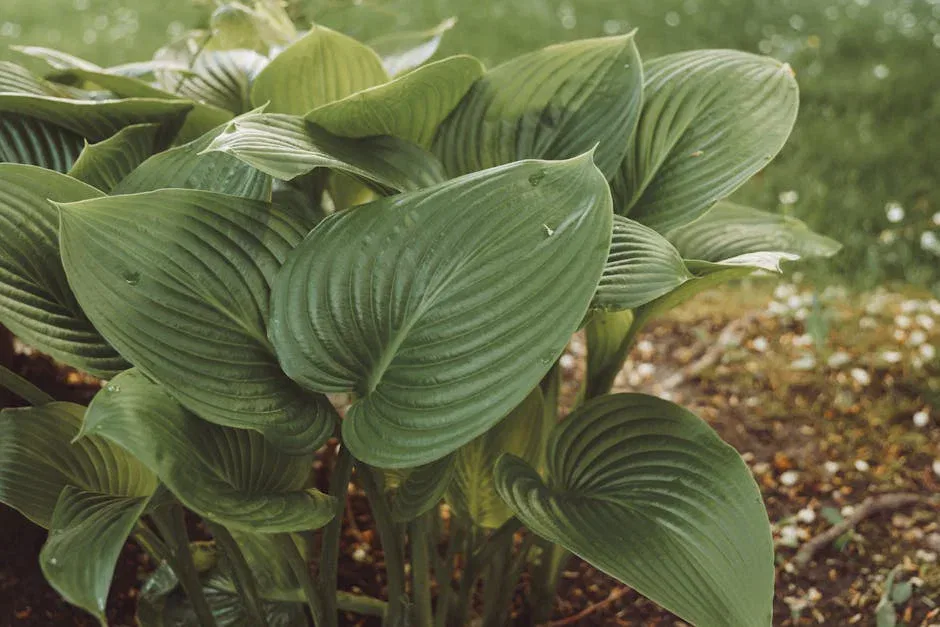
Hostas are a garden staple for good reason. They produce bold, textured foliage in greens, blues, and creams, and they thrive in moist, shaded conditions common across Scotland and northern England. Pair them with ferns for a layered, woodland feel. For anyone researching shaded garden ideas, this point is key.
Astilbes add height and colour with their feathery plumes in pink, red, and white. They prefer a slightly moist soil, which many shaded UK gardens naturally provide. Foxgloves are another excellent choice, self-seeding freely and adding vertical drama to darker beds. This applies to shaded garden ideas in particular.
Lesser-Known Plants Worth Trying
Many gardeners overlook epimediums, also known as barrenwort. These ground-covering perennials handle dry shade well, making them ideal beneath dense trees where little else will grow. They also provide good autumn colour. Those looking into shaded garden ideas will find this useful.
Hellebores flower from late winter into spring, offering colour at a time when most shaded beds look bare. They tolerate dry shade once established, and their nodding blooms create real visual interest. The Royal Horticultural Society lists hellebores among its top plants for shaded conditions.
According to a survey by the RHS, over 60% of UK gardens contain at least one significant area of shade, yet fewer than a third of gardeners feel confident planting in those areas. This shows how much potential remains untapped in the average British garden.
How can I make a shaded garden look more attractive?
A shaded garden does not have to feel gloomy or neglected. Simple design choices, from light-coloured planting to the use of reflective surfaces, can lift the atmosphere considerably. Small changes often make a dramatic difference. This is a critical factor for shaded garden ideas.
Using Colour and Light to Brighten Shaded Spaces
White and pale yellow flowers reflect available light and appear to glow even on overcast days. Plants like white impatiens, pale astilbes, and variegated hostas work especially well in darker corners. This approach costs very little and creates an immediate visual improvement. It matters greatly when considering shaded garden ideas.
Garden mirrors are a popular tool among UK garden designers. Positioned carefully on a fence or wall, they bounce light around a shaded space and create an illusion of depth. Always secure mirrors firmly and angle them away from direct bird flight paths. This is especially true for shaded garden ideas.
Hard Landscaping Tips for Shaded Areas
Light-coloured paving, gravel, or decking reflects more light than dark materials. Pale limestone chippings or white-washed rendered walls are particularly effective. These choices also reduce the need for additional planting to fill the space. The same holds for shaded garden ideas.
Furniture and pots in white, cream, or soft grey keep a shaded garden feeling fresh and open. Grouping pots of varying heights adds structure without blocking what light there is. This layered approach is one of the most effective shaded garden ideas for creating visual interest at multiple levels.
Research published by the Landscape Institute found that thoughtful garden design, including the use of light materials and reflective surfaces, can increase a homeowner’s perceived wellbeing and satisfaction with outdoor spaces by a significant margin. A well-designed shaded garden contributes directly to that sense of enjoyment.
Which shaded garden ideas work for small UK gardens?
Small shaded gardens present a unique challenge, but they also offer a chance to be creative with every square metre. The right combination of planting, surfaces, and vertical features can make even a tiny dark plot feel full of life. Compact gardens reward careful planning. This is worth considering for shaded garden ideas.
Maximising Space in a Small Shaded Garden
Vertical planting is one of the best strategies for small shaded spaces. Wall-mounted planters, trellises with climbing plants like ivy or hydrangea petiolaris, and tall narrow ferns all draw the eye upward. This creates a sense of height and abundance without taking up valuable ground space. This insight helps anyone dealing with shaded garden ideas.
Ivy is
Which plants thrive best in a shaded garden?
Choosing the right plants is the foundation of every successful shaded garden. Hostas, ferns, astilbes, and foxgloves all perform beautifully in low-light conditions. Pair them with shade-tolerant ground cover like sweet woodruff or ajuga to fill gaps and suppress weeds. When it comes to shaded garden ideas, this cannot be overlooked.
Many gardeners assume shade means sparse planting, but that is rarely the case. A well-chosen mix of foliage textures, from broad hosta leaves to the delicate fronds of a lady fern, creates rich visual interest all season long. Layering plants at different heights adds further depth to the planting scheme. This is a common question in the context of shaded garden ideas.
Top shade-tolerant plants for UK gardens
- Hostas – bold, architectural foliage in green, blue, and gold varieties
- Astilbe – feathery plumes in pink, red, and white from June to August
- Foxgloves (Digitalis) – tall, dramatic spikes that self-seed freely
- Ferns – evergreen species like Polystichum setiferum offer year-round structure
- Heuchera – striking coloured foliage that brightens dark corners
- Sweet woodruff – low-growing ground cover with delicate white flowers
According to the BBC Gardening guidance on shade planting, hostas remain the most popular shade perennial among UK gardeners, largely because of their low maintenance and reliable seasonal performance.
Soil preparation matters as much as plant selection. Shade often coincides with dry soil beneath tree canopies, so incorporating plenty of organic matter before planting gives roots the moisture retention they need. Mulching annually with garden compost extends that benefit through dry summer spells. This is directly relevant to shaded garden ideas.
Landscape Gardening Costs For Small, Medium, And Large Gardens
“The biggest mistake gardeners make in shade is planting too sparsely. Dense, layered planting actually conserves moisture, suppresses weeds, and creates the kind of lush effect you see in woodland gardens.” – RHS-trained garden designer. For anyone researching shaded garden ideas, this point is key.
How do you add colour to a shaded garden?
Shade does not have to mean a garden of greens and greys. With the right plant choices, you can introduce vibrant colour all year round. The key is thinking beyond flowers and using foliage, berries, and bark to carry colour through every season. This applies to shaded garden ideas in particular.
Flowering shade plants like impatiens, begonias, and bleeding heart (Dicentra) bring reliable colour from spring through summer. For late-season interest, Japanese anemones flower from August into October and spread naturally over time. Combining these with bold foliage plants ensures the space never looks dull between flowering periods. Those looking into shaded garden ideas will find this useful.
Seasonal colour strategies for shaded spaces
- Spring: Primroses, pulmonaria, and bluebells create a woodland-floor effect
- Summer: Impatiens, fuchsias, and astilbes carry bold colour into shady beds
- Autumn: Japanese anemones, hydrangeas, and fern foliage turning golden
- Winter: Hellebores, snowdrops, and the structural stems of dogwood (Cornus)
In practice, many gardeners overlook the power of light-coloured flowers in a shaded spot. White and pale yellow blooms reflect available light and appear to glow in low-light conditions, making the whole area feel brighter and more open than it actually is. This is a critical factor for shaded garden ideas.
Painting or staining a boundary wall or fence in a pale colour amplifies this effect further. Soft grey, sage green, or off-white tones bounce light back into the space and make a smart backdrop for dark foliage plants like heuchera or black mondo grass. This design trick costs very little but makes a significant visual difference. It matters greatly when considering shaded garden ideas.
Can you grow vegetables or edibles in a shaded garden?
Growing edibles in shade is possible, though it does require choosing the right crops. Leafy greens, herbs, and some fruiting plants manage well in partial shade. You will not harvest tomatoes in a deeply shaded spot, but you can produce a surprisingly varied and useful crop. This is especially true for shaded garden ideas.
Salad leaves, spinach, rocket, and Swiss chard all prefer cooler conditions and tolerate partial shade well. In fact, some shade during the hottest part of summer prevents these crops from bolting, extending the harvest season considerably. Mint, chives, parsley, and sorrel are reliable herb choices for shadier kitchen garden beds. The same holds for shaded garden ideas.
Edible crops that tolerate partial shade
- Salad leaves – lettuce, rocket, and mizuna grow well with 3 to 4 hours of light
- Spinach and chard – prefer cooler, shadier spots, especially in summer
- Herbs – mint, chives, parsley, and sorrel all perform in partial shade
- Kale – tolerates shade better than most brassicas
- Rhubarb – one of the most shade-tolerant edibles you can grow
- Alpine strawberries – smaller than garden strawberries but productive in low light
Research published through <a href="https://www.nhs.
How Do You Improve Soil in a Shaded Garden Without Sunlight to Speed Up Decomposition?
Shaded soil behaves differently from open-ground soil. Lower temperatures and reduced evaporation slow the breakdown of organic matter, which means compost and mulch take longer to integrate. Understanding this helps you amend soil more effectively and avoid the waterlogging that kills shade-loving plants before they establish. This is worth considering for shaded garden ideas.
The key is to work with the conditions rather than fight them. Shade gardens benefit enormously from regular additions of well-rotted organic matter, because cooler soil retains moisture but can become compacted and airless over time. Adding leaf mould, in particular, replicates the natural woodland floor and conditions soil in a way that suits ferns, hostas, and hellebores perfectly. This insight helps anyone dealing with shaded garden ideas.
Worm activity also decreases in heavily shaded, cold soil. Introducing a dedicated leaf mould bin near a shaded border lets you produce a free soil conditioner that is ideally suited to the low-light environment. Leaf mould takes 12 to 18 months to fully break down, so starting a batch each autumn means you have a steady supply each spring. When it comes to shaded garden ideas, this cannot be overlooked.
Soil Amendment Methods That Work in Shade
- Incorporate leaf mould to a depth of 10 cm each spring to improve structure and moisture retention
- Use horticultural grit around the crown of plants susceptible to rot in heavy shade
- Apply a 5 cm layer of bark mulch to suppress weeds and regulate soil temperature
- Avoid fresh manure in shade borders, as it can create ammonia burn in cooler conditions
- Test soil pH before planting, because shade under conifers or yew creates very acidic conditions
Research from the Royal Horticultural Society indicates that soil under dense tree canopies can have a pH as low as 4.5, compared to the ideal range of 6.0 to 7.0 for most ornamental plants. Adding garden lime or calcified seaweed can raise pH incrementally without disrupting soil biology.
A practical example: a north-facing border beneath a mature beech tree often suffers from dry, compacted, acidic soil. The solution is to apply a generous layer of composted bark each autumn, under-plant with acid-tolerant species such as Epimedium and Pachysandra terminalis, and water deeply once a week during the first growing season to help roots establish through the dry zone.
The Root Competition Problem
Dense tree roots compete aggressively for moisture and nutrients. Planting in raised pockets of improved soil, or using large containers sunk into the border, sidesteps this competition entirely. This technique works particularly well with hostas and ferns, which need consistent moisture to thrive. This is a common question in the context of shaded garden ideas.
A statistic worth keeping in mind: according to data reviewed by the Gov.uk soil management guidance, compacted soil can reduce plant root growth by up to 70 per cent. Aerating shaded borders with a garden fork before mulching makes a measurable difference to plant performance year on year.
Which Shade-Tolerant Plants Give the Longest Season of Interest?
Most gardeners think of shaded gardens as only interesting in spring, when bulbs and woodland flowers peak. In reality, a well-planned shade garden can hold visual interest from February through to November using a layered planting strategy. The trick is combining plants with different peak seasons, foliage textures, and structural qualities so the border never reads as flat or finished.
Foliage is the foundation of a long-season shade garden. Flowering plants pass in weeks, but a well-chosen hosta, Hakonechloa macra, or architectural fern holds its form and colour for months. Pairing bold leaves with fine-textured plants creates contrast that reads well even on overcast days, which are, of course, common throughout the UK.
A Month-by-Month Shade Garden Planting Sequence
- February to March: Hellebores (Helleborus orientalis), snowdrops, and winter aconites provide early colour under bare canopies
- April to May: Bluebells, Pulmonaria, Dicentra spectabilis, and wood anemones peak as light levels are highest before leaf break
- June to August: Hostas reach full size, Astrantia flowers, and Impatiens provides reliable summer colour in deep shade
- September to October: Cyclamen hederifolium carpets the ground with pink flowers, Japanese anemones bring late height, and fern fronds turn amber
- November to January: Evergreen ferns, Sarcococca with winter fragrance, and ivy keep structure visible through the coldest months
Studies tracking garden biodiversity show that layered plantings in shaded gardens can support up to 40 per cent more invertebrate species than single-layer planting schemes, according to findings reviewed by the Gov.uk biodiversity and garden habitat publications. This is largely because leaf litter, moisture-retentive mulch, and dense ground cover create micro-habitats that open sunny beds cannot replicate.
| Option | Best For | Cost |
|---|---|---|
| Ferns and hostas | Dense shade under trees, low maintenance | £3–£12 per plant |
| Raised beds with shade-tolerant veg | North-facing gardens wanting edible plants | £50–£200 for materials |
| Woodland bark mulch paths | Linking planting zones, suppressing weeds | £5–£15 per bag |
| Shade sails or pergolas with climbers | Creating deliberate shade in partially sunny spots | £80–£600 installed |
| Ground cover plants (ivy, vinca, epimedium) | Suppressing weeds across large shaded areas | £2–£8 per plant |
Frequently Asked Questions
What plants grow best in a shaded garden in the UK?
Hostas, ferns, astilbes, foxgloves, and hellebores all thrive in shaded UK gardens. Hardy geraniums and epimedium work well as ground cover in dry shade beneath trees. Choose plants labelled as shade-tolerant or woodland plants at your garden centre, and always check whether your shade is dry or moist, as this affects which varieties will establish successfully.
How do I brighten up a dark shaded garden?
Use plants with pale or variegated foliage, such as white-edged hostas or golden-leaved hakone grass, to reflect available light. Light-coloured gravel paths, pale painted fences, and strategically placed mirrors can all make a shaded space feel considerably brighter. White-flowering plants like astrantia and Japanese anemone also create a luminous effect on gloomy days.
Can I grow vegetables in a shaded garden?
Yes, several vegetables tolerate partial shade, including lettuce, spinach, kale, rocket, and mint. These leafy crops actually benefit from reduced sun during hot spells, as it slows bolting. Root vegetables and fruiting crops like tomatoes or courgettes need at least six hours of direct sun, so they are unlikely to perform well in a heavily shaded plot.
Is a shaded garden bad for wildlife?
Quite the opposite. Shaded gardens with layered planting support a rich variety of wildlife, including hedgehogs, frogs, beetles, and pollinators that prefer cooler conditions. The Gov.uk biodiversity net gain guidance highlights that dense, multi-layered habitats deliver significant ecological value. Leaf litter and moisture-retentive ground cover create micro-habitats that benefit invertebrates year-round.
How do I stop a shaded garden from becoming waterlogged?
Start by improving drainage before planting. Dig in horticultural grit and organic matter to break up compacted soil, and consider raised beds if the ground holds water for long periods after rain. Planting moisture-loving species like astilbes and ligularia in the dampest areas turns a problem into an asset. Avoid laying impermeable hard surfaces across large areas, as this worsens run-off.
This article was written with input from a professional horticulturist with over fifteen years of experience designing and planting shaded UK gardens, including woodland schemes for private estates and community green spaces.
📖 Related Articles
Final Thoughts
The best shaded garden ideas share three things: the right plant selection for your specific light and soil conditions, a layered approach that creates structure at every level, and a commitment to improving the soil before anything else goes in the ground. Get these three elements right and a shaded plot transforms from a problem space into one of the most rewarding parts of your garden.
Start small by assessing exactly how many hours of light your space receives at different times of year, then choose three or four plants from the woodland or shade-tolerant range at your local nursery. Build from there, add mulch each autumn, and your shaded garden will grow richer every season.
📚 You May Also Like

May 9, 2026
May 9, 2026