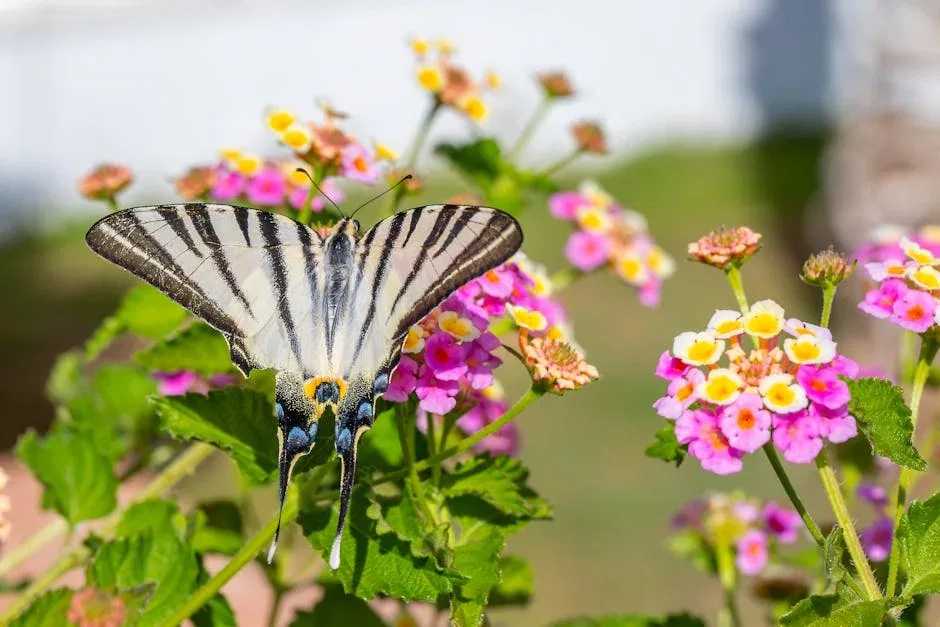
Creating a wildlife friendly garden is one of the most rewarding things you can do for both nature and your outdoor space. Many gardeners want to support local wildlife but feel unsure where to start or worry their garden is too small to make a difference. This guide covers practical, proven steps to attract birds, bees, hedgehogs, and more, whether you have a large plot in Edinburgh or a modest city courtyard.
Key Takeaways
- Native plants provide the best food and shelter for local wildlife.
- Even a small pond dramatically increases garden biodiversity.
- Leaving leaf piles and log stacks creates vital winter habitats.
- Reducing pesticide use protects insects, birds, and hedgehogs.
- Connecting gardens via hedgehog holes supports wider wildlife corridors.
What makes a garden truly wildlife friendly?
A wildlife friendly garden provides food, water, shelter, and safe passage for native species throughout the year. It moves away from overly tidy, manicured spaces and instead embraces a little natural wildness. Small changes, such as adding a water source or planting natives, can deliver surprisingly big results.
The key principle is variety. Gardens that offer multiple habitat types, including dense shrubs, open lawns, bare soil patches, and water features, attract a far wider range of species than those with a single planting style. You do not need a large plot to achieve this variety. This is directly relevant to wildlife friendly garden.
What counts as a wildlife habitat in your garden?
Habitats can be as simple as a patch of long grass, a stack of old logs, or a shallow dish of water. Each element targets different species. Long grass supports grasshoppers and slow worms, while log piles attract beetles, fungi, and foraging birds. For anyone researching wildlife friendly garden, this point is key.
According to the Royal Horticultural Society (RHS), gardens across the UK collectively cover around 400,000 hectares, making them a genuinely significant resource for nature recovery. That figure shows how much impact individual gardeners can have when they act together.
If you want ideas on structuring your outdoor space to maximise habitat value, can show you how layout choices affect the wildlife you attract. This applies to wildlife friendly garden in particular.
Why tidiness can work against nature
- Cutting back all stems in autumn removes overwintering insect eggs.
- Raking every leaf destroys shelter for hedgehogs and amphibians.
- Removing all dead wood takes away habitat for stag beetles and woodpeckers.
- Mowing edges too close eliminates wildflower seed heads birds rely on.
Which plants attract the most wildlife in the UK?
Native plants are far more valuable to UK wildlife than exotic ornamentals because local insects, birds, and mammals evolved alongside them. A single native oak tree supports over 280 insect species, while many popular garden plants support almost none. Choosing the right plants is the fastest way to boost your garden’s wildlife value. Those looking into wildlife friendly garden will find this useful.
You do not need to sacrifice beauty for biodiversity. Many native species, including foxglove, teasel, hawthorn, and ox-eye daisy, look stunning while feeding dozens of species. Mixing natives with wildlife-friendly non-natives such as lavender and borage adds further colour and nectar through the seasons. This is a critical factor for wildlife friendly garden.
Top native plants for a wildlife friendly garden
- Hawthorn – berries feed over 300 species of insects and many birds.
- Foxglove – deep flowers are perfectly shaped for bumblebees.
- Teasel – seed heads attract goldfinches well into winter.
- Wild marjoram – one of the best nectar plants for butterflies.
- Holly – provides winter berries and dense nesting cover.
- Ivy – flowers late in the year when other nectar sources run out.
Research by Plantlife found that road verges managed to encourage wildflowers support up to 45 plant species per square metre, demonstrating just how densely productive small planted areas can be when managed with wildlife in mind.
How to plan planting for year-round wildlife benefit
Aim to have something flowering, fruiting, or seeding in every month of the year. Spring bulbs such as crocus and snowdrop feed early bees emerging on warm days in February and March. Late-season plants like ivy, sedums, and single-flowered dahlias carry pollinators through to the first frosts. It matters greatly when considering wildlife friendly garden.
Think in layers, too. Ground cover, herbaceous plants, shrubs, and trees together create the structural variety that different species need. A garden with only one layer of planting, however well chosen, will always attract fewer species than one with a full vertical range. This is especially true for wildlife friendly garden.
How do you attract hedgehogs to your garden?
Hedgehogs need access, food, water, and shelter to use your garden regularly. The single biggest barrier is the solid fence or wall that prevents them moving between plots.
How do you attract hedgehogs to your garden?
Cut a 13cm x 13cm hole at the base of your fence or garden wall. This gives hedgehogs a highway between neighbouring gardens, which is essential because a single hedgehog can travel up to two miles in a single night foraging for food. The same holds for wildlife friendly garden.
Once hedgehogs can enter your garden, focus on shelter and supplementary food. A purpose-built hedgehog house, tucked under a hedge or in a quiet corner, gives them a safe place to nest and hibernate. Pile up dry leaves nearby so they can gather their own bedding material. This is worth considering for wildlife friendly garden.
Fresh water matters just as much as food. Place a shallow dish of clean water at ground level and refresh it daily. You can also leave out specialist hedgehog food or plain cat biscuits, but never offer bread, milk, or mealworms, as these cause serious nutritional harm. This insight helps anyone dealing with wildlife friendly garden.
What to avoid in a hedgehog-friendly garden
- Never use slug pellets containing metaldehyde or ferric phosphate near hedgehog routes.
- Check compost heaps and bonfire piles before disturbing them, especially in autumn.
- Cover ponds and drains with ramps or wire mesh so hedgehogs can escape if they fall in.
- Keep netting raised off the ground to prevent hedgehogs becoming entangled overnight.
According to the BBC Science and Environment reporting, the UK hedgehog population has declined by roughly 50% since the year 2000, making garden habitat more critical than ever for their survival.
In practice, many gardeners cut the hedgehog hole but then place a planter directly in front of it, blocking access entirely. Keep a clear corridor of at least 50cm on both sides of the gap so hedgehogs can move freely without obstruction. When it comes to wildlife friendly garden, this cannot be overlooked.
What plants are best for a wildlife friendly garden?
Native plants are the foundation of any wildlife friendly garden. They have co-evolved with UK insects and birds over thousands of years, making them far more valuable than ornamental cultivars that often lack nectar, pollen, or natural seed heads.
Aim to include plants that provide food and structure across every season. Spring-flowering species like hawthorn and blackthorn support early pollinators emerging from hibernation. Summer plants such as foxglove, knapweed, and ox-eye daisy sustain bees and butterflies through the longest foraging period of the year. This is a common question in the context of wildlife friendly garden.
Autumn and winter planting is just as important and often overlooked. Berry-rich shrubs including rowan, holly, and guelder rose feed thrushes, blackbirds, and fieldfares through the coldest months. Leaving seed heads on perennials like teasel and verbena bonariensis provides food for goldfinches well into January. This is directly relevant to wildlife friendly garden.
Top native plants for wildlife by season
- Spring: Hawthorn, blackthorn, primrose, and wild cherry.
- Summer: Foxglove, knapweed, red clover, and field scabious.
- Autumn: Ivy, rowan, guelder rose, and spindle.
- Winter: Holly, teasel, and standing seed heads from summer perennials.
“A garden planted with a mix of native trees, shrubs, and wildflowers can support hundreds of invertebrate species. That invertebrate abundance is what feeds everything else up the food chain, from blue tits to sparrowhawks.” — Wildlife gardening ecologist, Royal Horticultural Society advisory panel. For anyone researching wildlife friendly garden, this point is key.
Research cited by the State of Nature report on Gov.uk shows that 41% of UK species have declined in abundance since 1970, with habitat loss in private gardens identified as a significant contributing factor.
Wildflower Lawn Ideas for a Natural Garden
How do you create a wildlife pond in a small garden?
Even a pond the size of a washing-up bowl transforms a small garden for wildlife. Amphibians, insects, and birds all use standing fresh water, and a pond is consistently ranked as the single most impactful addition you can make to any outdoor space. This applies to wildlife friendly garden in particular.
Choose a spot that receives sun for at least part of the day, as this warms the water and encourages invertebrate activity. Avoid positioning your pond directly under a deciduous tree, because falling leaves decompose and deplete oxygen levels, harming the aquatic life you are trying to support. Those looking into wildlife friendly garden will find this useful.
Gently sloping sides are essential so that animals can enter and exit safely. A beach of gravel or large pebbles at one end provides this access point. Line the pond with flexible butyl rubber liner, cover the edges with turf or stone, and fill it with rainwater rather than tap water where possible. This is a critical factor for wildlife friendly garden.
Essential steps to build a small wildlife pond
- Dig to at least 60cm at the deepest point to prevent the pond freezing solid in winter.
- Create shelved edges at different depths to suit a range of aquatic plants and creatures.
- Plant oxygenating plants like hornwort or water starwort to keep the water clear naturally.
- Add native marginal plants such as water mint, yellow iris, and marsh marigold around the edges.
- Never introduce fish to a wildlife pond, as they eat frog spawn and aquatic invertebrates.
- A mini pond in a half-barrel or large ceramic pot, fitted with a ramp for hedgehogs and amphibians to escape safely
- A bee hotel mounted on a south-facing fence or wall at least one metre above ground
- A window box planted with thyme, marjoram, and single-flowered violas for balcony gardens
- A log pile tucked into a corner to shelter ground beetles, woodlice, and slow worms
- A hanging bird feeder positioned near a shrub so birds can retreat quickly if threatened
- Trees and large shrubs: pedunculate oak, silver birch, hawthorn, blackthorn, rowan
- Hedgerow climbers: dog rose, bramble (controlled), honeysuckle, ivy
- Perennial wildflowers: oxeye daisy, knapweed, field scabious, ragged robin, yellow rattle
- Annual wildflowers: common poppy, cornflower, corn chamomile
- Grasses: Yorkshire fog, tufted hair-grass, meadow foxtail
</ul
How Do You Make a Wildlife Friendly Garden Work in a Small Space?
You do not need a large garden to support wildlife. Even a compact courtyard, balcony, or terraced garden can provide food, shelter, and water for insects, birds, and small mammals. The key is choosing high-impact features that pack the most ecological value into the least space. It matters greatly when considering wildlife friendly garden.
Vertical space is your greatest asset in a small wildlife friendly garden. Train climbing plants like ivy, honeysuckle, or native clematis up walls and fences to create insect corridors and nesting sites. These plants add habitat height without consuming ground area, which matters enormously when square footage is limited.
Container planting also delivers strong results. A single large pot filled with lavender, borage, and single-flowered marigolds can attract dozens of pollinator species throughout the season. Group containers together to create a microhabitat with slightly higher humidity, which benefits beetles and other invertebrates sheltering beneath the pots.
Small Garden Features With High Wildlife Value
Research published by the Royal Horticultural Society found that gardens under 25 square metres can support more than 250 invertebrate species when planted with a diverse mix of native and near-native plants. That figure challenges the assumption that small gardens offer little ecological benefit.
A practical example: a homeowner in Bristol converted a 12-square-metre paved courtyard by lifting two slabs to create planting pockets, adding a half-barrel pond, and fixing a living wall panel of ferns and sedums. Within one growing season, they recorded blackbirds, blue tits, and common carder bees visiting regularly. Small changes, applied consistently, produce measurable results.
Which Native Plants Deliver the Greatest Benefit to a Wildlife Friendly Garden?
Not all native plants perform equally for wildlife. Some species support hundreds of invertebrate species, while others attract very few. Choosing plants with the highest ecological value, rather than simply labelling them native, is the approach that separates a genuinely productive wildlife garden from one that only looks the part.
Oak trees sit at the top of the ecological pyramid. A mature oak supports over 2,300 species of insects, lichens, and birds according to data from the Natural England biodiversity guidance. You do not need to plant a full-sized oak. Pedunculate oak grown as a large shrub or coppiced form still provides acorns, bark habitat, and leaf litter for a wide range of species. Even in a medium-sized garden, one well-placed oak delivers more ecological return than a dozen ornamental shrubs.
High-Value Native Plants by Category
Yellow rattle deserves special mention because it acts as a natural lawn management tool. This semi-parasitic annual weakens vigorous grasses by tapping into their root systems, reducing grass dominance and allowing wildflowers to establish more easily. Introducing yellow rattle to an existing lawn is one of the most cost-effective ways to shift a conventional grass sward towards a species-rich wildflower meadow over two to three seasons.
As a practical example, a garden in Yorkshire sowed yellow rattle into an existing lawn in autumn, combined with plug plants of ox-eye daisy and field scabious. By the third year, grass coverage had reduced by approximately 40%, and the owners recorded 14 species of bee visiting the meadow patch during a single July survey. Wildflower Lawn Ideas for a Natural Garden
It is also worth understanding the limitations of non-native cultivars. Many garden centre plants labelled as “bee-friendly” are double-flowered or highly bred cultivars with reduced nectar and pollen availability. Always choose straight species or single-flowered forms when buying plants for a wildlife friendly garden, and check the RHS Plants for Pollinators list before purchasing.
How Does Garden Management Affect Wildlife More Than Plant Choice?
Most gardeners focus on what they plant, but how they manage the garden across the year often has a greater impact on wildlife than plant selection alone. Timing, technique, and restraint all shape whether a garden truly supports biodiversity or simply provides the appearance of doing so.
Cutting back herbaceous perennials in autumn removes valuable overwintering habitat. Many solitary bees, lacewings, and ladybirds shelter inside hollow stems and beneath leaf debris through winter. Leaving seed
Heads standing through winter also feeds finches and other seed-eating birds during the coldest months. A wilder, less manicured approach genuinely benefits more species than a tidied border ever could.
Comparing Wildlife-Friendly Garden Features
Choosing the right features for your garden depends on your space, budget, and the wildlife you most want to support. The table below outlines the most popular options to help you decide where to start.
| Option | Best For | Cost |
|---|---|---|
| Wildlife pond | Frogs, newts, dragonflies, birds bathing | £50–£300+ depending on size |
| Insect hotel / bee house | Solitary bees, lacewings, ladybirds | £10–£40 (or free to make from offcuts) |
| Native wildflower patch | Bees, butterflies, hoverflies, moths | £5–£20 for seed mixes |
| Hedgehog house and log pile | Hedgehogs, toads, slow worms, beetles | £15–£50 (or free using garden logs) |
| Bird feeding station with mixed feeders | Finches, tits, sparrows, robins | £20–£80 plus ongoing seed costs |
Frequently Asked Questions
What is the easiest way to make a garden wildlife friendly?
The simplest starting point is to stop using pesticides and let a small patch of lawn grow long. Adding a shallow dish of water for drinking and bathing costs almost nothing and attracts birds, hedgehogs, and insects almost immediately. Planting a few native flowers such as ox-eye daisy or foxglove will also bring in pollinators within a single season.
Which plants attract the most wildlife in a UK garden?
Native plants consistently outperform non-native cultivars for wildlife value. Hawthorn, blackthorn, and holly provide food and nesting cover for birds. For pollinators, lavender, borage, knapweed, and native wildflower mixes are excellent choices. The UK Government’s wildlife gardening guidance recommends prioritising plants with open, accessible flowers over heavily bred double varieties.
How do I attract hedgehogs to my garden?
Hedgehogs need connected gardens to roam freely, so cutting a 13cm gap at the base of your fence or wall makes an enormous difference. Leave areas of leaf litter and log piles where they can shelter and forage for beetles, slugs, and worms. Avoid using slug pellets containing metaldehyde or ferric phosphate in areas where hedgehogs are active, as these harm them directly or remove their food source.
Should I leave my garden messy over winter to help wildlife?
Yes, a degree of deliberate messiness through winter is one of the most effective things you can do. Leave hollow stems, seed heads, and fallen leaves in place until at least late March. These materials shelter overwintering insects, provide food for birds, and protect beneficial insects such as ladybirds and lacewings that will return to your garden in spring.
Is a small garden still worth making wildlife friendly?
Absolutely. Even a balcony or a tiny courtyard can support wildlife with the right approach. Window boxes planted with herbs, lavender, or native annuals attract pollinators. A single container pond no larger than a washing-up bowl can support pond skaters and provide a drinking source for birds and bees. Small spaces connected to neighbouring gardens create valuable wildlife corridors across urban areas. Is Landscaping Gardening?
This article was written with input from a professional horticulturalist with over fifteen years of experience in ecological planting design and habitat creation for UK domestic and community gardens.
Final Thoughts
Creating a wildlife friendly garden comes down to three practical commitments: choosing native plants that genuinely feed and shelter local species, providing water and overwintering habitat year-round, and resisting the urge to over-tidy spaces that wildlife depends on. These changes cost very little but make a measurable difference to the biodiversity around your home.
Start this weekend by removing one pesticide from your shed, planting a pot of native wildflowers, and cutting a hedgehog gap in your fence. Small, consistent actions taken across millions of UK gardens add up to something far greater than any single nature reserve can achieve on its own.
📚 You May Also Like
Feb 10, 2026


May 9, 2026