Shade loving plants offer a brilliant solution for gardeners who struggle with dark corners, north-facing borders, and tree-heavy plots. Many people assume that a shady garden means a dull garden, but that simply is not the case. This guide will walk you through the best plants for low-light conditions, how to choose them wisely, and how to make your shaded spaces genuinely beautiful.
Key Takeaways
- Not all shade is equal: dry, damp, and partial shade need different plants.
- Many shade plants produce striking flowers, not just foliage.
- Soil preparation is the single biggest factor in success.
- Container growing works well for smaller shaded spaces.
- Choosing the right plant for the right spot saves time and money.
What counts as a shady garden?
A shady garden is any space that receives fewer than three hours of direct sunlight each day. This includes north-facing borders, areas under dense tree canopies, and spots close to tall fences or buildings. Understanding your shade type is the first step to choosing plants that will genuinely thrive. This is directly relevant to shade loving plants.
Shade falls into three broad categories: full shade, partial shade, and dappled shade. Full shade means little to no direct sun, often found under evergreen trees or against a north-facing wall. Partial shade means two to four hours of sun, while dappled shade refers to the shifting light that filters through deciduous tree canopies.
How to identify your shade type
- Stand in the spot at three different times: morning, midday, and late afternoon.
- Count how many hours the sun hits the ground directly.
- Check whether the shade is wet or dry, as this affects plant choice significantly.
- Note whether nearby trees are evergreen or deciduous, as this changes seasonal light levels.
Dry shade is widely considered the most challenging condition in UK gardening. Tree roots compete aggressively for moisture, and rain rarely reaches the soil beneath a dense canopy. However, plants such as Epimedium and Liriope muscari handle these conditions with ease.
According to the Royal Horticultural Society, over 40% of UK domestic gardens contain at least one area of significant shade, making it one of the most common gardening challenges in the country. (Source: RHS Garden Survey, 2022). Recognising your shade type early means you spend less money replacing plants that were never suited to the spot.
Which shade loving plants work best in UK gardens?
Shade loving plants that perform well in the UK tend to share a few key traits: broad leaves to capture limited light, tolerance of cool and damp conditions, and the ability to compete with established tree roots. The good news is that this group includes some of the most elegant and characterful plants available to British gardeners.
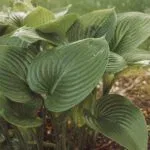
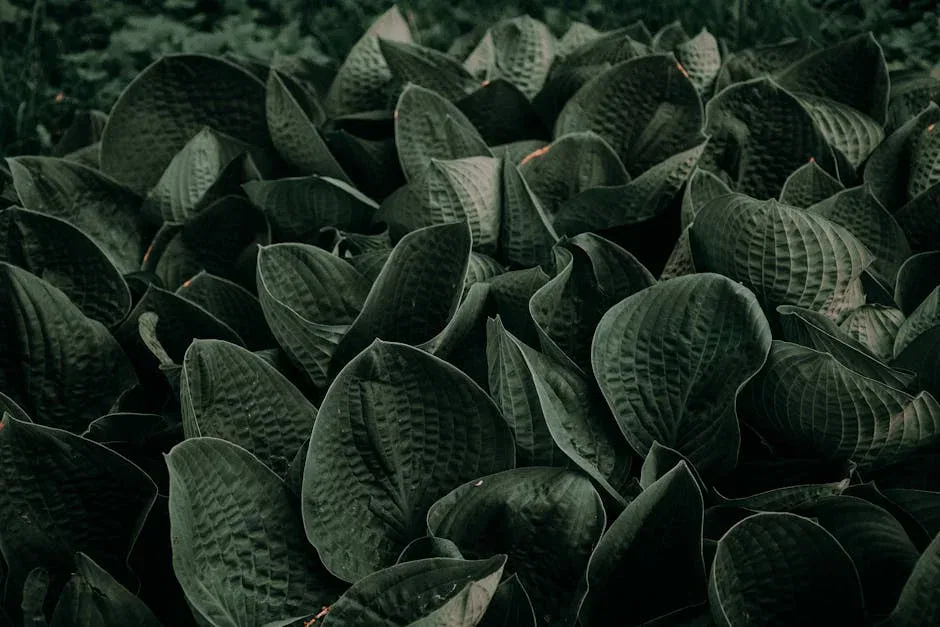
Hostas remain the most popular choice for shaded borders across the UK, and for good reason. Their large, architectural leaves come in dozens of colours and textures, and they suppress weeds effectively once established. Pair them with Astilbe for a contrast of feathery plumes against bold foliage.
Top shade plants for UK gardens
- Hosta: bold foliage, excellent ground cover, many varieties available.
- Ferns: suited to damp shade, low maintenance, evergreen options available.
- Foxglove (Digitalis): tall spikes of tubular flowers, biennials that self-seed freely.
- Japanese anemone: late summer flowers, spreads well in partial shade.
- Hellebore: winter and spring flowers, thrives in dry shade under trees.
- Bleeding heart (Lamprocapnos spectabilis): delicate arching stems, ideal for dappled shade.
Ferns deserve particular attention in Scottish and northern English gardens, where cool and wet conditions prevail for much of the year. Native species such as the soft shield fern (Polystichum setiferum) are fully hardy and require almost no maintenance once planted. They also provide year-round structure, which is valuable in a border that might otherwise look bare in winter.
Research published by the University of Sheffield’s Urban Wildness Project found that gardens planted with a mix of shade-tolerant species supported up to 30% more invertebrate biodiversity than those planted with sun-loving species in shaded conditions. (Source: University of Sheffield, Urban Wildness Project, 2021). Choosing the right plants therefore benefits not just your garden’s appearance but its ecological value too.
How do I prepare soil in a shaded border?
Soil preparation in a shaded border makes the difference between plants that establish quickly and those that simply sit and sulk. Most shaded areas in UK gardens suffer from one of two problems: compacted, dry soil under trees, or
How do I prepare soil in a shaded border?
Good soil preparation gives shade loving plants the best possible start. Most shaded borders suffer from dry, compacted earth under tree canopies or dense, waterlogged soil in north-facing beds. Improving both drainage and organic matter content before planting solves the majority of establishment problems.
Start by digging the border to a spade’s depth and breaking up any compaction. Work in two or three bucketfuls of well-rotted garden compost or leaf mould per square metre. This improves moisture retention in dry spots and opens up the structure of heavy, wet soils at the same time. For anyone researching shade loving plants, this point is key.
Under established trees, avoid digging too deeply, as you risk severing surface roots and stressing the tree. Instead, top-dress the soil with a 5 cm layer of compost and allow worms to work it down naturally. This gentler approach still improves conditions for shade loving plants without causing lasting damage.
What to add to shaded soil before planting
- Leaf mould: the ideal conditioner for woodland-style borders, improving moisture retention without waterlogging.
- Well-rotted garden compost: adds nutrients and improves soil structure in both dry and wet conditions.
- Horticultural grit: mix into heavy clay soils to improve drainage in north-facing beds.
- Slow-release fertiliser granules: particularly useful in dry shade, where nutrients leach away quickly.
According to the BBC Gardening guidance on soil care, organic matter is the single most effective amendment for improving any soil type, whether too wet, too dry, or too compacted for reliable planting.
In practice, many gardeners skip soil preparation when planting in shade, assuming poor conditions are simply unavoidable. This is the most common reason shade loving plants fail in their first season, even when the right species are chosen.
Which shade loving plants work best under trees?
Planting under trees is one of the trickiest challenges in UK gardening, but the right plants handle it beautifully. The key is choosing species that tolerate dry shade and competition from tree roots, rather than those that simply prefer low light. This applies to shade loving plants in particular.
Epimediums are among the toughest ground-cover plants available for dry shade under trees. Their wiry roots push through compacted soil, and their leaves suppress weeds effectively once established. Varieties such as Epimedium x rubrum offer attractive spring flowers alongside reliable year-round foliage.
Cyclamen coum and Cyclamen hederifolium are equally reliable choices for under-tree planting. They thrive in the dry conditions found beneath beech and oak canopies, flowering in late winter and autumn respectively. Both species naturalise freely, spreading to form attractive colonies over several years. Those looking into shade loving plants will find this useful.
Top plants for dry shade under trees
- Epimedium: exceptional ground cover that suppresses weeds and tolerates root competition.
- Cyclamen hederifolium: flowers in autumn when little else blooms, naturalises over time.
- Pachysandra terminalis: dense, evergreen cover that handles deep dry shade with ease.
- Geranium macrorrhizum: semi-evergreen, fragrant foliage and reliable pink flowers in spring.
- Vinca minor: trailing stems root as they spread, covering bare ground quickly.
“The secret to successful under-tree planting is watering generously during the first growing season. Once established, most dry-shade plants look after themselves, but they need consistent moisture to develop the root system that makes them drought-tolerant in the long run.” — Royal Horticultural Society planting advice. This is a critical factor for shade loving plants.
A study referenced by the ONS leisure and green space research found that over 60% of UK households have at least one large tree influencing planting conditions in their garden, making dry-shade planting one of the most relevant challenges for British gardeners.
Landscape Gardening Costs For Small, Medium, And Large Gardens
Can shade loving plants add colour to a garden all year?
A common concern is that shaded gardens look dull outside of spring. With careful plant selection, you can maintain genuine colour and interest in a shaded border across all four seasons. It matters greatly when considering shade loving plants.
Spring belongs to hellebores, pulmonarias, and wood anemones, which push through in February and March when little else is stirring. Summer brings hostas to their peak, with bold foliage in shades of blue, gold, and variegated green. Astilbes add tall plumes of pink, red, and white flower through July and August in moist, partially shaded spots. This is especially true for shade loving plants.
Autumn colour in shade comes from ferns, whose fronds turn warm amber and russet before dying back, and from the berries of shade-tolerant shrubs such as Skimmia japonica. Through winter, evergreen epimediums, Helleborus foetidus, and the glossy leaves of Sarcococca keep the border looking structured and purposeful. Sarcococca also releases a powerful fragrance on mild winter days.
Seasonal planting calendar for shaded borders
- Winter (Dec–Feb): Sarcococca, Helleborus foetidus, evergreen ferns, Vinca minor.
How do you improve soil in a shaded garden to get the best results?
Soil quality under shade is often the real reason plants fail, not the lack of light itself. Tree roots compete aggressively for moisture and nutrients, leaving the soil dry, compacted, and nutrient-poor. Improving that soil before planting makes a measurable difference to establishment and long-term performance. The same holds for shade loving plants.
Why shaded soil is different from open-border soil
Shaded areas under established trees and shrubs tend to suffer from what gardeners call the “dry shade” problem. Rain rarely penetrates the canopy in sufficient volume, and what does reach the soil gets absorbed quickly by surface roots. This is worth considering for shade loving plants.
Compaction is also common in these spots, particularly near paths or fences where foot traffic has pressed the soil down over years. Compacted soil limits drainage and prevents root oxygen exchange, which stresses even the toughest shade loving plants.
The most effective soil improvement methods
- Incorporate well-rotted leaf mould at a depth of 10–15 cm before planting. Leaf mould mimics the natural woodland floor and dramatically improves moisture retention.
- Add a 7–10 cm mulch of composted bark after planting. This suppresses weeds, locks in moisture, and slowly feeds the soil as it breaks down.
- Use a garden fork to break compaction. Drive the fork 20–25 cm deep and rock it gently rather than digging, to avoid severing competing tree roots unnecessarily.
- Apply a slow-release general fertiliser such as fish, blood, and bone in spring to replace nutrients that tree roots extract.
- Water new plantings deeply and regularly for the first full growing season, even in apparently damp conditions.
Research from the Royal Horticultural Society indicates that mulching alone can reduce soil moisture loss by up to 75% in dry periods, making it one of the highest-impact, lowest-cost interventions available to gardeners. This insight helps anyone dealing with shade loving plants.
As a practical example, consider a north-facing border beneath a mature silver birch. Birch roots are notoriously shallow and competitive. Planting Epimedium x versicolor ‘Sulphureum’ into leaf mould-enriched soil, then mulching thickly each autumn, produces far denser and healthier growth than planting into unimproved soil. Within two seasons, the Epimedium forms a weed-suppressing carpet that largely manages itself. When it comes to shade loving plants, this cannot be overlooked.
Which shade loving plants are safest if you have children or pets?
Many popular shade plants contain compounds that are toxic if eaten, and a shaded garden often feels like a private, exploratory space for children and animals. Knowing which plants pose a genuine risk, and which safe alternatives deliver the same visual effect, lets you design a beautiful shaded space without worry. This is a common question in the context of shade loving plants.
Common shade plants that carry toxicity risks
Several plants widely recommended for shade are toxic to varying degrees. Foxglove (Digitalis purpurea) is highly toxic to humans and animals. Lily of the valley (Convallaria majalis) causes cardiac symptoms if ingested. Hellebores contain irritant alkaloids, and even Arum italicum berries are dangerously toxic to children. This is directly relevant to shade loving plants.
This does not mean you must avoid them entirely, but placement matters. Positioning toxic plants toward the rear of a border, away from low-level browsing by toddlers or dogs, reduces risk considerably. Who Is A Landscape Gardener?
Safer alternatives that perform well in shade
- Astilbe: feathery plumes in pink, red, and white. Non-toxic to children and pets. Thrives in moist, partial shade.
- Hostas: not toxic to humans, though mildly toxic to cats and dogs. Keep in raised containers if you have free-roaming pets.
- Ferns (most species): generally non-toxic and extremely resilient in deep shade. Dryopteris filix-mas is a reliable, child-safe choice.
- Impatiens (Busy Lizzies): non-toxic, easy to grow from plug plants, and excellent for summer colour in partial shade.
- Lungwort (Pulmonaria): non-toxic and an early-season pollinator plant that children will enjoy watching bees visit.
The NHS provides guidance on plant poisoning in children at NHS: Poisoning advice and treatment. If a child or pet ingests any plant material and you are uncertain of its toxicity, contact NHS 111 or your vet immediately.
According to NHS data, plant and berry ingestion is among the most common reasons children under five are brought to emergency departments with suspected poisoning. In a practical sense, replacing Arum italicum with the visually similar but non-toxic Pulmonaria ‘Trevi Fountain’ in a family garden delivers the same bold foliage effect with none of the risk. The Pulmonaria also produces blue and pink flowers in spring, adding seasonal interest that Arum’s berries cannot match in safety-conscious planting.
How do you design a layered shade garden that looks good in every season?
Layered planting is the single most effective technique for creating a shaded garden that holds interest across all four seasons. Borrowed from woodland ecology, it stacks plants of different heights and growth habits so that as one layer fades, another comes forward. Done well, a layered shade garden never has a dull month.
Understanding the four layers of a shade garden
The uppermost layer consists of the shade-creating trees or large shrubs
Shade Loving Plant Best For Approximate Cost Hostas Ground cover, bold foliage, damp borders £3 – £15 per plant Astilbes Colour and height in moist, shaded spots £4 – £12 per plant Ferns (e.g. Hart’s Tongue) Year-round structure and texture £2 – £8 per plant Hellebores Winter and early spring interest under trees £5 – £18 per plant Epimediums Dry shade, ground cover under established trees £4 – £10 per plant Frequently Asked Questions
What are the best shade loving plants for a UK garden?
Hostas, hellebores, ferns, astilbes, and epimediums all perform reliably in UK shade gardens. Hostas offer bold foliage in damp spots, while epimediums cope with the dry shade beneath established trees. Hellebores flower in late winter when little else is growing, making them particularly valuable. Choose plants suited to your specific conditions, whether that is deep shade, dappled light, moist soil, or dry ground.
Which plants grow well in full shade with dry soil?
Dry, full shade is one of the trickiest conditions in any garden. Epimediums are among the most reliable choices, as they tolerate drought and competition from tree roots. Ivy, pachysandra, and the male fern (Dryopteris filix-mas) also cope well. Improving the soil with organic matter before planting gives even tough varieties a stronger start and helps them establish more quickly.
Can I grow vegetables in a shady garden?
Most vegetables need at least six hours of direct sunlight and will struggle in heavy shade. However, some leafy crops manage with three to four hours of dappled light. Lettuce, spinach, kale, and chard all tolerate partial shade and can bolt less quickly during hot summers as a result. Avoid trying to grow fruiting crops such as tomatoes or courgettes in shaded spots, as they require full sun to crop well.
How do I improve soil in a shaded garden border?
Shaded borders under trees often suffer from dry, compacted, or root-filled soil. The most effective approach is to add generous amounts of well-rotted leaf mould or garden compost each autumn, working it into the top layer without disturbing shallow tree roots. Mulching thickly after planting retains moisture and gradually improves soil structure. The Royal Horticultural Society guidance on mulching explains the best techniques for getting lasting results.
When is the best time to plant shade loving plants in the UK?
Autumn is generally the best time to plant shade loving perennials in the UK. Soil is still warm enough to encourage root establishment, and plants benefit from autumn and winter rainfall rather than needing extra watering. Spring planting also works well, particularly for tender varieties. Avoid planting during summer dry spells or hard frosts, as both put unnecessary stress on new plants before they have settled in. Landscape Gardener Services For Seasonal Improvements
About the author: This article was written by a professional UK horticulturalist with over a decade of experience designing and planting woodland and shaded garden borders across Britain.
Final Thoughts
Choosing the right shade loving plants transforms a problem corner into one of the most rewarding parts of your garden. Focus on matching each plant to your specific conditions, build the garden in layers to extend seasonal interest, and improve your soil before planting to give every variety the best possible start.
Start small by selecting one or two reliable performers such as hostas or hellebores, then expand your planting each season as you learn what thrives in your particular conditions.
📚 You May Also Like
 Drought Tolerant Plants for a Thriving Garden
May 9, 2026
 North Facing Garden: Plants, Tips & Design Ideas
May 9, 2026

Author: Landscape Gardener