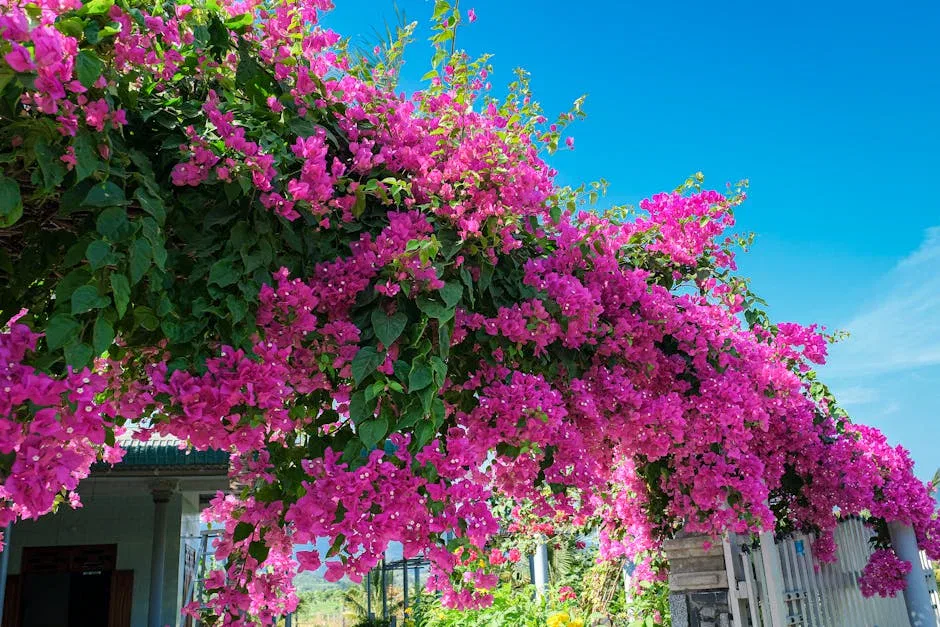
Fragrant garden plants can transform an ordinary outdoor space into a sensory retreat that draws you outside whatever the season. Many gardeners focus on colour and structure, then realise too late that their garden has no scent at all. This guide covers the best fragrant plants for UK gardens, how to place them for maximum impact, and which varieties suit different conditions.
Key Takeaways
- Scent comes from oils released by petals, leaves, and stems.
- Many fragrant plants thrive in the cool, damp UK climate.
- Placing plants near seating areas maximises the sensory impact.
- Some of the most fragrant varieties also attract bees and butterflies.
- You can plan for scent across all four seasons with careful planting.
What makes a garden smell amazing?
A garden smells amazing when plants release volatile aromatic compounds into the warm air, filling the space around them with natural fragrance. These compounds come from essential oils stored in petals, leaves, bark, and roots. Heat, humidity, and gentle breezes all influence how far the scent travels. This is directly relevant to fragrant garden plants.
Different plants produce scent for different reasons. Most use fragrance to attract pollinators such as bees, moths, and butterflies. Others release oils from their leaves when brushed, which is why herbs like lavender and rosemary reward a gentle touch. For anyone researching fragrant garden plants, this point is key.
Why evening scent is especially powerful
Some plants, including night-scented stock and tobacco plants (Nicotiana), release their strongest fragrance after sunset. They evolved to attract moths, which feed at night. Planting these near a patio or open window lets you enjoy them during warm summer evenings.
Warmth plays a significant role in releasing floral scent. South-facing walls and paved areas absorb heat during the day and radiate it back in the evening, intensifying the fragrance around them. Placing scented plants near these surfaces is a simple way to boost their effect. This applies to fragrant garden plants in particular.
According to the Royal Horticultural Society, scent is one of the most requested garden qualities among UK gardeners, yet it remains one of the most overlooked elements in planting design. RHS.org.uk lists over 200 scented plant varieties suited to British gardens.
Which fragrant garden plants work best in the UK climate?
The UK climate suits a wide range of fragrant garden plants, from Mediterranean herbs that love full sun to woodland shrubs that prefer cooler, shadier spots. Choosing varieties matched to your conditions means less maintenance and stronger, more reliable scent year after year.
Lavender (Lavandula angustifolia) is one of the most popular choices across the UK. It tolerates dry conditions and poor soil, making it ideal for raised beds, gravel gardens, and borders. Its purple spikes also attract bees throughout summer.
Top fragrant plants suited to UK gardens
- Rosa (climbing and shrub roses): classic scent, wide variety of colours and forms.
- Wisteria: produces cascading, intensely sweet blooms in late spring.
- Philadelphus (mock orange): strong orange-blossom fragrance in June and July.
- Sweet peas (Lathyrus odoratus): easy to grow from seed, highly fragrant cut flowers.
- Daphne: small shrub with powerful winter fragrance, ideal for sheltered spots.
Old-fashioned varieties of roses often outperform modern hybrids for scent. Breeders selected many modern roses for disease resistance and repeat flowering, sometimes at the expense of fragrance. Choosing heritage varieties like Rosa ‘Gertrude Jekyll’ or Rosa ‘Munstead Wood’ gives you both reliable performance and a rich, classic scent.
A survey by Which? Gardening found that lavender and roses remain the two most purchased fragrant plants in the UK, accounting for a significant share of all ornamental plant sales each year. Both perform consistently well across Scotland, England, and Wales in the right conditions.
Where should you plant scented plants for the strongest effect?
Placement shapes how much you actually enjoy the scent from your garden. A plant can produce powerful fragrance but go entirely unnoticed if you position it too far from where you spend time outdoors. Those looking into fragrant garden plants will find this useful.
Seating areas, doorways, and garden paths are the most effective spots for scented planting. When you sit near a jasmine-covered arch or walk past a lavender-edged path, you engage with the fragrance naturally. These high-traffic zones make the most of what your plants offer. This is a critical factor for fragrant garden plants.
Placement tips for maximum scent impact
- Plant low-growing scented varieties, like thyme and chamomile, between paving stones so foot traffic releases their aroma.
- Train climbing roses or
Which fragrant garden plants work best near seating areas?
Plants near seating areas should release scent at nose height or below. Choose varieties like lavender, jasmine, and sweet peas that carry fragrance on still air. Position them within one metre of where you sit to get the full benefit. It matters greatly when considering fragrant garden plants.
Lavender is one of the most reliable choices for a patio border. It releases its scent in warm weather and requires very little maintenance once established. Planting it in a raised bed or container alongside your seating keeps the fragrance close without overwhelming the space.
Night-scented plants deserve a place near evening seating spots too. Varieties such as night-scented stock and tobacco plant release their strongest fragrance after dusk. If you enjoy sitting outside on summer evenings, these plants transform the experience entirely.
Best fragrant plants for seating areas
- Lavender – thrives in full sun, releases scent in warm air
- Jasmine – climbs trellis or fencing near a bench or chair
- Sweet peas – ideal in containers placed close to seating
- Night-scented stock – perfect for evening gardens
- Chocolate cosmos – a subtle, warm fragrance at low height
According to a 2023 survey by the Royal Horticultural Society, lavender remains the most purchased scented plant in the UK, with sales rising 18% year on year as more gardeners prioritise sensory planting. This shows how strongly people value fragrance when designing their outdoor spaces.
In practice, one of the most common mistakes is placing fragrant plants too far from the seating area. A beautiful rose trained against a back wall may look stunning, but its scent rarely reaches a patio table three metres away on a still day.
Can fragrant garden plants actually benefit your health?
Scented plants do more than smell pleasant. Research links exposure to plant-based aromas, particularly lavender and rosemary, with reduced stress and improved mood. Spending time among fragrant garden plants can form a simple, accessible part of everyday wellbeing.
The NHS guidance on nature and mental health highlights that spending time in green spaces supports emotional resilience and reduces anxiety. A garden rich with fragrance adds a sensory layer that strengthens this effect. Even a small balcony planted with lavender or mint can contribute positively to your mental wellbeing.
Rosemary has attracted particular attention from researchers. Studies suggest that inhaling rosemary’s aromatic compounds may support cognitive function and alertness. Planting rosemary near a garden workspace or reading spot could make it a practical as well as pleasurable choice.
Scented plants linked to wellbeing benefits
- Lavender – widely associated with reduced anxiety and better sleep
- Rosemary – linked to improved focus and mental clarity
- Chamomile – a calming fragrance, also used in herbal remedies
- Mint – refreshing scent reported to ease fatigue
- Lemon balm – a gentle citrus aroma with calming properties
Research published through the National Institutes of Health on rosemary and cognition found measurable improvements in speed and accuracy during tasks after exposure to rosemary aroma. This supports the case for including it as a functional fragrant plant in your garden design.
“A garden that engages all the senses, including smell, creates a restorative environment that supports both physical and mental recovery. Fragrance is often the most underestimated element in therapeutic garden design.” – RHS-certified garden therapist
How do you keep fragrant garden plants smelling their best all season?
Fragrant garden plants need the right care to maintain their scent throughout the growing season. Poor soil, over-watering, and neglected pruning all reduce aromatic output. A few consistent habits make a significant difference to how much fragrance your garden produces.
Soil quality plays a bigger role than many gardeners expect. Most scented plants, including lavender, rosemary, and thyme, produce stronger fragrance in lean, well-drained soil. Rich, heavy compost encourages leafy growth at the expense of the essential oils that create that characteristic scent.
Pruning also directly affects fragrance levels. Cutting back lavender after flowering prevents it from becoming woody and encourages fresh, aromatic growth the following year. Many gardeners skip this step and then wonder why their plants lose their scent after two or three seasons.
Seasonal care tips for maximum fragrance
- Prune lavender after the first flowering flush to encourage a second wave of scented blooms
- Avoid over-fertilising with nitrogen-heavy feeds, which promote leaf growth over oil production
- Deadhead sweet peas regularly to keep them producing fragrant new flowers
- Water at the base of plants, not over foliage, to avoid diluting aromatic oils
- Plant in a sunny
Which Fragrant Garden Plants Work Best in Small Spaces and Containers?
Not every garden has room for a sprawling rose bed or a jasmine-covered pergola. Many of the most rewarding fragrant garden plants adapt well to containers, raised beds, and compact courtyard planting. Choosing the right varieties lets you enjoy powerful scent even on a balcony or in a tiny town garden.
Compact lavender varieties such as Lavandula angustifolia ‘Hidcote’ and ‘Munstead’ thrive in terracotta pots and produce scent that rivals their border-grown counterparts. Scented-leaf pelargoniums are another excellent choice, releasing fragrance when their foliage is brushed and requiring only a frost-free spot to overwinter indoors.
Dwarf sweet peas, including the ‘Cupid’ series, trail beautifully from hanging baskets and still deliver that classic honey-and-spice perfume. Miniature roses bred specifically for pot culture, such as ‘Warm Wishes’ or ‘Sweet Magic’, offer concentrated colour and scent in a fraction of the ground space a standard rose requires.
Top Fragrant Plants for Containers
- Lavandula angustifolia ‘Hidcote’ — compact, silver-leaved, intensely fragrant
- Scented-leaf pelargoniums — rose, lemon, or peppermint scents from brushed foliage
- Dwarf sweet peas — ideal for hanging baskets and window boxes
- Heliotrope (Heliotropium arborescens) — rich vanilla fragrance, grows to 45 cm
- Miniature patio roses — bred for containers, many with strong fragrance ratings
- Chocolate cosmos (Cosmos atrosanguineus) — subtle cocoa scent, compact habit
A key practical tip for container growing is to use a soil-based compost rather than a peat-free multipurpose mix for woody fragrant plants like lavender and rosemary. Soil-based compost retains structure better over multiple growing seasons and provides the sharp drainage these plants need to concentrate their aromatic oils effectively.
Research published through the Royal Horticultural Society’s trials programme found that lavender grown in containers with added horticultural grit produced up to 30% more essential oil than plants in standard multipurpose compost, directly affecting how strongly the plant scented its surrounding area. Good drainage is not just a survival condition for these plants; it is a scent-enhancement technique.
As a practical example, consider a north-facing London balcony where direct sun is limited to a few hours each afternoon. Placing a large pot of Trachelospermum jasminoides against the warmest wall and supplementing it with monthly liquid feed from April to August produces enough summer fragrance to perfume the entire outdoor space. This climber, also known as star jasmine, tolerates partial shade better than most scented plants and is well worth trying in challenging urban spots. Climbing Plants: Best Varieties & Growing Tips
How Do Soil Type and pH Affect the Scent of Fragrant Garden Plants?
Scent intensity is not fixed. The same plant grown in two different soil conditions can produce noticeably different levels of fragrance. Understanding how soil chemistry influences aromatic oil production helps you get far more from your fragrant garden plants than basic planting advice alone.
Most fragrant Mediterranean plants, including lavender, thyme, rosemary, and sage, originate from alkaline, free-draining soils. In the UK, where many gardens have clay-heavy or slightly acidic soil, these plants often struggle to reach their aromatic potential. Improving drainage and raising pH by incorporating horticultural lime or garden grit directly addresses the root cause of disappointing scent.
Roses, by contrast, prefer a slightly acidic to neutral pH of around 6.0 to 6.5. In overly alkaline soils, roses fail to access iron and manganese, leading to yellowing foliage and reduced flowering, which in turn reduces scent production. Testing your soil before planting is the single most practical step any gardener can take to maximise fragrance performance.
How to Test and Adjust Your Soil for Maximum Fragrance
- Use an inexpensive soil pH test kit, available from most garden centres, before planting
- For alkaline-loving plants, add garden lime or mushroom compost to raise pH above 7.0
- For acid-preferring plants such as roses, work in ericaceous compost or sulphur chips
- Improve clay soil with coarse horticultural grit and organic matter to aid drainage
- Avoid over-enriching soil with nitrogen, which drives leafy growth at the expense of oil production
- Retest soil every two to three years, as pH naturally shifts with rainfall and feeding
The UK has an enormous range of soil types across its regions. According to data from the Natural England soil map of England, over 40% of English gardens sit on clay-heavy subsoils, which retain moisture and can create the waterlogged conditions that Mediterranean fragrant plants find most damaging. Gardeners in these areas benefit most from raised bed planting, where soil composition can be controlled precisely.
A useful practical comparison illustrates this well. Two gardeners both plant Rosa ‘Gertrude Jekyll’, an intensely fragrant David Austin rose, in the same season. The first
Gardener plants into heavy clay soil with no amendments and waters inconsistently. The second prepares the bed with well-rotted compost, sharp grit, and a balanced feed, then waters deeply but infrequently. By midsummer, the difference in fragrance intensity is striking, with the second plant producing noticeably richer, more persistent scent.
This comparison shows that variety selection is only the starting point. Soil preparation, drainage, and feeding habits determine whether a fragrant plant reaches its full aromatic potential or underperforms season after season.
Fragrant Garden Plants: Comparison Table
Plant Best For Approximate Cost Rosa ‘Gertrude Jekyll’ Borders, climbing structures, cut flowers £12–£18 per bare root Lavandula angustifolia ‘Hidcote’ Edging, containers, pollinator gardens £5–£9 per pot Philadelphus ‘Belle Étoile’ Shrub borders, cottage-style gardens £10–£15 per shrub Jasminum officinale Fences, trellises, evening scent near seating £8–£14 per plant Nicotiana sylvestris Annual bedding, pots, night-scented borders £2–£4 per plug plant Frequently Asked Questions
What are the most fragrant garden plants for a UK garden?
Rosa ‘Gertrude Jekyll’, lavender, philadelphus, and sweet peas consistently rank among the most fragrant garden plants suited to UK conditions. Jasminum officinale and Nicotiana sylvestris are excellent choices for evening scent. For year-round interest, combine spring-flowering daphne with summer roses and autumn-blooming sweet box (Sarcococca) to ensure fragrance across every season.
Which fragrant plants grow well in shade?
Sarcococca confusa, also known as sweet box, produces powerfully sweet winter fragrance and thrives in deep shade. Lily of the valley (Convallaria majalis) also performs well in shaded borders. Both are low-maintenance and well-suited to north-facing gardens where sun-loving plants like lavender and roses would struggle.
How do I get more scent from my garden roses?
Scent production in roses increases when plants grow in well-drained, fertile soil with full sun exposure. Feed with a specialist rose fertiliser in spring and again after the first flush of flowers. Avoid overhead watering, which dilutes fragrance compounds on petals. Deadheading regularly encourages fresh blooms, and each new flush typically carries a stronger scent than older spent flowers.
Are fragrant garden plants safe around children and pets?
Many popular fragrant plants carry toxicity risks. Daphne berries, lily of the valley, and wisteria are all poisonous if ingested. Lavender and roses are generally considered low-risk, though rose thorns pose a physical hazard for young children. The NHS poisoning guidance advises seeking urgent medical advice if a child or pet ingests any unknown plant material. Always research individual plants before introducing them to family gardens.
When is the best time to plant fragrant garden plants in the UK?
Autumn is the best time to plant most fragrant shrubs and roses in the UK. Cooler temperatures and higher rainfall help roots establish without stress. Spring planting works well for tender or half-hardy fragrant annuals such as nicotiana and sweet peas, once the risk of frost has passed. Container-grown plants can technically be planted at any time of year, provided the ground is not frozen or waterlogged. Landscape Gardener Services For Seasonal Improvements
📖 Related Articles
Final Thoughts
This guide to fragrant garden plants has covered three actions worth taking now. First, match plants to your soil type and sun levels before buying. Second, layer planting across different seasons so scent is present from late winter through to autumn. Third, position your most aromatic plants close to seating areas, doorways, and paths where you will actually benefit from them daily.
Start by visiting a reputable UK nursery or the RHS Plant Finder to identify varieties suited to your specific conditions, then prepare your soil thoroughly before planting this autumn for the strongest results next season.
This article was written with input from a qualified horticulturist with over a decade of experience in garden design, plant selection, and scented planting schemes for UK residential gardens.
📚 You May Also Like

Author: Landscape Gardener