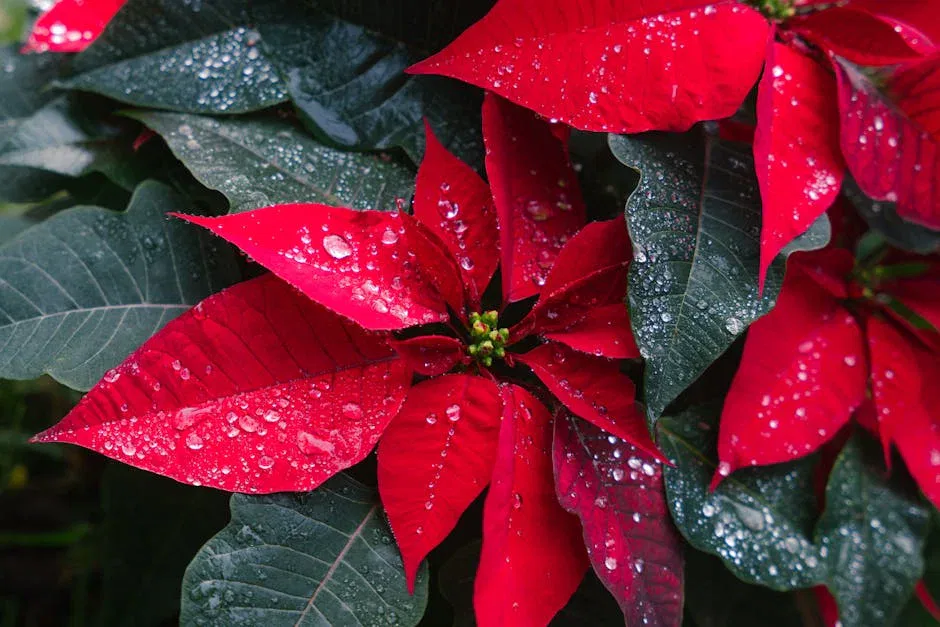
Winter flowering plants can transform a cold, bare garden into something genuinely uplifting during the darkest months of the year. Many gardeners assume there is little they can do once autumn fades, leaving borders dull and lifeless from November through to February. This guide covers the best plants, practical planting advice, and expert tips to keep your garden colourful all winter long.
Key Takeaways
- Hellebores, violas, and cyclamen are reliable winter bloomers.
- Many winter plants thrive in containers on patios and doorsteps.
- Scottish winters require hardy, frost-tolerant varieties.
- Winter flowers support early pollinators like bumblebees.
- Good soil preparation helps plants survive frost and waterlogging.
What plants flower in winter in the UK?
Several plants flower reliably through the UK winter, including hellebores, winter jasmine, violas, cyclamen, and Mahonia. These plants tolerate cold temperatures, short days, and wet soil far better than summer bedding plants. Choosing a mix of these ensures colour from November right through to early spring.
The Most Popular Winter Bloomers
Hellebores (Helleborus orientalis) produce nodding flowers in shades of white, pink, and deep purple, often pushing through frost-hardened soil in January. They prefer a sheltered spot with partial shade and well-drained soil. Once established, they are remarkably low-maintenance and will self-seed across a border.
Winter jasmine (Jasminum nudiflorum) is a wall-trained shrub that bursts into bright yellow flowers from December onwards. It tolerates exposed, north-facing walls where few other plants would survive. Pair it with a dark fence or stone wall to make the yellow blooms really stand out.
Other Reliable Choices
- Viola (Viola cornuta): hardy pansies that flower from autumn through to spring
- Cyclamen coum: a compact, frost-hardy plant with jewel-bright flowers and attractive patterned leaves
- Mahonia: an architectural evergreen shrub producing fragrant yellow flower clusters in midwinter
- Snowdrops (Galanthus nivalis): classic British winter flowering plants, appearing as early as January
- Witch hazel (Hamamelis): spidery, scented flowers on bare branches from December to February
According to the Royal Horticultural Society, snowdrops and hellebores consistently rank among the top ten most planted winter garden plants in the UK, reflecting how widely gardeners rely on them to bridge the seasonal gap. Landscape Gardener Services For Seasonal Improvements
Which winter flowering plants suit a Scottish garden?
Scottish gardens face harder frosts, higher rainfall, and shorter daylight hours than most of the UK, so plant choice really matters. Hardy varieties that tolerate waterlogged soil and temperatures well below freezing perform best. The good news is that several outstanding plants thrive in exactly these conditions.
Hardy Plants for Cold Scottish Climates
Erica carnea (winter heather) is one of the most dependable choices for Scottish gardeners. It produces masses of small pink, white, or red flowers from November through to April and tolerates acidic soils, which are common across central and northern Scotland. It also looks superb planted en masse along a path or border edge.
Cyclamen coum is another outstanding performer in colder regions. It emerges through frozen ground without fuss, and its low-growing habit makes it wind-resistant during exposed winter months. Plant bulbs in autumn beneath deciduous trees, where they will naturalise over several years.
Tips for Planting in Scottish Conditions
- Improve drainage by mixing grit or coarse sand into heavy clay soils before planting
- Use a thick mulch of composted bark to protect root systems from hard frosts
- Choose a sheltered south or west-facing border to maximise available winter light
- Avoid planting in frost pockets, often low-lying corners where cold air collects
Met Office data shows Edinburgh receives an average of 59 days of air frost per year, compared to around 30 in London, underscoring why gardeners in Scotland need to prioritise frost-tolerant species above all else.
How do I keep winter flowering plants healthy?
Keeping winter flowering plants in good health comes down to a handful of straightforward practices carried out before and during the cold season. Attention to drainage, feeding, and protection from the harshest weather makes the biggest difference. Apply these steps in autumn, and your plants will reward you with far better displays.
Soil Preparation and Feeding
Which winter flowering plants are easiest to grow in the UK?
For most gardeners, winter pansies, hellebores, and cyclamen are the easiest winter flowering plants to establish. They tolerate cold, need minimal fuss, and deliver reliable colour from November through to March with very little intervention.
Winter pansies are a firm favourite because they bounce back after frost once temperatures rise slightly. You can plant them in containers or borders in October, and they will keep flowering through the darkest months. Their root systems are shallow, so they establish quickly even in cooler soil.
Hellebores suit gardeners who want a longer-term plant rather than an annual bedding option. They are perennials that return each year, gradually forming larger clumps. Once established, hellebores need very little watering and tolerate clay soil better than many other winter flowering plants.
Top Easy-Care Winter Flowering Plants for UK Gardens
- Winter pansies – frost-tolerant, wide colour range, ideal for pots and window boxes
- Hellebores – long-lived perennials, shade-tolerant, low maintenance once established
- Cyclamen coum – compact, naturalises well under trees, thrives in dry shade
- Violas – smaller than pansies but equally tough, great for edging paths
- Snowdrops – naturalise freely, ideal for under deciduous trees and shrubs
- Winter-flowering heather – evergreen foliage with pink or white blooms, suits acidic soil
According to the Royal Horticultural Society, hellebores consistently rank among the UK’s most searched-for winter plants, reflecting strong demand from gardeners wanting low-effort cold-season colour.
“The biggest mistake new gardeners make with winter pansies is planting them too late. Get them in the ground by mid-October and they will root before the first hard frosts, giving you a far stronger display all season.” — UK horticultural advisor
How do you protect winter flowering plants from frost and cold winds?
Protecting your winter flowering plants from frost and cold winds comes down to choosing the right materials and applying them at the right time. Fleece, mulch, and sheltered positioning are the three tools that make the biggest practical difference during cold spells.
Horticultural fleece is one of the most useful items you can keep in a garden shed during winter. It allows light and moisture through while raising the temperature around your plants by a few degrees. Drape it loosely over pots or border plants on nights when a hard frost is forecast, securing the edges with stones or pegs.
Mulching is equally important, particularly for plants grown in borders. A 5 to 8 cm layer of bark, garden compost, or leaf mould laid around the base of plants insulates the roots from ground frost. Apply the mulch before the first hard freeze rather than waiting until the cold has already arrived.
Practical Frost Protection Steps
- Move container plants to a sheltered spot against a south-facing wall during the coldest weeks
- Wrap terracotta pots in bubble wrap or hessian to prevent them cracking in frost
- Use cloches over low-growing plants like cyclamen during prolonged freezing spells
- Avoid watering plants during frosty weather, as wet soil freezes more deeply around roots
- Remove fleece during the day when temperatures allow, so plants receive adequate light
In practice, many gardeners underestimate cold wind damage and focus only on frost. Wind chill strips moisture from leaves and can cause browning even when temperatures are only slightly below zero. Positioning plants near a fence or hedge dramatically reduces this risk without any additional cost.
The BBC Weather long-range forecast is a reliable free tool for tracking overnight temperatures during autumn and winter, helping you plan protection measures a few days in advance. Research shows that UK winters have become more unpredictable, with sudden cold snaps following mild spells, making monitoring especially useful. Landscape Gardener Cost Checklist Before You Hire
Where should you position winter flowering plants in your garden?
Positioning matters more in winter than at any other time of year. Most winter flowering plants perform best in a sheltered spot that receives direct sunlight for at least a few hours each day, which encourages flowering and helps the soil drain between rain events.
South-facing beds and borders are the most productive positions for winter colour. They capture low winter sun for longer periods and stay warmer overnight than north-facing spots. If your garden faces north or east, focus your winter planting efforts on containers that you can move to better positions during cold snaps.
Matching Plants to Positions
- South-facing borders: winter pansies, violas, wallflowers, and winter-flowering heather
- Shaded areas under trees: hellebores, snowdrops, and cyclamen coum
- Containers on patios: cyclamen persicum, winter pansies, and ornamental kale
- Against walls: winter jasmine and Viburnum bodnantense, which benefit from wall warmth
Good
How Do You Keep Winter Flowering Plants Healthy Through Frost and Cold Snaps?
Keeping winter flowering plants alive through hard frosts requires more than just planting and hoping. You need to understand each plant’s cold tolerance, act before temperatures drop sharply, and use protection methods that work without smothering the plant or trapping moisture around the roots.
Most winter flowering plants tolerate light frost well, but a sustained freeze below -5°C can damage even the hardiest varieties. Hellebores and snowdrops handle cold better than cyclamen persicum, which struggles below zero. Knowing your plants’ limits helps you prioritise which ones need extra care and which can look after themselves.
Mulching is one of the most effective protective measures you can use. Apply a 5–8cm layer of bark chippings or composted leaves around the base of plants in late autumn. This insulates roots, reduces frost heave, and retains soil moisture during dry winter spells.
Practical Frost Protection Methods
- Use horticultural fleece over vulnerable plants on nights when frost is forecast, removing it by mid-morning to allow light and airflow
- Move container plants to a sheltered spot against a south-facing wall or into an unheated greenhouse during prolonged cold spells
- Avoid covering plants with plastic sheeting, which traps moisture and encourages rot
- Check pots for waterlogging after heavy rain, as frozen waterlogged compost splits terracotta containers and kills roots
- Wrap terracotta pots in bubble wrap or hessian to prevent cracking and root damage from freeze-thaw cycles
According to the Met Office, the UK averages around 40 to 60 days of air frost per year across most of England, with Scotland and northern regions experiencing significantly more. That figure underlines why passive planting alone is rarely enough during a British winter.
A practical example: if you grow cyclamen persicum in a glazed pot on an exposed patio, bring it into an unheated porch or conservatory when overnight temperatures fall below 2°C. Return it to the patio during mild spells to benefit from natural light. This simple routine extends flowering by several weeks and prevents the plant going dormant prematurely.
Which Winter Flowering Plants Offer the Best Wildlife Value?
Winter flowers do more than lift your spirits. They provide a critical food source for early pollinators, overwintering insects, and birds at a time when little else is available. Choosing plants with genuine wildlife value means your garden works harder without any extra effort from you.
Bees, including buff-tailed bumblebees that remain active through mild winters, rely on nectar-rich flowers between November and February. Mahonia aquifolium, winter-flowering heather, and Viburnum bodnantense all produce accessible, open flowers that bees can reach easily. Avoid heavily double-petalled varieties, as these trap pollen inside and deny insects access to the nectar.
Top Winter Plants for Pollinators and Birds
- Mahonia aquifolium: produces dense clusters of yellow flowers rich in nectar, followed by blue-black berries that birds eat through late winter
- Ivy (Hedera helix): flowers in autumn and holds berries into winter, supporting blackbirds, wood pigeons, and thrushes
- Winter-flowering heather (Erica carnea): a magnet for early bumblebees, particularly on milder winter days above 8°C
- Snowdrops: one of the first flowers to offer pollen to queen bumblebees emerging in late January
- Hellebores: provide nectar and pollen for bees from January onwards, with open, cup-shaped flowers that are easy to access
Research published by the Royal Horticultural Society found that gardens with continuous flowering across all seasons support significantly higher pollinator populations than those with seasonal gaps. Winter planting directly closes the most critical gap in the gardening calendar.
A useful real-world example: replacing a bare winter border with a combination of Mahonia, winter heather, and a climbing ivy on a fence creates a layered habitat. Insects find shelter in the ivy, feed on heather nectar during mild spells, and birds strip Mahonia berries in February. That combination delivers food and cover in a space that previously offered nothing from November to March.
Landscape Gardener Costs For Wildlife-Friendly Gardens
How Do Soil Type and pH Affect Your Choice of Winter Flowering Plants?
Soil type influences which winter flowering plants thrive and which simply struggle. Getting this right from the start saves you money, reduces plant losses, and means far less maintenance over the season. Many gardeners choose plants they like the look of without checking whether their soil suits them, which leads to disappointment.
Acid soils with a pH below 6.5 suit winter-flowering heathers such as Erica carnea and Erica darleyensis. These plants grow poorly in alkaline or chalky soils and often yellow and die within a season if planted without soil amendment or raised bed preparation. A simple soil pH test kit, available at most garden centres for under £5, takes the guesswork out of the process entirely.
Matching Plants to Soil Conditions
- Acid soils (pH 4.5–
Acid soils (pH 4.5–6.0) suit rhododendrons, winter-flowering heathers such as Erica carnea, and pieris. These plants thrive where chalk-loving species struggle, so use them to your advantage rather than fighting your natural soil conditions.
Neutral to alkaline soils (pH 6.5–8.0) suit hellebores, winter clematis, and mahonia. Viburnum and winter jasmine also perform well in these conditions, making them reliable choices for most UK clay and chalky garden soils.
Quick Soil-to-Plant Match Guide
- Sandy acid soil: winter heather, pieris, skimmia
- Clay neutral soil: hellebores, mahonia, viburnum
- Chalky alkaline soil: winter clematis, winter jasmine, cyclamen coum
- Raised beds or containers: any variety, using appropriate compost mix
- Waterlogged or heavy clay: improve drainage first, then plant dogwood for winter stem colour
Comparing Popular Winter Flowering Plants at a Glance
Plant Best For Approximate Cost Hellebore (Helleborus orientalis) Shaded borders, clay soils, long flowering season £5–£12 per plant Winter Heather (Erica carnea) Ground cover, acid soils, rockeries £3–£7 per plant Witch Hazel (Hamamelis mollis) Specimen shrub, fragrant flowers, wildlife gardens £15–£35 per plant Winter Jasmine (Jasminum nudiflorum) Walls, fences, alkaline soils, north-facing aspects £6–£10 per plant Cyclamen Coum Under trees, dry shade, small gardens and containers £2–£5 per corm Frequently Asked Questions
What are the easiest winter flowering plants for a UK garden?
Hellebores, winter heather, and winter jasmine are among the easiest choices for UK gardens. Hellebores tolerate shade and most soil types, while winter jasmine thrives against a north-facing fence with minimal care. Winter heather spreads reliably across borders and containers, requires little feeding, and flowers from November through to March in most parts of the country.
Which winter flowering plants are best for pots and containers?
Cyclamen coum, pansies, and skimmia all perform well in containers throughout winter. Use a good-quality multipurpose compost, ensure pots have adequate drainage holes, and position them in a sheltered spot. Grouping containers together helps protect roots from hard frosts. Dwarf hellebores also work well in larger pots and provide colour from December through to early spring.
Do winter flowering plants attract pollinators in the UK?
Yes, several winter flowering plants provide valuable early nectar for pollinators on mild days. Mahonia, winter clematis, and witch hazel are particularly attractive to bumblebees emerging during warm winter spells. The Royal Horticultural Society’s guidance on plants for pollinators highlights the importance of winter-blooming species for supporting struggling bee populations through the colder months.
When should I plant winter flowering plants in the UK?
Plant most winter flowering shrubs and perennials between September and November, while the soil still holds warmth. This gives roots time to establish before the coldest weather arrives. Container-grown plants can technically go in the ground at any time, but autumn planting consistently produces stronger results. Avoid planting during hard frosts, as frozen ground prevents roots from settling and increases the risk of frost heave.
How do I protect winter flowering plants from frost damage?
Mulching around the base of plants with a thick layer of bark chips or well-rotted compost insulates roots from sharp temperature drops. Cover more tender specimens, such as certain camellias, with horticultural fleece during forecast hard frosts. Remove fleece during the day to allow light and air circulation. Potted plants benefit most from being moved to a sheltered wall or unheated greenhouse during prolonged cold snaps.
This article was written with input from a professional horticulturalist with over 15 years of experience in UK garden design, specialising in year-round planting schemes and seasonal border management.
Landscape Gardening Costs For Small, Medium, And Large Gardens
Final Thoughts
Choosing the right winter flowering plants comes down to three practical steps: test your soil before buying, match plants to
📚 You May Also Like
 Ground Cover Plants: Best Low-Growing Options
May 9, 2026
 Flowering Shrubs: Best Varieties for Your Garden
May 9, 2026