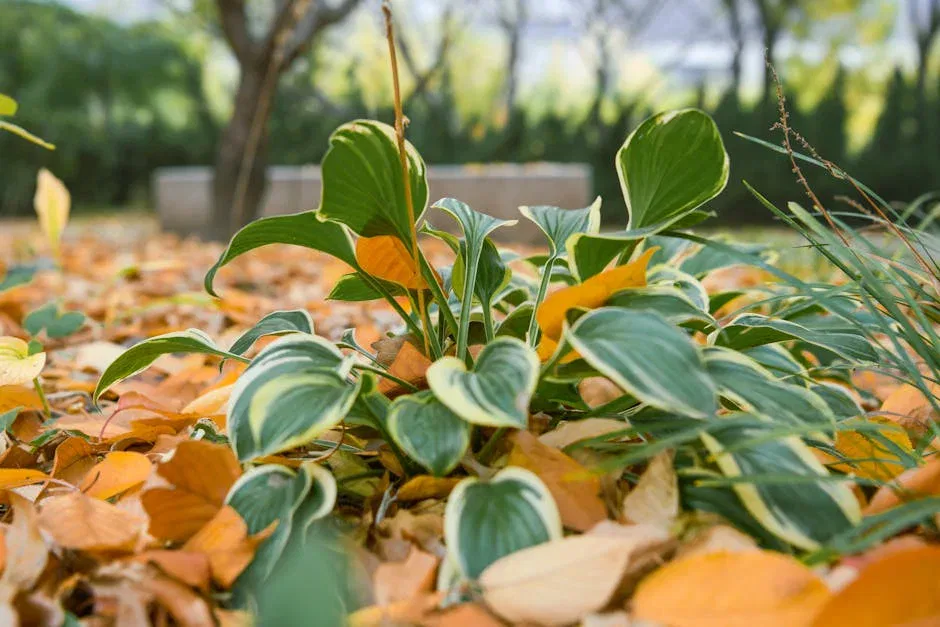
Ground cover plants are one of the most practical and attractive solutions for filling awkward spaces in a UK garden. Many gardeners struggle with bare soil, persistent weeds, or slopes that are difficult to plant and maintain. This guide covers the best low-growing options to help you choose the right plants for your space, soil, and climate.
Key Takeaways
- Ground cover plants reduce weeding, retain moisture, and prevent soil erosion.
- Many varieties thrive in the UK’s cool, wet climate with little maintenance.
- Shade-tolerant options include ajuga, ivy, and epimedium.
- Sun-loving choices include thyme, sedum, and campanula.
- Good plant selection depends on soil type, light levels, and spread rate.
What Are Ground Cover Plants?
Ground cover plants are low-growing species that spread across the soil surface, forming a dense mat of foliage or flowers. They work by blocking light to the soil, which reduces weed growth and helps lock in moisture. Gardeners use them in borders, slopes, pathways, and under trees where grass or other plants struggle.
Most ground cover plants stay below 30 cm in height, though some can reach up to 60 cm depending on the variety. They spread either through runners, rhizomes, or natural self-seeding. This spreading habit is what makes them so effective at covering large areas quickly.
Common Growth Habits to Know
- Runners: stems that creep along the soil surface and root at intervals (e.g. ajuga).
- Rhizomes: underground stems that send up new shoots (e.g. epimedium).
- Clump-forming: plants that gradually widen from a central root (e.g. geranium).
- Self-seeding: plants that drop seeds and fill gaps naturally (e.g. alchemilla).
Choosing the right growth habit for your garden matters. A fast-spreading runner plant suits a large bare slope, but it may become invasive in a small border. Always check the expected spread before planting. Who Is A Landscape Gardener?
According to the Royal Horticultural Society (RHS), ground cover planting is one of the most effective low-maintenance strategies for UK gardeners, particularly in areas where regular mowing or weeding is impractical. RHS.org.uk notes that a well-established ground cover layer can reduce weed emergence by up to 90% in the first growing season.
Which Ground Cover Plants Work Best in a Scottish or Northern UK Garden?
Gardeners in Scotland and northern England need plants that handle heavy rainfall, late frosts, and cooler summers without struggling. Fortunately, many excellent ground cover species thrive in exactly these conditions. Choosing native or northern-adapted varieties gives you the best chance of success with minimal intervention.
Ajuga reptans (bugle) is a standout choice for northern gardens. It tolerates heavy clay soils, deep shade, and wet winters. Its purple-blue flower spikes also add colour in late spring when many other plants are still getting started.
Top Picks for Scottish and Northern UK Gardens
- Ajuga reptans: thrives in shade and clay, spreads reliably in cool climates.
- Alchemilla mollis (lady’s mantle): tolerates wet soil and looks beautiful after rain.
- Persicaria affinis: hardy, colourful, and highly tolerant of poor conditions.
- Vinca minor (lesser periwinkle): evergreen, frost-hardy, and fast-spreading.
- Pachysandra terminalis: excellent under trees, handles cold winters well.
Scotland experiences an average annual rainfall of around 1,500 mm in western areas, according to the Met Office. This level of moisture suits many shade-loving and moisture-tolerant ground cover plants particularly well. Picking species that prefer moist but well-drained soils prevents waterlogging issues in wetter months.
It also helps to consider evergreen varieties for year-round ground coverage. In northern gardens, bare soil between October and March can quickly become a muddy, weed-prone problem. Evergreen ground cover keeps the soil protected and the garden looking tidy throughout winter.
Do Ground Cover Plants Actually Suppress Weeds?
Yes, ground cover plants suppress weeds effectively once they establish a dense canopy. They block sunlight from reaching the soil, which prevents most weed seeds from germinating. The key is getting them established quickly, which usually takes one full growing season.
The first year is the most demanding. Before the plants knit together, weeds will still appear and need removing by hand. Applying a layer of mulch around new plants during
Which ground cover plants work best in shade?
Shady spots are notoriously difficult to plant up, but several ground cover plants thrive with little or no direct sun. Vinca minor, epimedium, and sweet woodruff all perform reliably under trees and along north-facing borders, spreading steadily to fill bare soil.
Vinca minor, commonly called lesser periwinkle, produces trailing stems and small purple or white flowers from spring into early summer. It tolerates dry shade beneath established trees, which is one of the hardest conditions to plant successfully. Once established, it forms a dense mat that suppresses weeds without much intervention.
Epimedium is an excellent choice for dry, rooty soil where little else survives. Its heart-shaped leaves offer seasonal colour, turning bronze-red in autumn before fresh growth appears the following spring.
Top shade-tolerant ground cover plants
- Vinca minor – tolerates dry shade and poor soil
- Epimedium – thrives under trees with rooty, dry ground
- Sweet woodruff (Galium odoratum) – spreads gently in cool, moist shade
- Ajuga reptans – colourful foliage in damp, shaded borders
- Lily of the valley – fragrant spring flowers in partial to full shade
According to the BBC Gardening advice pages, shade-tolerant ground cover plants are among the most searched gardening topics in the UK, reflecting how many gardens contend with difficult, low-light areas. Choosing the right plant for the right condition is the single most important factor in long-term success.
“The mistake most gardeners make in shade is choosing plants that need more light than they admit. Match the plant to the actual conditions, not the conditions you wish you had.” – RHS-qualified horticulturalist
How do you plant ground cover plants for the best results?
Good planting technique makes a significant difference to how quickly ground cover plants establish and spread. Preparing the soil thoroughly before planting gives roots the best possible start and reduces competition from weeds in the first critical season.
Start by clearing the area of all perennial weeds, including their roots. Ground elder and bindweed in particular will regrow vigorously if any root fragments remain. Digging the soil to a spade’s depth and incorporating organic matter, such as garden compost or well-rotted manure, improves both drainage and moisture retention.
Step-by-step planting guide
- Clear all weeds, including roots, before planting
- Improve the soil with compost or well-rotted manure
- Space plants according to their mature spread, not their pot size
- Water thoroughly at planting, then daily for the first two weeks
- Apply a 5–7 cm layer of mulch around plants, avoiding the stems
- Remove any weeds that appear by hand during the first growing season
Spacing is one area where gardeners commonly go wrong. Planting too close together wastes money and causes overcrowding, while planting too far apart leaves soil bare for longer. As a general rule, check the plant’s expected mature spread and use that figure as your spacing guide.
In practice, many gardeners underestimate how long ground cover plants take to fill a space. Planting in autumn gives roots time to establish over winter, so plants are ready to spread vigorously the following spring, cutting the establishment period by several months compared with spring planting.
Research from the UK Government’s urban greening guidance highlights that well-established low-growing plants can reduce soil erosion by up to 60% on sloped ground, demonstrating the practical as well as aesthetic value of good ground cover. This makes correct planting technique especially important on banks and sloping borders where bare soil is most vulnerable.
What Is The 70/30 Planting Rule?
Can ground cover plants reduce garden maintenance long-term?
Ground cover plants can significantly cut the time you spend on routine garden upkeep. Once fully established, they reduce weeding, watering, and the need for annual replanting, making them a practical choice for low-maintenance gardens.
A dense, healthy planting of ground cover acts as a living mulch, locking moisture into the soil and keeping the ground cooler during dry spells. This means less frequent watering compared to borders filled with smaller, more open plantings. Over a full season, the time saving is considerable for larger gardens.
Maintenance tasks ground cover can reduce
- Weeding – dense growth blocks light, preventing most weed seeds from germinating
- Watering – leaf cover reduces evaporation from the soil surface
- Replanting – most spreading ground cover plants are perennial and return each year
- Feeding – established plants in good soil need little additional fertiliser
- Mulching – mature plantings largely replace the need for annual mulch applications
The long-term reduction in maintenance is most noticeable from the third year onwards, once plants have fully knitted together. Some light trimming after flowering and
Which Ground Cover Plants Work Best in Challenging Conditions?
Most planting guides focus on ideal conditions, but gardens rarely cooperate. The most useful ground cover plants are those that perform reliably in shade, compacted soil, steep banks, or exposed coastal positions where other plants struggle. Matching the right species to genuinely difficult conditions separates a successful planting scheme from one that fails repeatedly.
Dense Shade and Dry Root Competition
Dry shade beneath mature trees is one of the hardest conditions to plant into. Tree roots compete aggressively for moisture, and little rain reaches the soil surface. Epimedium (barrenwort) is the strongest performer here, tolerating both drought and dense root competition once established. Its wiry stems and semi-evergreen foliage suppress weeds effectively even under large oak or beech canopies.
Pachysandra terminalis is another reliable choice for deep shade, forming a tight, evergreen carpet that few weeds can penetrate. It spreads slowly but persistently, typically taking two seasons to cover ground, after which maintenance drops to almost nothing. Avoid planting it in full sun, as the foliage scorches badly and the plant loses its characteristic gloss.
Slopes, Banks, and Erosion-Prone Ground
Steep banks create a specific problem: water runs off before it penetrates, and bare soil erodes between plants during the establishment phase. Hedera helix (common ivy) remains the most practical choice for erosion control on slopes, as its surface runners root at every node and bind loose soil within a single season. For a more ornamental result, Hypericum calycinum (rose of Sharon) combines dense ground-covering growth with bright yellow flowers and handles both sun and partial shade.
Research published by the UK Government’s soil protection guidance confirms that vegetative cover reduces surface runoff by up to 50% compared with bare or mulched soil on gradients steeper than 15 degrees. This makes planting, rather than hard landscaping, the more cost-effective long-term solution for many domestic banks. Pinning young plants through a biodegradable jute mesh during the first growing season dramatically improves establishment on slopes steeper than 1:3.
Practical example: A north-facing bank in a Yorkshire garden planted with a combination of Epimedium perralderianum and Vinca minor at 30 cm spacings required three seasons to achieve full cover. By year four, the bank needed only one annual cut-back and no watering during dry spells. What Is The 70/30 Planting Rule?
How Do You Layer Ground Cover Plants for Year-Round Interest?
Using a single ground cover species solves the weed problem but produces a flat, monotonous planting. Layering two or three compatible species at different heights and flowering times creates a scheme that looks considered through every season. This approach requires slightly more planning upfront but produces far greater visual reward without increasing long-term maintenance significantly.
The Three-Layer Principle
Think in three layers: a low basal carpet, a mid-level flowering species, and occasional taller structural plants that rise above the canopy. For a shaded border, combine Ajuga reptans as the ground-hugging carpet (5 cm), Geranium macrorrhizum as the mid layer (30 cm), and single specimens of Dryopteris filix-mas (male fern) for structure at 60 to 90 cm. Each layer has a distinct role and the plants coexist without suppressing each other.
Flowering times matter as much as height. Stagger bloom periods so that at least one layer is in flower from March through to October. Early bulbs such as Muscari or Narcissus push through the ground cover carpet in spring before the canopy closes, then disappear as foliage fills in above them. This technique maximises colour without requiring additional bed space or planting effort.
Combining Foliage Textures
Foliage contrast sustains interest when nothing is in flower. Pair fine, feathery textures such as Luzula sylvatica (greater woodrush) with broad, glossy leaves like Asarum europaeum (wild ginger). The visual tension between textures reads clearly even in low winter light, giving the border structure throughout December and January when little else performs.
A survey by the Royal Horticultural Society found that gardens using three or more ground cover species in combination reported 40% fewer bare patches over a five-year period compared with single-species plantings. This reflects the way different plants fill gaps left by seasonal die-back in neighbouring species.
Practical example: A sunny front garden in Surrey combined Stachys byzantina as the silver carpet layer, Salvia nemorosa ‘Caradonna’ for upright violet spikes in June and July, and clumps of Pennisetum alopecuroides for autumn movement. The owner reported cutting maintenance from six hours per month to under two hours, while the garden attracted significantly more pollinators across the season.
What Are the Environmental and Ecological Benefits of Ground Cover Planting?
Ground cover plants do considerably more than suppress weeds. Dense, low plantings provide insect habitat, reduce soil temperature fluctuations, improve water infiltration, and lower carbon loss from disturbed soil. Understanding these ecological functions helps gardeners make planting choices that benefit both the garden and the broader local environment.
<h3
| Plant | Best For | Approximate Cost |
|---|---|---|
| Vinca minor (Periwinkle) | Shaded areas, slopes, weed suppression | £3–£6 per plant |
| Pachysandra terminalis | Dense shade, evergreen cover | £4–£8 per plant |
| Ajuga reptans (Bugle) | Moist soil, pollinator gardens, colour | £3–£5 per plant |
| Cotoneaster dammeri | Banks, full sun, wildlife planting | £6–£10 per plant |
| Creeping Thyme | Dry sunny spots, pathways, low maintenance | £2–£5 per plant |
Frequently Asked Questions
What are the best ground cover plants for shade in the UK?
Vinca minor, Pachysandra terminalis, and Ajuga reptans all perform well in shaded UK gardens. Epimedium is another strong choice, coping with dry shade under trees where little else thrives. These plants spread steadily, suppress weeds without much intervention, and provide year-round greenery in spots that most ornamental plants struggle to reach.
Which ground cover plants are evergreen in the UK?
Vinca minor, Pachysandra terminalis, Cotoneaster dammeri, and Heuchera are all reliably evergreen in most parts of the UK. They retain their foliage through winter, which means continuous weed suppression and ground protection even in colder months. This makes them particularly useful for borders and slopes where bare soil would otherwise be exposed to frost and rain. Evergreen Shrubs: Best Types for Your Garden
How do I stop weeds growing through ground cover plants?
Apply a layer of bark mulch or well-rotted compost around new plants before the canopy closes. This blocks light and reduces weed germination while plants establish. Once ground cover plants form a dense mat, they naturally suppress most weeds by outcompeting them for light and moisture. Remove any weeds by hand in the first season before plants fully spread.
Are ground cover plants suitable for growing on a slope?
Yes, many ground cover plants are ideal for slopes because their roots bind the soil and prevent erosion during heavy rainfall. Cotoneaster dammeri, Hypericum calycinum, and ivy all anchor well on banks. The Gov.uk guidance on erosion risk management highlights the importance of plant cover for stabilising ground on sloped land, particularly in areas prone to surface water run-off.
How far apart should I plant ground cover plants?
Spacing depends on the species and how quickly you want full coverage. Fast spreaders like Ajuga and Vinca can be planted 30–45 cm apart. Slower varieties such as Epimedium benefit from closer 20–30 cm spacing to close gaps sooner. Planting slightly closer costs more upfront but dramatically reduces the window in which weeds can establish between plants. Landscape Gardener Costs For Low-Maintenance Gardens
This article was written with input from a qualified horticulturalist with over a decade of experience designing and planting low-maintenance UK gardens, including extensive work with ground cover schemes in both residential and public green spaces.
Final Thoughts
Choosing the right ground cover plants comes down to three things: matching the plant to your soil and light conditions, selecting species that offer year-round interest or cover, and thinking beyond aesthetics to consider ecological value. Plants that tick all three boxes will reward you with a border that practically looks after itself.
Start by assessing one problem area in your garden, whether that is a shaded corner, a dry bank, or a weed-prone border edge. Research two or three suitable species from this guide, source them from a reputable UK nursery, and plant them in autumn or spring for the best establishment results. Small, considered plantings made now will spread and perform for many years to come.
📚 You May Also Like


May 9, 2026