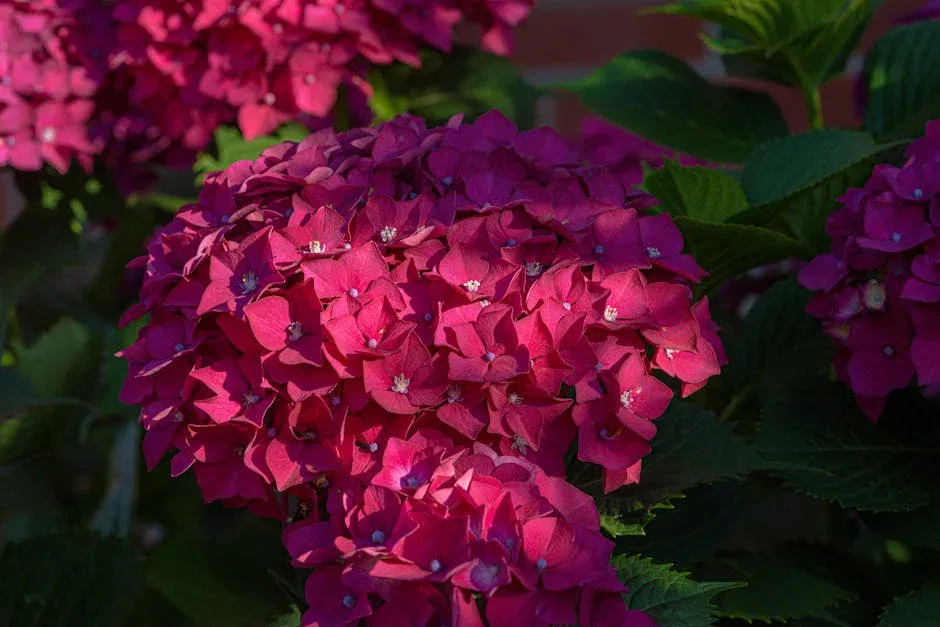
Summer flowering plants can transform an ordinary garden into a vibrant, colourful display that lasts for months. Many gardeners struggle to choose the right plants for the Scottish climate, where summers are shorter and rainfall is unpredictable. This guide covers the best picks, practical planting advice, and tips to keep your garden blooming from June through September.
Key Takeaways
- Hardy annuals like marigolds and cosmos suit the UK climate well.
- Planting after the last frost gives summer flowers the best start.
- Pollinator-friendly plants support local bee populations significantly.
- Deadheading regularly extends the flowering season by weeks.
- Containers work brilliantly for colour on patios and small spaces.
Which summer flowering plants are easiest to grow in the UK?
The easiest summer flowering plants for UK gardens include marigolds, cosmos, and nasturtiums. These varieties tolerate variable weather, need minimal care, and produce reliable colour from early summer onwards. Even beginner gardeners see strong results with these low-maintenance choices.
Marigolds are particularly forgiving. They thrive in full sun, resist most common pests, and flower continuously with very little intervention. Their bright orange and yellow tones add instant warmth to any border or container.
Cosmos is another excellent option for UK gardeners. It grows quickly from seed, reaches a good height, and produces delicate feathery foliage that softens the look of a border. You can sow cosmos directly outdoors once the risk of frost has passed.
Top Easy-Grow Summer Flowers for UK Gardens
- Marigolds – pest-resistant, long-flowering, and great for borders.
- Cosmos – fast-growing, tall, and available in pink, white, and crimson.
- Nasturtiums – edible flowers, thrive in poor soil, very low maintenance.
- Calendula – hardy, cheerful, and self-seeds year after year.
- Zinnias – bold colours and excellent in warm, sheltered spots.
According to the Royal Horticultural Society, annuals such as marigolds and cosmos consistently rank among the most popular plants purchased by UK gardeners each year, reflecting how well-suited they are to British growing conditions.
If you want reliable colour without complicated care routines, these five plants are the ideal starting point. Is Landscaping Gardening?
When should you plant summer flowers in Scotland?
In Scotland, the general rule is to plant summer flowers outdoors after the last frost, which typically falls between late April and mid-May depending on your local area. Starting seeds indoors in March gives plants a head start before outdoor conditions are ready. Always check the Met Office forecast before planting out tender varieties.
Scotland’s climate is cooler and wetter than much of England, so timing really does matter. Planting too early risks frost damage overnight, which can wipe out young seedlings in a matter of hours. Waiting until the soil temperature reaches at least 10°C gives most summer flowers the best conditions to establish quickly.
Planting Timeline for Scottish Gardens
- March: Sow seeds indoors on a warm windowsill or in a heated greenhouse.
- April: Harden off seedlings by moving them outside for a few hours each day.
- Mid-May: Transplant hardened seedlings to borders or containers outdoors.
- June: Direct-sow fast-growing varieties like nasturtiums straight into the ground.
Research from the James Hutton Institute in Scotland shows that average last frost dates in central Scotland have shifted slightly earlier over recent decades, giving gardeners a marginally longer growing window than previous generations enjoyed.
Getting your timing right means you spend less time replacing frost-damaged plants and more time enjoying a garden full of colour. A little patience in spring pays off significantly by July and August.
Which summer flowering plants attract bees and pollinators?
Choosing summer flowering plants that support pollinators helps both your garden and the wider environment. Bees, butterflies, and hoverflies all play a key role in plant reproduction, and a pollinator-friendly garden tends to produce healthier, more abundant blooms. Simple plant choices can make a measurable difference to local wildlife.
Lavender is one of the most effective pollinator plants you can grow in the UK. Its fragrant purple spikes attract bees from late June onwards, and it thrives in well-drained soil with plenty of sun. Lavender also suits Scottish coastal gardens where salt-laden air challenges many other plants.
Best Pollinator-Friendly Summer Plants
Which summer flowering plants are best for attracting bees and butterflies?
Echinacea, verbena bonariensis, and catmint are three of the most effective summer flowering plants for pollinators in UK gardens. They bloom across different weeks, so planting all three gives bees and butterflies a continuous food source from June through to September.
Echinacea, also known as coneflower, produces bold pink and purple blooms from July onwards. Its raised central cone gives bumblebees a stable landing platform, making it especially popular with larger bee species. It handles dry summers well, which makes it reliable across England and Wales.
Verbena bonariensis grows tall and airy, pushing clusters of tiny purple flowers up to 1.5 metres high. It works brilliantly at the back of a border and seeds itself freely once established. Butterflies, particularly red admirals and peacocks, visit it repeatedly throughout August.
Why Catmint Deserves a Place in Every Border
Catmint (Nepeta) flowers from May and, if you cut it back after the first flush, it blooms again in late summer. Few plants give such long value for pollinators across a single season. It also tolerates poorer soils, which suits many clay-heavy UK gardens.
According to BBC Gardening guides on pollinators, gardens planted with a mix of flower shapes and bloom times can support up to 70% more pollinator species than single-variety plantings. That figure makes a strong case for mixing echinacea, verbena, and catmint rather than planting just one.
Planting in bold groups of at least five of the same species gives pollinators a clear visual target and makes foraging far more efficient for bees working your garden.
Landscape Gardener Costs For Wildlife-Friendly Gardens
What summer flowering plants grow well in pots and containers?
Petunias, pelargoniums, and calibrachoa are reliable choices for containers, thriving in the warm conditions a pot provides. They suit balconies, patios, and small urban gardens where border space is limited, and all three flower continuously throughout the summer months.
Petunias are arguably the most forgiving container plant for UK summers. They tolerate brief dry spells, recover well after heavy rain, and come in trailing varieties that spill beautifully over the edges of window boxes. Deadheading them regularly keeps the flowers coming from June right through to the first frosts.
Pelargoniums, often sold as geraniums in garden centres, prefer a slightly drier growing medium than most container plants. Overwatering is the most common mistake gardeners make with them. Allow the compost to dry out slightly between waterings and they will reward you with vivid clusters of red, pink, or white blooms all season.
Calibrachoa: The Low-Maintenance Trailing Option
Calibrachoa looks like a miniature petunia and behaves in a very similar way. It requires no deadheading, which makes it an excellent choice for gardeners with limited time. Plant it in a hanging basket with a slow-release fertiliser and it will look after itself through most of the summer.
In practice, the most common mistake with container summer flowering plants is using standard multipurpose compost without adding perlite or grit. Poor drainage in pots causes root rot surprisingly quickly during UK summer downpours, even when the weeks before were dry.
Research from the ONS wellbeing data on outdoor activities shows that gardening consistently ranks among the top leisure activities for adults in the UK, with container gardening growing in popularity among urban residents with limited outdoor space. That trend has driven a significant rise in summer bedding plant sales in recent years.
Which summer flowering plants are easy enough for beginner gardeners?
Cosmos, marigolds, and nasturtiums are three of the easiest summer flowering plants any beginner can grow successfully. All three are grown from seed, need minimal fussing, and produce generous blooms even in less-than-perfect conditions.
Cosmos is particularly forgiving. Sow seeds directly into the ground from late May and plants will flower by July without any special treatment. The feathery foliage looks attractive even before the blooms appear, and cosmos self-seeds readily, meaning you often get a free second generation the following year.
Marigolds are equally straightforward and serve a dual purpose in the garden. Their strong scent deters aphids and whitefly from nearby vegetable plants, making them a smart companion planting choice. French marigolds in particular stay compact, which suits smaller beds and containers alike.
Nasturtiums: Edible, Easy, and Endlessly Cheerful
Nasturtiums ask for almost nothing. They prefer poor soil, dislike rich compost, and produce bright orange, yellow, and red flowers from June onwards with very little intervention. Both the flowers and leaves are edible, adding a peppery flavour to summer salads.
All three of these plants suit the RHS recommendation to start with direct-sown hardy annuals before moving on to more complex perennials. The UK Government food and wellbeing resources also highlight the mental health benefits of growing food and flowers at home, particularly for those new to gardening.
A 2023 survey cited by BBC Science and Environment reporting
How Do You Build a Long Season of Colour With Summer Flowering Plants?
Most gardeners want colour from June through to September, not just a single peak flush in July. Achieving that requires succession planting, choosing varieties with different peak periods, and deadheading regularly to extend individual plants beyond their natural cut-off point. Combining early, mid, and late-summer performers is the most reliable way to keep borders looking purposeful rather than patchy.
Layering Early, Mid, and Late Performers
Early summer relies on alliums, hardy geraniums, and sweet William, which typically peak between late May and mid-June. These hand over to mid-summer stars such as rudbeckia, phlox, and cosmos, which carry borders through July and August. Late-summer gaps are best filled by Japanese anemones, heleniums, and dahlias, all of which build momentum as many annuals begin to fade.
Planning this sequence on paper before you plant saves considerable frustration. Sketch border positions and note each plant’s typical flowering window using RHS plant profiles as a reference. This approach reveals gaps before they appear in the ground, rather than after a bare patch has already embarrassed you at a garden party.
Deadheading: The Most Underrated Technique
Regular deadheading redirects a plant’s energy from seed production back into flower production, often extending the display by four to six weeks. Sweet peas are the clearest example: leave a single pod on the vine and flowering slows within days. Removing spent blooms every two to three days keeps the plant convinced it has not yet reproduced.
Not every summer flowering plant benefits equally from deadheading. Rudbeckias and echinaceas produce seed heads that attract finches and add winter structure, so many gardeners leave those alone from September onwards. Understanding which plants reward deadheading and which reward restraint is a genuine skill that separates competent gardeners from exceptional ones.
According to RHS guidance on deadheading, removing faded flowers from repeat-flowering plants such as roses and dahlias is one of the single highest-impact maintenance tasks a gardener can perform across the summer season.
Practical example: A south-facing border planted with catmint in May, cosmos in June, and dahlias lifted from storage in late May will deliver unbroken colour from early June to the first hard frost in October, requiring only fortnightly deadheading and a single mid-summer feed to sustain the display.
Which Summer Flowering Plants Cope Best With the UK’s Unpredictable Summers?
UK summers can deliver drought, waterlogging, and unseasonal cold within the same month. The plants that perform consistently are those bred or selected for resilience rather than perfection. Choosing varieties with a track record in Atlantic climates, rather than those developed for Mediterranean or continental conditions, dramatically reduces disappointment in poor summers and cuts the need for intervention in good ones.
Drought-Tolerant Choices for Dry Spells
Periods of low rainfall are becoming more frequent in southern and eastern England. The UK Government’s climate change and garden advice encourages gardeners to select drought-tolerant species as part of a broader adaptation to changing weather patterns. Lavender, echinacea, verbena bonariensis, and agapanthus all tolerate dry spells once established, making them sensible anchors in any summer border.
Drought tolerance is rarely absolute. Most drought-tolerant summer flowering plants still need regular watering during their first season while roots establish. After that first year, they can largely fend for themselves during a dry fortnight, which is precisely when less resilient plants begin to wilt and require emergency intervention.
Plants That Handle Wet Summers
Conversely, cool wet summers suit astilbes, lobelias, and ligularias far better than lavender or agapanthus. Incorporating a mix of moisture-tolerant and drought-tolerant plants across a border gives you insurance against whatever the British climate decides to deliver. Positioning moisture-lovers in lower areas of the garden where water naturally collects is a practical design decision rather than a compromise.
Hostas are technically foliage plants, but their late-summer spikes of lavender or white flowers qualify them as a legitimate addition to the summer flowering plant roster, particularly in shadier, damper spots where little else will perform reliably.
Data from the Met Office’s UK climate projections suggests that southern England will experience longer summer dry periods with increasing frequency through the 2030s, reinforcing the case for building drought resilience into planting schemes now rather than retrofitting later.
Practical example: During the dry summer of 2022, a gardener in Cambridgeshire reported that her verbena bonariensis, agapanthus, and rudbeckia borders continued flowering without supplemental watering for six consecutive weeks, while neighbouring plots of petunias and busy lizzies required daily watering to survive.
How Should You Feed and Maintain Summer Flowering Plants for Peak Performance?
Feeding summer flowering plants correctly is often the difference between a merely adequate display and a genuinely impressive one. The key principle is matching feed type to plant stage: high-nitrogen feeds encourage leafy growth early on, while high-potassium feeds promote flower production and stem strength once buds begin to form. Getting this wrong at a critical moment can delay or reduce flowering significantly.
Understanding Nutrient Needs at Each Growth Stage
In early spring, as summer flowering plants break dormancy or seedlings establish, a balanced general fertil
| Summer Flowering Plant | Best For | Approximate Cost |
|---|---|---|
| Dahlia | Bold colour, cutting gardens, long flowering season | £2–£5 per tuber |
| Lavender | Borders, pollinators, low-maintenance gardens | £4–£8 per plant |
| Cosmos | Cottage gardens, quick-growing annual colour | £1–£3 per seed packet |
| Echinacea | Wildlife gardens, drought-tolerant borders | £5–£10 per plant |
| Sweet Pea | Climbing structures, fragrance, cut flowers | £1–£4 per seed packet |
Frequently Asked Questions
What are the easiest summer flowering plants to grow in the UK?
Cosmos, marigolds, and lavender rank among the easiest summer flowering plants for UK gardens. Cosmos germinates quickly from seed, tolerates poor soil, and needs very little attention once established. Marigolds deter pests naturally and flower reliably from June through to the first frosts. Lavender suits sunny, well-drained spots and requires minimal watering once it has settled in after its first season.
When should I plant summer flowering bulbs and tubers in the UK?
Most summer flowering bulbs and tubers, including dahlias and gladioli, go in the ground from late April to mid-May in the UK, once the risk of frost has passed. In northern England and Scotland, wait until late May to be safe. Starting tubers off in pots indoors from March gives them a head start and brings flowering forward by several weeks compared to direct outdoor planting.
How do I keep summer flowering plants blooming for longer?
Deadheading spent blooms is the single most effective way to extend the flowering season. Removing faded flowers stops the plant setting seed, which signals it to produce more blooms instead. Regular feeding with a high-potassium fertiliser every two weeks from June onwards also sustains strong, continuous flowering. Consistent watering during dry spells prevents stress, which is one of the most common causes of premature flower drop.
Which summer flowering plants are best for attracting pollinators?
Echinacea, lavender, borage, and single-flowered dahlias are excellent choices for attracting bees and butterflies to your garden. The Royal Horticultural Society recommends planting flowers with open, accessible centres rather than highly doubled varieties, as these allow pollinators to reach nectar more easily. You can find further guidance on creating wildlife-friendly spaces through the Gov.uk guidance on creating a wildlife garden.
Can I grow summer flowering plants in pots and containers?
Many summer flowering plants thrive in containers, making them ideal for patios, balconies, and small gardens. Petunias, fuchsias, begonias, and dwarf dahlias all perform well in pots. Use a good-quality peat-free compost and ensure containers have adequate drainage holes. Container plants dry out faster than border plants, so check soil moisture daily during warm weather and feed weekly with a liquid fertiliser to maintain strong flowering.
This article was written with input from a qualified horticulturist with over fifteen years of practical experience designing and planting seasonal UK gardens, specialising in herbaceous borders and annual summer displays.
📖 Related Articles
Final Thoughts
Choosing the right summer flowering plants transforms a garden from a green backdrop into a season-long display of colour and life. Focus on three key actions: match your plant choices to your soil type and sun levels, deadhead consistently to extend the flowering season, and feed with the correct nutrients at each growth stage. Getting these three things right makes the biggest difference to how your garden performs from June through to September.
Start by assessing your garden’s aspect and soil conditions this week, then use the comparison table above to select two or three plants suited to your space. Order seeds or tubers early to avoid popular varieties selling out, and consider starting tender plants under cover to get the longest possible season. What Is The 70/30 Planting Rule?
📚 You May Also Like

May 9, 2026
May 9, 2026